Author: Singapore Ang Bao Rates Team

  • Domestic Helper Ang Bao Guide Singapore: How Much to Give (With Real Examples)

    Domestic Helper Ang Bao Guide Singapore: How Much to Give (With Real Examples)

    In Singapore, few relationships are as quietly important — and often misunderstood — as the one between a household and its domestic helper. It’s not just an employment arrangement. Over time, it becomes something more layered. Trust builds. Routines settle. A helper becomes part of the everyday rhythm of the home.

    So when festive seasons or special occasions come around, many employers pause and wonder:

    Should I give ang bao? And how much is appropriate?

    Unlike wedding ang bao, there’s no table rate, no published benchmark tied to a venue. And unlike Chinese New Year packets for children, the expectations here aren’t widely discussed in public.

    Still, there are patterns. Cultural instincts, social norms, and lived experiences all shape what people typically give. Once you understand those, the question becomes much easier to navigate.


    Is It Expected to Give Ang Bao to Domestic Helpers?

    The short answer is yes — but not in a rigid, obligatory way.

    In Singapore, giving ang bao to domestic helpers is widely seen as a gesture of appreciation rather than a strict cultural duty. It’s especially common during Chinese New Year, but it can also extend to other moments like birthdays, contract renewals, or festive occasions such as Hari Raya or Christmas.

    The key idea is simple: the ang bao is a way of saying thank you.

    Not for a single day’s work, but for the ongoing effort that often goes unnoticed — caring for children, supporting elderly family members, managing the home, and keeping daily life running smoothly.


    Typical Ang Bao Amounts in Singapore

    While there’s no fixed rule, several widely cited ranges give a realistic sense of what people actually give.

    For Chinese New Year, most guides suggest:

    • Around $20 to $80 as a common range
    • Some households go slightly higher, especially for long-term helpers

    In more casual or community discussions, people often mention:

    • $20 to $100, depending on length of service and relationship

    For birthdays or special occasions, anecdotal norms often fall around:

    • $50 as a typical amount, sometimes paired with a cake or small celebration

    These numbers aren’t strict benchmarks. They’re more like social reference points — a way to understand what feels reasonable in Singapore today.


    What Actually Determines the Amount

    If you’re trying to decide how much to give, the amount usually comes down to a few key factors.

    1. Length of Employment

    This is often the biggest influence.

    A helper who has been with your family for several years will naturally receive more than someone who just started a few months ago. Longevity signals trust, familiarity, and contribution over time.

    For example:

    • Less than 6 months: lower end of the range
    • 1–3 years: mid-range
    • 3+ years: higher or more generous ang bao

    It’s not a formula, but people instinctively adjust based on how long the relationship has lasted.


    2. Nature of the Relationship

    Some households maintain a strictly professional dynamic. Others develop a more familial bond over time.

    If your helper has played a significant role in your family — raising your child, caring for elderly parents, or supporting major life transitions — the ang bao often reflects that.

    In these cases, the gesture becomes more personal than transactional.


    3. Type of Occasion

    Not all ang bao are equal.

    Chinese New Year tends to be the most common and expected occasion. It’s tied to tradition and renewal, making it a natural moment for giving.

    Other occasions vary:

    • Birthday: usually smaller, more personal
    • Festive holidays (Hari Raya, Christmas): symbolic and thoughtful
    • Contract renewal or milestone: sometimes more generous

    The occasion helps set the tone for the amount.


    4. Your Own Financial Comfort

    This is the factor people often hesitate to acknowledge, but it matters.

    Ang bao is not meant to create financial strain. Most etiquette guides emphasize giving within your means, even for close relationships

    A smaller, sincere amount given comfortably is always better than a larger one given under pressure.


    A Practical Breakdown: What Most People Give

    To make this more concrete, here’s how ang bao amounts typically play out in Singapore households.

    New helper (less than a year)
    Around $20 to $50
    A simple gesture of appreciation without overstepping

    Mid-term helper (1–3 years)
    Around $50 to $80
    Reflects growing trust and contribution

    Long-term helper (3+ years or very close relationship)
    $80 to $150 or more
    Often paired with other gestures like gifts or bonuses

    These are not rules. They’re patterns that show up repeatedly in real-life practice.


    Ang Bao vs Bonus — Are They the Same?

    This is an important distinction.

    Ang bao is typically symbolic and festive. It’s tied to occasions and carries cultural meaning.

    A bonus, on the other hand, is compensation-based. It may be tied to performance, contract renewal, or year-end appreciation.

    Some employers give both. For example:

    • A year-end bonus (e.g. one month salary)
    • A separate Chinese New Year ang bao

    The two serve different purposes, even if they sometimes overlap.


    Should You Give More Instead of a Bonus?

    Not necessarily.

    In most households, ang bao is not a substitute for fair pay or bonuses. It’s an additional gesture, not a replacement.

    If your helper has been with you long-term, many employers prefer to maintain both:

    • A structured bonus for work
    • A smaller ang bao for cultural or festive meaning

    This keeps expectations clear and avoids confusion.


    The Cultural Meaning Behind the Gesture

    In Chinese tradition, ang bao represents more than money.

    It symbolizes:

    • Prosperity
    • Good fortune
    • Blessings for the year ahead

    Giving ang bao to a domestic helper extends that symbolism beyond family lines. It acknowledges that this person, though not related by blood, plays a meaningful role in the household.

    There’s also an element of dignity in the gesture.

    Unlike a generic gift, a red packet allows the recipient to decide how to use the money. It respects personal choice while still conveying appreciation.


    Small Details That Matter

    Sometimes it’s not the amount that leaves the strongest impression, but how the ang bao is given.

    A few small touches make a difference:

    • Give it in person when possible
    • Offer a simple greeting or message of thanks
    • Use a clean, new red packet

    These details reinforce the meaning behind the gesture.

    Even something as simple as saying, “Thank you for taking care of the family this year,” can make the moment feel genuine.


    When You Might Give More Than Usual

    There are certain situations where employers choose to be more generous.

    If your helper went through a particularly demanding period, such as caring for a newborn or managing multiple responsibilities, a higher ang bao may feel appropriate.

    If your family experienced a difficult year and your helper provided strong support, the gesture can reflect that gratitude.

    And sometimes, generosity simply comes from appreciation rather than obligation.


    What Domestic Helpers Actually Value

    While money is always appreciated, many helpers value something else just as much: recognition.

    Being acknowledged, thanked, and treated with respect often carries more emotional weight than the exact amount in the envelope.

    In some households, ang bao is paired with:

    • A day off
    • A small celebration
    • A meal together
    • A thoughtful gift

    These gestures reinforce that the relationship goes beyond transactions.


    A Simple Way to Decide

    If you’re unsure how much to give, keep it straightforward.

    Think about how long your helper has been with you. Consider your relationship and what they’ve contributed. Choose an amount that feels comfortable and sincere.

    That’s enough. There’s no need to overcalculate or compare with others.


    Final Thoughts

    Giving ang bao to a domestic helper in Singapore sits somewhere between tradition and personal judgment.

    There are general ranges, yes. There are social patterns. But there’s no fixed formula.

    At its core, the gesture is about appreciation.

    It acknowledges the invisible work that keeps a household running. It recognizes trust, effort, and presence over time.

    So whether you give $30 or $100, what matters most isn’t the number, but the intention behind it.
  • Inflation vs Ang Bao Rates Over the Years: Why Wedding Red Packets Keep Rising in Singapore

    Inflation vs Ang Bao Rates Over the Years: Why Wedding Red Packets Keep Rising in Singapore

    There’s a quiet moment before every wedding where many Singaporeans do the same thing. They pause, think about the venue, maybe search for a rate guide, and then mentally compare today’s numbers to what they used to give a few years ago.

    And almost always, the same thought surfaces.

    Why do ang bao rates feel so much higher now?

    It’s not just your imagination. Over the years, ang bao rates in Singapore have steadily climbed, and the reasons behind it tell a larger story about inflation, rising lifestyle costs, and how social expectations evolve alongside them.

    Understanding this shift helps take some of the pressure off. Because once you see how ang bao rates move in tandem with broader economic trends, the numbers start to make more sense.


    How Ang Bao Became Linked to Costs

    Traditionally, ang bao was never meant to be calculated so precisely.

    In Chinese culture, red packets symbolized blessings. The amount inside mattered less than the gesture itself. Numbers were often chosen for their meaning, not their value. Giving $8 or $18 was about prosperity, not purchasing power.

    But Singapore weddings developed in a very specific way.

    Banquet-style weddings became the norm, especially in hotels and large restaurants. Each table came with a fixed cost, and guests began to align their ang bao with what the couple was paying per seat.

    Over time, this turned into an informal system. People weren’t just giving blessings. They were also, in a sense, contributing to the cost of the celebration.

    And once ang bao became tied to real prices, inflation naturally entered the picture.


    A Look Back: Ang Bao Rates Then vs Now

    If you compare ang bao rates across the past decade or two, the shift is clear.

    In the early 2000s, a hotel wedding dinner might cost around $600 to $800 per table. That worked out to roughly $60 to $80 per guest. Ang bao amounts reflected that.

    By the 2010s, table prices had risen significantly. A mid-range hotel might charge $1,200 to $1,800 per table, pushing ang bao expectations into the $120 to $180 range.

    Today, it’s not uncommon for premium venues to charge $2,800 to $3,500 or more per table. That translates into ang bao rates of $280 to $350 per guest for dinner banquets.

    The increase hasn’t been sudden. It’s been gradual, almost subtle. But over time, it has added up.


    Why Wedding Costs Keep Rising

    To understand ang bao inflation, you have to look at what’s happening behind the scenes.

    Weddings today are very different from what they were a generation ago.

    Hotel venues have become more sophisticated, with elaborate ballroom setups, curated menus, and higher service standards. Couples often invest in lighting, stage design, photography teams, and live entertainment.

    Food costs have also gone up. Ingredients, labor, and logistics all contribute to higher banquet pricing.

    Then there’s the broader economic environment. Inflation affects everything, from rent to wages to utilities. Hotels and restaurants adjust their pricing accordingly, and those increases eventually show up in wedding packages.

    Guests don’t see the breakdown, but they feel the impact through ang bao expectations.


    The Psychology of “Covering Your Seat”

    One of the most interesting aspects of ang bao culture in Singapore is the idea of “covering your seat.”

    It’s not a formal rule, but it’s widely understood. Guests try to give an amount that roughly matches what the couple is paying per head.

    This creates a kind of feedback loop.

    As wedding costs rise, ang bao rates follow. As ang bao rates rise, people begin to accept higher numbers as normal. Over time, what once felt generous becomes standard.

    This is why someone who attended weddings ten years ago might feel surprised by today’s expectations. The baseline has shifted.


    Inflation vs Social Expectations

    Here’s where things get more nuanced.

    Not all increases in ang bao rates are purely economic. Some of it is driven by social perception.

    In Singapore, weddings are often seen as important life milestones. Guests want to show respect, appreciation, and support. Giving too little can feel uncomfortable, even if there’s no explicit judgment.

    At the same time, online ang bao rate guides have made comparisons easier. People can quickly check what others are giving at a particular venue, which reinforces shared expectations.

    So while inflation raises the floor, social norms sometimes push the ceiling higher.


    Are Ang Bao Rates Rising Faster Than Inflation?

    This is a question many people quietly wonder about.

    On paper, inflation in Singapore has increased steadily but not dramatically year by year. Yet ang bao rates can feel like they’ve jumped more noticeably.

    Part of this comes from how wedding pricing works.

    Hotels don’t always increase prices in small, gradual steps. Sometimes packages are updated in larger increments, especially when costs shift significantly. When that happens, ang bao expectations adjust quickly.

    There’s also a psychological effect. Crossing certain thresholds, like moving from $200 to $300, feels like a bigger leap than it actually is in percentage terms.

    So while ang bao rates generally track inflation, they can sometimes feel like they’re rising faster.


    The Shift Toward Premium Weddings

    Another factor influencing ang bao rates is the growing popularity of premium venues.

    Couples today often choose locations that offer a full experience. Iconic hotels, waterfront ballrooms, and luxury spaces have become increasingly popular.

    These venues naturally come with higher costs, which translate into higher ang bao expectations.

    At the same time, social media has changed how weddings are perceived. Photos, videos, and curated aesthetics play a larger role, and that can influence how much couples are willing to spend.

    Guests may not consciously think about this, but it shapes the environment in which ang bao rates are set.


    How Guests Are Adapting

    As ang bao rates rise, guests are quietly adjusting their approach.

    Some people stick closely to published rate guides, treating them as a reference point. Others give within a comfortable range rather than aiming for exact figures.

    There’s also a growing awareness that not every wedding needs to follow the same pattern.

    Smaller weddings, café celebrations, and destination events often come with more flexible expectations. In these settings, ang bao becomes less about cost and more about the gesture.

    Even in traditional banquets, many guests now focus on what feels reasonable rather than strictly matching the estimated seat price.


    The Unspoken Truth: It’s Not a Perfect System

    For all its logic, the cost-per-table approach to ang bao isn’t perfect.

    It assumes that every guest should contribute equally, regardless of their relationship with the couple or their financial situation.

    It also creates a subtle pressure that can make weddings feel transactional, even though they’re meant to be celebratory.

    Most people recognize this, even if they don’t say it out loud.

    That’s why, despite all the calculations and guides, ang bao etiquette still leaves room for flexibility. People adjust, interpret, and decide based on their own circumstances.


    A More Balanced Way to Think About Ang Bao

    If ang bao rates have been rising alongside inflation, what does that mean for guests today?

    It means the numbers matter, but they’re not everything.

    The cost-per-table model gives you a useful reference point. It helps you understand what others are likely giving. It prevents you from feeling completely unsure, but it doesn’t need to dictate your final decision.

    A more balanced approach looks like this:

    • Understand the typical range for the venue
    • Consider your relationship with the couple
    • Choose an amount that feels comfortable for you

    That’s enough.


    Where Ang Bao Culture Might Be Headed

    Looking ahead, it’s likely that ang bao rates will continue to rise, especially as wedding costs increase. However, there are encouraging signs of change.

    Some couples are moving toward smaller, more intimate weddings. Others explicitly tell guests not to worry about ang bao amounts. A few are even shifting away from banquet-style celebrations altogether.

    At the same time, digital payments are making ang bao more flexible, which could gradually soften some of the traditional expectations.

    Singapore’s wedding culture has always adapted to changing times. Ang bao practices will likely continue evolving in the same way.


    Final Thoughts

    The rise in ang bao rates over the years isn’t random. It reflects a combination of inflation, changing wedding trends, and evolving social norms.

    What once felt like a simple gesture has become more structured, shaped by the realities of modern celebrations.

    But at its core, the meaning hasn’t changed.

    An ang bao is still a way of sharing in someone’s happiness. It’s still a small, symbolic act that carries goodwill and support.

    So while the numbers may continue to climb, the intention behind them remains the same.

  • How to Calculate Wedding Ang Bao Based on Cost Per Table (Singapore Guide)

    How to Calculate Wedding Ang Bao Based on Cost Per Table (Singapore Guide)

    If you’ve ever stood in front of your wardrobe on the day of a wedding, outfit sorted but envelope still empty, you’ll know the quiet tension that comes with one question.

    How much ang bao should I give?

    In Singapore, this question isn’t random guesswork. There’s a widely understood logic behind it, one that has evolved over time and become almost instinctive for regular wedding guests. People talk about “covering your seat,” about matching hotel rates, about checking guides before the big day.

    But what does that actually mean in practice? How do you go from a banquet price to a number that feels right, not awkward, not excessive?

    This guide breaks it down in a way that feels usable, not formulaic. Because while there is a system behind ang bao calculations, it still leaves room for judgment.


    Why Cost Per Table Matters in Singapore Weddings

    To understand how to calculate ang bao, you need to start with how weddings are structured in Singapore.

    Most Chinese-style weddings here revolve around banquet dinners or lunches, typically held in hotels or restaurants. Each table usually seats 10 guests, and the couple pays a fixed price per table.

    This price can vary widely. A mid-range hotel might charge $1,800 to $2,500 per table. Premium venues can go much higher, sometimes crossing $3,000 or more.

    Over time, a shared social understanding has emerged. Guests contribute ang bao amounts that roughly correspond to the cost of their seat at the table.

    It’s not a strict rule. No one hands you a bill. But the expectation sits quietly in the background, guiding what most people give.


    The Basic Formula: Cost Per Table ÷ Number of Guests

    At its simplest, calculating wedding ang bao looks like this:

    Cost per table ÷ number of guests per table = estimated ang bao per person

    Most tables in Singapore seat 10 people, so the math becomes fairly straightforward.

    If a table costs $2,800, then:

    $2,800 ÷ 10 = $280 per person

    That $280 becomes your reference point.

    It doesn’t mean you must give exactly $280, but it gives you a sense of what’s considered “market rate” for that venue.


    What This Formula Actually Represents

    It’s tempting to think of this as a transaction. You attend the wedding, you pay for your seat.

    But that’s not quite how people see it.

    The formula is more of a guideline than a rulebook. It reflects a shared understanding that weddings are expensive, and guests contribute as part of the celebration.

    At the same time, ang bao is still a gift. It carries cultural meaning, particularly in Chinese traditions where red packets symbolize blessings, prosperity, and goodwill.

    So while the calculation helps anchor your decision, it doesn’t define it entirely.


    Step-by-Step: How to Estimate the Right Amount

    Let’s walk through how most people actually calculate their ang bao in real life.

    Step 1: Identify the Venue

    The venue is your biggest clue.

    Hotels, especially well-known ones, tend to have higher table rates. Restaurants and smaller venues usually fall on the lower end.

    If you’ve attended weddings before, you’ll already have a rough sense of where different venues sit.

    If not, many people quietly check ang bao rate guides online before the event. These guides compile typical ranges based on recent wedding pricing.


    Step 2: Determine Lunch vs Dinner

    This detail matters more than people expect.

    Lunch weddings are generally less expensive than dinner banquets. The menu is lighter, the atmosphere is more relaxed, and the overall cost per table is lower.

    As a result, ang bao amounts for lunch weddings are usually about $30 to $80 lower than dinner equivalents.

    So before calculating anything, make sure you know which one you’re attending.


    Step 3: Estimate the Cost Per Table

    You won’t always know the exact number, but you can make a reasonable estimate based on the venue.

    For example:

    Mid-tier hotel dinner: around $2,000 to $2,500 per table
    Premium hotel dinner: around $2,800 to $3,500 per table
    Restaurant banquet: around $1,200 to $1,800 per table

    Once you have this estimate, divide by 10 to get your baseline.


    Step 4: Adjust Based on Your Relationship

    Here’s where the calculation becomes more human.

    If you’re close to the couple, you might give slightly above the estimated amount. Not because you have to, but because it feels appropriate for the relationship.

    If you’re attending as a colleague or distant acquaintance, staying within or slightly below the estimate is perfectly fine.

    Two people at the same table can give different amounts, and no one will question it.


    Real Example: Putting It All Together

    Let’s say you’re attending a dinner wedding at a premium hotel.

    Estimated table cost: $3,000
    Guests per table: 10

    $3,000 ÷ 10 = $300 per person

    From here, you might decide:

    • $288 if you prefer auspicious numbers
    • $300 for a clean, round amount
    • $320 or more if you’re particularly close to the couple

    The calculation gives you a reference. Your final number reflects your comfort level.


    Why People Rarely Give Exact Calculated Amounts

    You might notice something interesting.

    Even though the math might say $300, many people don’t give exactly $300.

    Instead, they adjust the number slightly.

    Some prefer auspicious figures like $268, $288, or $328 because of the cultural significance of certain numbers, especially the number 8, which is associated with prosperity.

    Others round up to neat figures like $300 or $350 for simplicity.

    The exact number isn’t the point. The intention behind it matters more.


    When the Formula Doesn’t Fully Apply

    There are situations where strict cost-per-table calculations don’t quite fit.

    1. Smaller or Non-Banquet Weddings

    If the wedding isn’t a traditional banquet, the cost-per-table logic becomes less relevant.

    For example, a small café wedding or a casual celebration doesn’t carry the same structure. In these cases, ang bao amounts tend to be more flexible and symbolic.


    2. Plus-Ones

    If you’re bringing a guest, some people choose to give slightly more, while others simply adjust within their comfort range.

    There’s no universal rule here.

    Some guests treat it as covering two seats. Others view the invitation as a single gesture and don’t double the amount.


    3. Financial Comfort

    This is often overlooked but quietly important.

    Not everyone is in the same financial position, and most couples understand that.

    If the calculated amount feels too high, it’s completely acceptable to adjust downward. Ang bao etiquette in Singapore may be structured, but it’s not meant to create stress.


    The Social Reality Behind Ang Bao Calculations

    It’s worth saying this plainly.

    Most couples are not sitting down after the wedding and auditing each envelope against the banquet cost.

    They may have a general sense of whether guests gave within the expected range, but the focus of the day is rarely on accounting.

    What people remember instead are conversations, laughter, moments on stage, and the feeling of being surrounded by people who matter.

    The ang bao supports the celebration, but it doesn’t define it.


    A Simple Rule to Keep in Mind

    If all the numbers start to feel overwhelming, simplify the process.

    Estimate the venue range
    Adjust for lunch or dinner
    Choose an amount that feels reasonable for your relationship

    That’s enough. There’s no need to chase perfect accuracy.


    Final Thoughts

    The idea of calculating wedding ang bao based on cost per table has become part of Singapore’s social fabric. It offers a useful framework, especially in a landscape where wedding costs vary so widely.

    But it’s still just that, a framework.

    Behind the numbers, the gesture remains the same. You’re contributing to a celebration, acknowledging a milestone, and offering your blessings to a couple starting a new chapter.

    So use the formula if it helps. Let it guide your thinking.

    Then set it aside, pick a number that feels right, and enjoy the wedding for what it is.

  • Can You Give Ang Bao via Bank Transfer? A Singapore Etiquette Guide

    Can You Give Ang Bao via Bank Transfer? A Singapore Etiquette Guide

    There was a time when giving ang bao felt almost ceremonial. You’d slip crisp notes into a red envelope, maybe take a second to smooth the edges, then pass it over with both hands. Weddings, birthdays, Chinese New Year visits, housewarmings — the ritual rarely changed.

    These days, things look a little different. Invitations arrive through WhatsApp. Seating charts are digital. And somewhere along the way, the question quietly emerged.

    Can I just transfer the ang bao instead?

    In Singapore, where cashless payments are second nature and apps move money in seconds, the answer is increasingly yes. But like most etiquette questions, the real answer sits somewhere between what’s convenient and what still feels right.


    The Short Answer: Yes, But With Context

    You can give ang bao via bank transfer in Singapore, and in many situations, it’s perfectly acceptable.

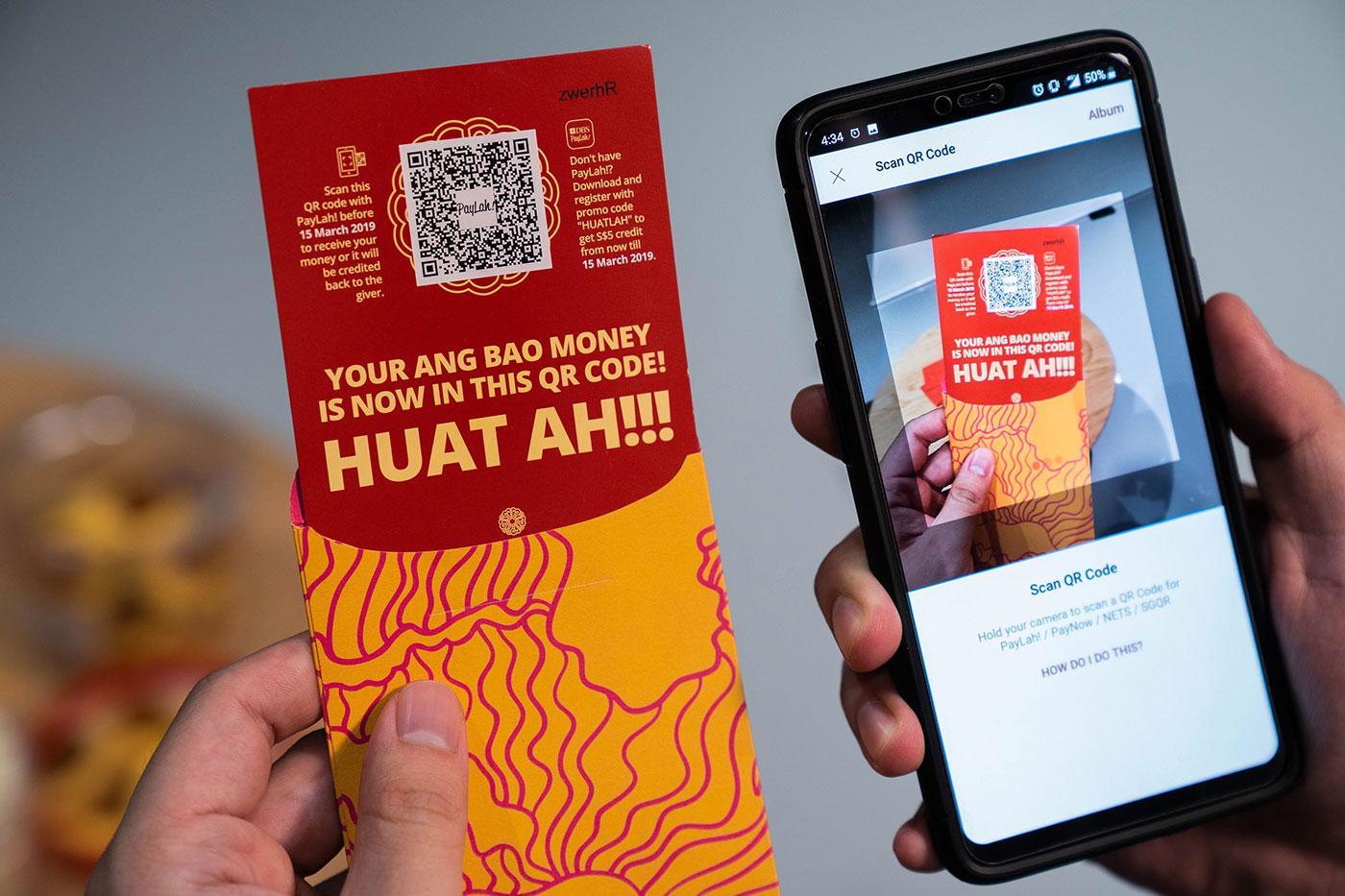
    Digital payments have become part of everyday life. Platforms like PayNow make it easy to send money instantly using just a phone number. For younger couples especially, receiving ang bao this way feels natural.

    But acceptance doesn’t always mean preference.

    The idea of ang bao is tied to more than the money itself. There’s a symbolic layer that still matters to many people, particularly in more traditional settings.

    So while bank transfers are widely accepted, how you give — and when — still carries meaning.


    Why Physical Ang Bao Still Feels Differen

    A physical ang bao isn’t just a container for cash. It’s part of the gesture.

    The red envelope represents luck, prosperity, and blessings. Passing it to someone, especially during a wedding or celebration, carries a sense of occasion. There’s a small moment of acknowledgment. A quiet exchange that feels complete.

    When you switch to a bank transfer, that tactile experience disappears.

    You’re still giving the same amount, but the delivery becomes invisible. No envelope, no exchange, no brief interaction that marks the act.

    For some people, especially older generations, that difference matters more than expected.


    When Bank Transfer Is Perfectly Acceptable

    Despite the emotional weight of tradition, there are many situations where digital ang bao feels entirely appropriate.

    1. When the Couple Requests It

    This is becoming increasingly common.

    Some wedding invitations now include PayNow numbers or QR codes. Others mention that guests can transfer their ang bao directly.

    In these cases, the couple has already set the tone. A bank transfer isn’t just acceptable, it’s preferred.

    It simplifies logistics and reduces the need to manage physical envelopes on the day itself.


    2. When You Can’t Attend the Event

    If you’re unable to attend a wedding, birthday, or housewarming, sending ang bao via bank transfer is one of the easiest ways to still participate.

    It allows you to send your blessings without needing to pass the envelope through someone else or arrange a meetup later.

    Many people pair this with a message like:

    “Sorry I can’t make it, but sending my ang bao and wishing you both all the best.”

    It feels direct, practical, and thoughtful.


    3. For Close Friends Who Prefer Convenience

    Among close friends, formality tends to relax.

    If you know the couple well and they’re comfortable with digital payments, sending ang bao via bank transfer feels natural. In fact, many people in Singapore already split bills, pay rent, or settle expenses this way.

    In these circles, convenience often outweighs tradition.


    4. For Casual or Smaller Celebrations

    Not every event carries the same level of ceremony.

    For first birthday parties, housewarmings, or informal gatherings, digital ang bao is widely accepted. These events tend to be more relaxed, and expectations around presentation are minimal.

    In these cases, the act of giving matters more than how it’s delivered.


    When You Might Want to Stick to a Physical Ang Bao

    There are still situations where a physical red packet feels more appropriate.

    1. Formal Weddings

    Weddings, especially banquet-style ones, still lean heavily on tradition.

    The ang bao table, the signing of the guest book, the physical exchange — these elements are part of the experience. Even in modern Singapore, many couples expect envelopes simply because that’s how weddings have always worked.

    While bank transfers are becoming more common, a physical ang bao still feels more aligned with the occasion.


    2. Older Recipients

    If you’re giving ang bao to parents, relatives, or elders, sticking with a traditional envelope is usually the safer choice.

    For many in older generations, the symbolism of the red packet is deeply ingrained. A digital transfer, while convenient, may feel impersonal.

    In these situations, the form matters as much as the content.


    3. Chinese New Year Gatherings

    During Chinese New Year, ang bao carries strong cultural meaning.

    The act of giving and receiving red packets is tied to ritual, respect, and tradition. Children receive them from elders, and the exchange is often accompanied by greetings and well wishes.

    A bank transfer in this context would feel out of place.


    How to Send Ang Bao via Bank Transfer Properly

    If you decide to go digital, a little thoughtfulness goes a long way.

    Start with the message. Don’t just send money silently. Include a short note that conveys your congratulations or blessings.

    Something simple works:

    “Congratulations on your wedding, wishing you both a lifetime of happiness.”

    Or for a baby:

    “Happy 1st birthday, wishing your little one good health and joy.”

    Next, consider the amount. Many people still choose auspicious numbers even when transferring digitally. Amounts like $88, $100, or $168 remain popular.

    The symbolism carries through, even without the red envelope.


    Does Digital Ang Bao Change the Meaning?

    Not entirely, but it does shift the tone slightly.

    With physical ang bao, the act feels ceremonial. With digital transfers, it becomes more practical. Faster, cleaner, less visible.

    Some might say it loses a bit of warmth. Others would argue it simply reflects how people live today.

    In Singapore, where efficiency often shapes behavior, digital ang bao feels like a natural evolution rather than a disruption.

    Still, meaning doesn’t disappear. It just expresses itself differently.


    A Subtle Social Shift in Singapore

    Over the past few years, attitudes toward ang bao have quietly evolved.

    Younger couples tend to prioritize convenience. They’re comfortable receiving digital transfers, and some even prefer them. It reduces the need to handle cash, track envelopes, or worry about missing contributions.

    At the same time, traditional expectations haven’t vanished.

    Many people still appreciate the presence of a physical ang bao, especially during milestone events like weddings.

    So what you see today is a blend. Digital and physical methods coexist, and people move between them depending on context.


    The Simple Etiquette Rule

    If you’re unsure what to do, follow this guideline.

    If the host or couple indicates a preference for digital payment, go ahead and transfer.

    If the event is formal or traditional, bring a physical ang bao.

    If you can’t attend, a bank transfer paired with a thoughtful message is perfectly appropriate.

    And if you know the recipient well, trust what you know about their preferences.


    Final Thoughts

    Ang bao has never been just about money. It’s a small gesture carrying a larger meaning — goodwill, celebration, and shared happiness.

    Bank transfers don’t erase that meaning. They simply change the way it’s delivered.

    In Singapore, where tradition and modern life constantly overlap, both forms now exist side by side. Some moments still call for a red envelope. Others feel perfectly fine with a quick transfer on your phone.

    So yes, you can give ang bao via bank transfer. Just remember that the thought behind it still matters.

  • Ang Bao Rate for Marina Bay Sands Wedding: What to Give (Singapore Etiquette Guide)

    Ang Bao Rate for Marina Bay Sands Wedding: What to Give (Singapore Etiquette Guide)

    There’s a certain moment when you open a wedding invitation and immediately know this one is going to be different. The venue name sits there, unmistakable: Marina Bay Sands.

    It carries a kind of quiet weight. You already know the ballroom will be grand, the tables will be dressed to perfection, and the evening will feel more like a formal event than a simple celebration. Then, almost instinctively, another thought follows.

    How much ang bao should I give?

    In Singapore, few venues trigger this question quite like Marina Bay Sands. It’s one of the most iconic wedding locations in the city, and with that reputation comes a shared understanding that ang bao expectations will be on the higher end. Still, the answer isn’t as rigid as many people assume.

    Let’s unpack what people actually give, how the rates work, and what matters beyond the number inside the envelope.


    Why Marina Bay Sands Weddings Are Different

    A wedding at Marina Bay Sands isn’t just about the ceremony or the dinner. It’s an experience.

    The ballrooms are expansive, with high ceilings and polished finishes that feel almost cinematic. Service is tightly choreographed. Courses arrive in sequence, plated with precision. Everything, from lighting to table arrangements, is designed to impress.

    Because of this, the cost per table is significantly higher than many other venues in Singapore. And over time, a kind of informal system has developed where ang bao amounts roughly align with the cost of hosting each guest.

    It’s not written anywhere, but most Singaporeans understand the rhythm of it.


    The Typical Ang Bao Rate for Marina Bay Sands Weddings

    As of recent wedding trends, guests typically give within the following range:

    Lunch weddings: around $180 to $250 per person
    Dinner weddings: around $250 to $350 per person

    These figures reflect what people commonly give rather than a strict rule. They shift slightly depending on the season, the ballroom package, and broader price increases across the wedding industry.

    Dinner banquets tend to command higher rates simply because they are more elaborate. There’s usually a longer program, more courses, and a more formal atmosphere.

    Lunch weddings feel lighter, both in tone and in cost, which is why ang bao amounts are slightly lower.


    Why People Try to “Match the Table Rate”

    If you’ve spent any time looking up ang bao rates, you’ll notice a recurring idea: covering your seat.

    In venues like Marina Bay Sands, this concept becomes more pronounced.

    Each table at a wedding banquet represents a significant cost to the couple. Guests often feel it’s polite to give an amount that at least approximates what the couple is paying per head.

    But here’s where things get interesting.

    Most people don’t actually know the exact table price. What they rely on instead is a shared estimate, shaped by online guides, word of mouth, and past experience. So while the idea of “covering your seat” exists, it’s more of a social guideline than a precise calculation.


    Does Everyone Have to Follow the Same Rate?

    Not really.

    Ang bao in Singapore may look structured from the outside, but in practice it’s still influenced by relationships. Two guests sitting at the same table might give very different amounts, and neither would necessarily be considered rude.

    Here’s how it usually breaks down.


    Close Friends or Immediate Family

    If the couple is someone you’re close to, many people choose to give on the higher end of the range.

    This isn’t just about the venue. It’s about celebrating a meaningful milestone in someone’s life.

    For a Marina Bay Sands dinner wedding, close friends might give closer to $300 or slightly above, depending on their comfort level.


    Colleagues or Casual Friends

    For acquaintances or colleagues, guests often stick closer to the middle of the typical range.

    Somewhere between $250 and $300 for dinner feels appropriate and widely accepted.

    There’s no expectation to stretch beyond what feels reasonable.


    Extended Network or Distant Connections

    If you’re invited out of courtesy or belong to a wider social circle, giving at the lower end of the range is perfectly acceptable.

    Around $250 for dinner or slightly less for lunch is common.

    Again, no one is tracking your exact contribution. The expectation is more about participating in the celebration than meeting a strict threshold.


    Choosing Auspicious Ang Bao Amounts

    Beyond the total amount, the number itself often carries meaning.

    In Chinese culture, numbers associated with prosperity are preferred. The number 8 is especially popular because it sounds like the word for wealth or fortune.

    That’s why you’ll often see amounts like:

    • $268
    • $288
    • $300
    • $328

    Rounded numbers are also common, especially among younger guests who may not follow traditional numerology as closely.

    The intention remains the same. You’re offering a blessing, not submitting a calculated payment.


    What If You Can’t Afford the “Expected” Rate?

    This is a question many people hesitate to ask out loud.

    Marina Bay Sands weddings can feel intimidating, and it’s easy to assume that anything below a certain number might be judged.

    In reality, most couples don’t expect guests to stretch beyond their means.

    If the typical range feels too high, it’s completely acceptable to give an amount you’re comfortable with. What matters is showing up and celebrating the couple.

    A thoughtful message, your presence, and your participation in the day carry far more weight than an extra $20 or $30.


    When You Might Adjust the Amount

    While venue and relationship are the main factors, there are a few smaller considerations that sometimes come into play.

    If you’re bringing a plus-one, you may choose to give slightly more. Some guests treat this as covering two seats, while others simply increase the amount modestly.

    If you were particularly close to the couple during an important period of their life, you might lean toward a more generous ang bao.

    On the other hand, if you’re attending out of obligation or as part of a larger group, staying within the lower end of the range is entirely fine.


    The Emotional Side of Ang Bao Giving

    It’s easy to get caught up in numbers, especially in Singapore where ang bao discussions can feel almost analytical.

    But when you step back, the gesture itself is simple.

    You’re contributing to a celebration. You’re acknowledging a milestone. You’re offering your good wishes for a marriage that’s just beginning.

    At venues like Marina Bay Sands, where everything looks polished and expensive, it’s tempting to think the ang bao matters more than it does.

    It doesn’t.

    Most couples won’t remember the exact amount you gave. They’ll remember who showed up, who laughed during the speeches, who stayed until the end of the night.


    A Practical Way to Decide

    If you’re still unsure, here’s a straightforward way to think about it.

    Check whether the wedding is lunch or dinner.
    Consider how close you are to the couple.
    Choose an amount within the common range that feels comfortable to you.


    Final Thoughts

    A wedding at Marina Bay Sands carries a certain prestige, and with it comes a shared understanding that ang bao amounts will be higher than average.

    Still, etiquette here isn’t as rigid as it might seem.

    The commonly accepted ranges exist as a guide, not a rulebook. They reflect social norms, but they don’t define your sincerity or your relationship with the couple.

    Give what feels appropriate, choose an amount that aligns with your comfort, and focus on being present for the celebration.

    At the end of the night, that’s what the couple will remember.

  • How Much Ang Bao to Give for a 1st Birthday Party in Singapore

    How Much Ang Bao to Give for a 1st Birthday Party in Singapore

    A baby’s first birthday feels different from every other celebration that comes after. It’s not just about cake and photos. It marks a full year of growth, sleepless nights, tiny milestones, and the quiet relief that the hardest early months are behind the parents.

    In Singapore, where traditions and modern lifestyles overlap constantly, first birthday parties have taken on a slightly hybrid identity. Some look like Western-style celebrations with themed decorations and dessert tables. Others carry traces of Chinese customs, where symbolic gestures like ang bao still play a role.

    So when you’re invited to a 1st birthday party, the question naturally comes up: how much ang bao should you give?

    There isn’t a strict formula like there is for weddings, but there are clear social patterns. Once you understand the intent behind the gesture, the numbers become much easier to navigate.


    Is Ang Bao Expected at a 1st Birthday Party?

    The short answer is yes, but with flexibility.

    In Singapore, it is quite common to give ang bao at a baby’s first birthday, especially among Chinese families. The red packet is seen as a blessing for the child’s future, symbolizing prosperity, health, and good fortune.

    That said, it is not a rigid expectation.

    Some guests choose to bring gifts instead. Others combine both, giving a small ang bao along with a toy or baby item. In more modern or Western-style parties, especially among younger parents, gifts may even be more common than red packets.

    So while ang bao is widely accepted, it is not mandatory.


    Why Ang Bao Matters for a Baby’s First Birthday

    In traditional Chinese culture, milestones in a child’s early life carry deep meaning.

    The first month, known as the full-month celebration, marks survival through the most fragile stage of infancy. The first birthday, on the other hand, represents growth, strength, and the beginning of a longer journey ahead.

    Giving ang bao at this stage is less about covering costs and more about offering blessings.

    Unlike weddings, where ang bao sometimes reflects banquet pricing, first birthday ang bao is symbolic. The money is meant to bring good luck to the child, not to offset party expenses.

    Parents often keep these red packets for the child, sometimes saving them in a bank account or keeping them as part of the child’s memory box.


    How Much Ang Bao Should You Give?

    Since there is no fixed rule, the amount you give usually depends on your relationship with the family and the type of celebration.

    Still, there are common ranges that most people in Singapore follow.

    For acquaintances or casual friends

    If you’re attending the party as a colleague, neighbor, or distant acquaintance, a modest amount is perfectly appropriate.

    Most people give between $20 and $50.

    This range feels polite without being excessive, and it reflects the informal nature of many first birthday parties.


    For close friends

    If the parents are good friends, people tend to give slightly more.

    A typical range would be $50 to $100, depending on your closeness and personal comfort.

    At this level, the ang bao feels more meaningful, but it still remains within the spirit of a symbolic gift rather than a formal obligation.


    For family members

    Immediate family members often give more generous amounts.

    Grandparents, uncles, aunts, and godparents may give $100, $168, or even higher, especially if they view the child as an important addition to the family.

    These amounts are often chosen with auspicious numbers in mind, which leads to the next important point.


    Choosing Auspicious Ang Bao Amounts

    In Chinese culture, certain numbers carry positive meanings, and many people take this into account when preparing ang bao.

    Numbers like 8 are associated with wealth and prosperity. That’s why amounts such as $28, $88, or $168 are commonly seen.

    Even numbers are generally preferred, as they symbolize harmony and balance.

    On the other hand, numbers associated with negative meanings, like 4, are often avoided.

    While not everyone follows these rules strictly today, they still influence how many people choose their ang bao amounts.


    Does the Venue Affect the Amount?

    Unlike weddings, the venue rarely determines how much ang bao you should give for a first birthday.

    Whether the party is held at a restaurant, café, function room, or private home, the amount remains largely unchanged.

    This is because first birthday celebrations are not tied to a cost-per-head expectation. Guests are not expected to “cover their seat” in the same way they might at a wedding banquet.

    So even if the party looks elaborate or takes place in a more upscale venue, you don’t need to adjust your ang bao significantly.


    Ang Bao vs Gifts: Which Is Better?

    This is where personal preference comes in.

    Some guests prefer giving ang bao because it’s simple and practical. Parents can use the money for baby essentials, savings, or future expenses.

    Others prefer gifts because they feel more personal.

    Common gift ideas include toys, books, clothing, or baby essentials. Some guests also choose educational items or keepsakes that the child can use as they grow older.

    There’s no right or wrong choice here.

    In fact, many people combine both, giving a small ang bao along with a thoughtful gift. This approach feels balanced and generous without being excessive.


    When You Might Skip Ang Bao

    There are situations where giving ang bao may not feel necessary.

    If the invitation explicitly says “no gifts” or “your presence is enough,” it’s perfectly fine to respect that request.

    If you’re not particularly close to the family, a simple gift or even just attending the party can be enough.

    Some modern parents prefer a minimal approach and may not expect anything from guests at all.

    As always, reading the tone of the invitation helps.


    Cultural Differences Across Singapore

    Singapore’s multicultural environment means that not all families follow the same practices.

    Chinese families are more likely to expect or appreciate ang bao, especially from older relatives.

    Malay and Indian families may lean more toward gift-giving traditions instead of red packets.

    For Western-style birthday parties, especially among expatriates or globally influenced families, gifts are usually the norm.

    Understanding the family’s background can help you decide what feels most appropriate.


    What Parents Actually Appreciate

    While guests often stress about the “correct” amount, most parents are not keeping track.

    A first birthday is often more about celebrating survival through the first year of parenting than anything else. Parents tend to remember who showed up, who shared the moment, and who made the effort.

    A thoughtful message, a kind gesture, or even just your presence can matter more than the amount inside the envelope.


    A Simple Way to Decide

    If you’re unsure what to give, here’s an easy way to think about it:

    • If you’re close to the family, give a slightly more generous ang bao or pair it with a gift.
    • If you’re attending casually, keep the amount modest and symbolic.
    • If the party feels more like a Western-style celebration, a gift may feel more natural.

    And if the invitation suggests no gifts, respect that and simply attend with a warm congratulations.


    Final Thoughts

    Figuring out how much ang bao to give for a 1st birthday party in Singapore doesn’t have to feel complicated.

    There are no strict formulas, no hidden expectations, and no need to overthink the numbers.

    At its core, the ang bao is simply a blessing for the child. It represents good wishes for health, happiness, and a bright future.

    Whether you give $28, $50, or $100, what matters most is the intention behind it.

    Show up, celebrate the milestone, and share in the joy of a child turning one. That’s what the occasion is really about.

  • Housewarming Ang Bao in Singapore: Condo vs HDB — Does It Differ?

    Housewarming Ang Bao in Singapore: Condo vs HDB — Does It Differ?

    Moving into a new home is one of life’s quiet milestones. It doesn’t come with the spectacle of a wedding or the structured traditions of Chinese New Year, yet in Singapore it still carries its own social rituals. When friends or relatives invite you to their housewarming, one question almost always comes up.

    Do you bring an ang bao?

    And if you do, another thought quickly follows: does the type of home matter? Should the amount differ if the host has moved into a condominium rather than an HDB flat?

    It’s a surprisingly common dilemma. Singapore’s housing landscape is unique, and with that uniqueness comes subtle etiquette questions. The short answer is that housewarming ang bao practices are flexible, informal, and shaped more by relationships than by property type.

    Still, there are a few cultural nuances worth understanding.


    Why Housewarmings Exist in the First Place

    Housewarming celebrations have long existed across cultures. Traditionally, they were gatherings where friends and family visited a newly occupied home to offer blessings and good wishes for the household.

    In many parts of Asia, the idea is closely tied to prosperity and harmony. Moving into a new space marks the beginning of a new chapter. Guests come not just to see the home but to symbolically “warm” it with positive energy, laughter, and community.

    In Singapore, housewarmings usually take the form of casual gatherings. Some hosts organize simple meals or buffets. Others host open-house style visits where guests drop by throughout the day.

    The atmosphere tends to be relaxed, somewhere between a dinner party and a celebration. Because of that casual tone, housewarming etiquette is much looser than wedding customs.


    Is Ang Bao Expected at Housewarmings?

    Unlike weddings, ang bao is not strictly expected at housewarming parties in Singapore.

    Many guests simply bring a small gift instead. Others arrive empty-handed but bring their appetite and good company. Both approaches are widely accepted.

    That said, giving ang bao has become increasingly common, particularly among close friends and family members. The red packet functions as a symbolic gesture of prosperity for the new home.

    In Chinese culture, red envelopes represent blessings for luck, wealth, and happiness. Offering one when someone moves into a new house is seen as wishing them financial stability and good fortune in their new space.

    Still, it remains optional rather than obligatory.


    Condo vs HDB: Does It Actually Affect Ang Bao Amounts?

    This is where many people start overthinking the situation.

    Singapore’s housing system often leads people to assume that etiquette should differ depending on whether the new home is an HDB flat or a condominium. Condos are typically more expensive, and some guests wonder if the ang bao amount should reflect that.

    In practice, the type of property almost never determines the ang bao amount.

    Housewarming ang bao is not tied to property value. It’s tied to goodwill.

    Unlike weddings, where ang bao sometimes corresponds to banquet costs, housewarmings have no financial formula attached to them. The host is not paying for your seat in a restaurant or hotel ballroom.

    Because of that, the etiquette remains largely the same regardless of whether the home is an HDB flat, executive apartment, or condominium.


    Why People Assume Condo Housewarmings Require More

    Even though etiquette doesn’t formally change, people still feel social pressure in certain situations.

    When visiting a large condominium unit or a newly renovated luxury home, guests sometimes feel that a slightly more generous ang bao might be appropriate. This feeling usually comes from perception rather than tradition.

    Singapore society is highly aware of housing differences. Condominiums often signal a different price range and lifestyle compared to public housing. That awareness can subtly influence how guests interpret social expectations.

    But culturally speaking, housewarming ang bao was never designed to reflect property price.

    The gesture remains symbolic.


    The Real Factor That Determines Ang Bao Amount

    If there is one thing that truly affects ang bao amounts at housewarmings, it’s your relationship with the host.

    Close friends and family members tend to give more generous envelopes simply because they share a stronger bond. Casual acquaintances may bring small gifts or skip ang bao entirely.

    This pattern appears across all types of homes.

    Whether the new house is an HDB flat in Tampines or a condominium in River Valley, the deciding factor is still the relationship between guest and host.


    Typical Ang Bao Amounts for Housewarming Visits

    Since housewarming ang bao isn’t tied to strict etiquette rules, the amounts tend to be modest.

    Many guests choose auspicious numbers that symbolize luck or prosperity. In Chinese culture, certain numbers carry positive meanings associated with wealth and success.

    Common housewarming ang bao amounts include:

    • $28, symbolizing prosperity and growth
    • $50, a simple and generous gesture
    • $88, representing double fortune and good luck
    • $100, a round number often given by close friends or relatives

    These amounts are meant to express well wishes rather than to cover any cost.


    When Guests Prefer Bringing Gifts Instead

    Some people feel that housewarming gifts are more appropriate than ang bao.

    This approach is especially common among younger Singaporeans, who often prefer practical or decorative items for the home.

    Popular housewarming gifts include kitchen tools, scented candles, plants, tableware, or decorative items that match the host’s style. Practical items like wine glasses or coffee mugs are also common.

    Gifts can feel more personal than cash, especially when they reflect the host’s tastes or lifestyle.

    However, gifts also come with one small risk: duplicates. Many hosts receive multiple sets of similar items during housewarming gatherings.

    This is one reason ang bao has become more popular in recent years. Cash allows homeowners to decide how they want to use the gift.


    Cultural Beliefs Around New Homes

    In Chinese culture, moving into a new house carries symbolic meaning beyond the physical space itself.

    Homes are associated with stability, family harmony, and prosperity. Because of that, guests often bring items believed to attract good fortune.

    Some people bring oranges or pineapples, both of which symbolize wealth in Chinese dialects. Pineapples are especially popular because the Hokkien phrase for pineapple sounds like “prosperity arriving.”

    Others bring food items, desserts, or drinks that can be shared during the gathering.

    These traditions coexist comfortably with ang bao giving, which is simply another way of offering blessings for the home.


    When Ang Bao Is More Common

    While housewarming ang bao is optional, there are certain situations where it appears more frequently.

    One example is when the host is a close relative who has just purchased their first home. Buying property in Singapore is a significant milestone, and family members often celebrate it enthusiastically.

    Another situation involves newly married couples who have just moved into their first home together. Guests sometimes combine housewarming blessings with wedding congratulations.

    In these scenarios, ang bao feels more natural.


    What Hosts Actually Expect

    Interestingly, most hosts don’t expect ang bao at all.

    Housewarming parties are usually organized to share a happy moment with friends and family. People want to show off the new space, introduce guests to the neighborhood, and celebrate the milestone of moving in.

    Guests sometimes worry about etiquette more than hosts do.

    In reality, many homeowners feel awkward receiving envelopes during what they intended to be a casual gathering.

    A sincere “congratulations on your new home” often matters more than any monetary gift.


    Modern Housewarming Etiquette in Singapore

    As Singapore’s social culture evolves, housewarming etiquette has become more relaxed.

    Younger homeowners often prioritize experience over tradition. They may organize informal gatherings with pizza, potluck meals, or casual drinks instead of formal hosting.

    Some couples explicitly tell guests not to bring anything at all.

    Others enjoy receiving gifts or ang bao but don’t attach expectations to them. The overall tone has shifted toward flexibility and comfort rather than strict social rules.


    A Simple Guide to Housewarming Etiquette

    If you’re invited to a housewarming and unsure what to do, the easiest approach is to keep things simple.

    You can bring a small housewarming gift if you want something personal.

    You can give a modest ang bao if you prefer a symbolic blessing.

    Or you can simply attend, enjoy the gathering, and congratulate the host.

    Any of these options would be considered polite in Singapore.


    The Real Meaning Behind the Gesture

    At the heart of housewarming traditions lies something very simple.

    Moving into a new home represents a fresh start. It may be the result of years of saving, planning, or hard work. Inviting people into that space is a way of sharing the moment.

    Guests who attend the celebration become part of the home’s earliest memories.

    Whether you bring ang bao, a small gift, or just good conversation, the gesture carries the same meaning. You’re wishing the host happiness, comfort, and prosperity in the place they now call home.


    Final Thoughts

    So does housewarming ang bao etiquette differ between condos and HDB flats?

    The answer is: not really.

    Despite the assumptions people sometimes make, the type of property rarely determines how much you should give. Housewarming ang bao in Singapore is guided far more by relationships than by real estate values.

    If you choose to give one, keep it symbolic and sincere. If you prefer bringing a small gift instead, that’s equally appropriate.

    And if you simply show up ready to celebrate your friend’s new home, that’s already more than enough.

  • Is Ang Bao Expected for Gender Reveal Parties? A Singapore Etiquette Guide

    Is Ang Bao Expected for Gender Reveal Parties? A Singapore Etiquette Guide

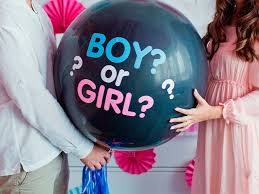
    A few years ago, most people in Singapore had never heard of gender reveal parties. Today, they show up regularly on Instagram feeds and WhatsApp group chats. Balloons burst into pink or blue confetti, cakes hide colored fillings, and friends gather to guess whether the baby on the way will be a boy or a girl.

    But whenever a new celebration becomes popular, etiquette questions follow close behind. In Singapore, the question often comes down to one familiar tradition: the ang bao.

    If you’re invited to a gender reveal party, do you bring a red packet? Is it expected? Or is it completely unnecessary?

    The answer, like many etiquette questions, depends on context. Gender reveal parties sit somewhere between Western-style celebrations and Asian gift traditions, which means expectations aren’t always obvious. Understanding how these events work in Singapore makes it easier to decide what’s appropriate.


    What Is a Gender Reveal Party?

    A gender reveal party is a celebration where expectant parents announce the baby’s gender to friends and family in a creative way.

    The reveal itself is usually the highlight. A balloon may pop with colored powder inside. A cake might be cut open to show pink or blue layers. Sometimes the moment involves confetti cannons, smoke bombs, or playful games.

    The trend began in the United States and gradually spread through social media. In Singapore, it has become popular among younger couples, especially those influenced by Western lifestyle culture.

    Unlike traditional baby showers, gender reveal parties tend to be smaller and more casual. They often take place in cafés, restaurants, or private homes. The focus is less on gifts and more on sharing the excitement of the pregnancy milestone.


    The Short Answer: Ang Bao Is Usually Not Expected

    In most cases, ang bao is not expected at gender reveal parties in Singapore.

    This is the key difference between gender reveals and traditional celebrations like weddings or full-month parties. Weddings have long-established ang bao customs tied to banquet seating and cultural blessings. Gender reveal parties, on the other hand, are relatively new and typically informal.

    Guests usually attend simply to celebrate the parents’ happiness and witness the reveal moment.

    That means arriving empty-handed is completely acceptable.

    Still, cultural habits can influence how people interpret invitations. Some guests feel awkward turning up without bringing something, especially in a society where gifting traditions are deeply ingrained.

    To understand the etiquette fully, it helps to look at how gender reveal celebrations fit into Singapore’s broader culture.


    Why Ang Bao Isn’t Part of Gender Reveal Tradition

    There are several reasons why ang bao isn’t typically associated with gender reveal parties.

    First, the event itself is Western in origin. In Western cultures, gender reveal parties usually revolve around food, games, and the reveal moment. Guests aren’t expected to give money or gifts.

    Second, Singapore already has several established baby-related celebrations. These include the baby shower, the baby’s full-month celebration, and sometimes a first birthday party. Gifts and ang bao tend to appear during those occasions instead.

    Adding ang bao expectations to gender reveal parties would create too many gift-giving milestones around a single pregnancy.

    Most people recognize this and treat the event as a casual gathering rather than a formal celebration.


    Situations Where Guests Might Still Bring Ang Bao

    Even though ang bao isn’t expected, some guests still choose to give one.

    This usually happens in certain social situations.

    1. Close Family Members

    Immediate family members sometimes bring a red packet simply as a gesture of blessing for the baby.

    Grandparents, siblings, and close relatives may view the occasion as an early celebration of the child’s arrival. In Chinese culture, giving money to a baby symbolizes prosperity and good fortune.

    However, even within families, the ang bao amount is typically small and symbolic.


    2. Older Generations Who Follow Traditional Customs

    Guests from older generations sometimes feel uncomfortable attending celebrations empty-handed.

    In these cases, giving ang bao is less about etiquette rules and more about personal habit. Many people grew up in environments where celebrations were closely tied to red packet traditions.

    Rather than showing up without a gift, they may bring a modest envelope simply to convey blessings.


    3. When the Party Is Combined With Another Celebration

    Occasionally, gender reveal parties overlap with other events.

    Some couples combine the reveal with a baby shower or a pregnancy celebration. In those situations, guests may feel more inclined to bring gifts or ang bao because the event has broader meaning.

    If the invitation suggests that the gathering is also a baby shower, then gifts become much more common.


    What Most Guests Actually Bring

    In reality, most people attending gender reveal parties in Singapore bring one of three things.

    Some arrive with a small gift for the baby. Others bring food, desserts, or drinks if the party is held at someone’s home. Many guests simply show up and participate in the celebration.

    None of these choices would be considered rude.

    The parents hosting the event usually care more about sharing the moment than receiving presents.


    If You Want to Give Ang Bao, How Much Is Appropriate?

    If you decide to give ang bao anyway, the amount does not need to be large.

    Since gender reveal parties don’t involve banquet costs or formal traditions, most people keep the amount symbolic.

    Common auspicious amounts include $20, $28, $50, or $88.

    These numbers are considered lucky in Chinese culture and carry positive meanings associated with prosperity and good fortune.

    The goal is simply to offer a blessing for the baby rather than to provide a substantial gift.


    Alternative Gifts That Are Often Appreciated

    Some guests prefer giving small gifts instead of ang bao.

    This approach feels more aligned with the casual nature of gender reveal parties.

    Popular gift ideas include baby clothes, soft toys, storybooks, or practical items like bibs and blankets. Parents often appreciate thoughtful gifts that can be used during the baby’s first year.

    If you’re unsure what to bring, neutral baby items are usually the safest choice. Since the baby’s gender is about to be revealed, guests sometimes choose gifts in neutral colors like white, beige, or pastel tones.

    Another thoughtful option is writing a card with a message for the parents and baby. These notes often become keepsakes that families treasure later on.


    The Role of Baby Showers and Full-Month Celebrations

    Part of the reason gender reveal etiquette feels confusing in Singapore is because several other baby celebrations already exist.

    Traditionally, Chinese families celebrate a baby’s full month, also known as the “满月” celebration. This event marks the baby reaching one month old and historically signaled the child’s survival past the most fragile early stage of life.

    Friends and relatives often give ang bao during the full-month celebration.

    Baby showers, which have Western roots, are also becoming more common. These gatherings usually involve gifts for the baby rather than red packets.

    Because these celebrations already include gifting traditions, many people treat gender reveal parties as the one milestone where gifts are optional.


    How Invitations Can Hint at Expectations

    Sometimes the invitation itself provides subtle clues about whether gifts are expected.

    If the invitation describes the event as a casual gathering, barbecue, or small party, it usually means guests should simply come and enjoy themselves.

    If the event resembles a baby shower with games, gift tables, and decorations centered around the baby, then bringing a gift may feel more appropriate.

    Many modern invitations also include phrases such as “no gifts necessary.” Couples often add this to reassure guests that the celebration is meant to be relaxed.


    Singapore’s Evolving Celebration Culture

    Singapore’s social customs often blend traditional Asian values with modern global trends.

    Gender reveal parties are a good example of this cultural mix. The concept originated overseas, but once it arrived here, people naturally interpreted it through familiar traditions like ang bao.

    Over time, a kind of informal consensus has emerged.

    Gender reveals are treated as joyful gatherings rather than formal ceremonies. Friends come together, take photos, share a meal, and celebrate the growing family.

    The emphasis stays on the moment rather than the gifts.


    What Matters More Than Ang Bao

    When people worry about etiquette, they sometimes forget the real purpose of the event.

    Expectant parents host gender reveal parties because they’re excited. Pregnancy is a meaningful stage of life, and sharing that excitement with loved ones makes the experience more memorable.

    Showing up, cheering during the reveal, and offering sincere congratulations often means far more than any envelope or gift.

    Parents tend to remember the laughter, the photos, and the supportive messages long after the party ends.


    The Simple Etiquette Rule to Remember

    If you’re invited to a gender reveal party in Singapore and wondering about ang bao, keep the rule simple.

    You are not expected to give ang bao.

    If you feel like bringing a small gift or symbolic red packet, that’s a thoughtful gesture but not an obligation.

    Attending the celebration with genuine enthusiasm is already enough.


    Final Thoughts

    Gender reveal parties are still a relatively new addition to Singapore’s celebration culture, which explains why etiquette around them can feel uncertain.

    Fortunately, the expectations are refreshingly relaxed. Unlike weddings or banquet celebrations, there’s no established ang bao formula and no social pressure to calculate the right amount.

    Think of the event as a gathering of friends rather than a formal ceremony.

    Come ready to celebrate, enjoy the moment when the big reveal happens, and share your excitement for the parents-to-be.

    Everything else is optional.

  • What If You Can’t Attend the Wedding? Do You Still Give Ang Bao?

    What If You Can’t Attend the Wedding? Do You Still Give Ang Bao?

    Weddings in Singapore come with a well-known ritual: the ang bao. The red packet is more than just a gift of money. It’s part congratulations, part symbolic blessing, and part practical contribution to the couple’s celebration.

    Yet a surprisingly common situation leaves many people unsure what to do. You receive a wedding invitation, but something comes up. Maybe you’re traveling. Maybe work gets in the way. Sometimes the date simply clashes with another commitment.

    Then the question appears: If I can’t attend the wedding, do I still give ang bao?

    The short answer is that there isn’t a single strict rule. Singapore wedding etiquette is shaped by a mix of Chinese tradition, modern practicality, and social expectations. Understanding the spirit behind ang bao giving makes the answer much clearer.

    This guide walks through what most people in Singapore actually do, how expectations change depending on your relationship with the couple, and how to handle the situation politely.


    Why Ang Bao Exists in Singapore Weddings

    Before answering the main question, it helps to understand why ang bao became such a central wedding custom.

    In Chinese culture, red packets symbolize good fortune, prosperity, and celebration. Giving money inside a red envelope is a way of sharing blessings with the newly married couple. The color red itself represents happiness and luck, which is why it appears everywhere during weddings.

    In Singapore, this tradition has evolved in a slightly practical direction. Weddings, particularly hotel banquets, can be expensive. It’s widely understood that ang bao amounts often roughly correspond to the cost of the banquet seat.

    Guests typically check ang bao rate guides online to estimate what people usually give at a particular venue. These estimates reflect the price of the meal, whether the wedding is lunch or dinner, and the venue’s reputation.

    Still, it’s important to remember that ang bao is meant to be a gesture of goodwill. While covering the seat cost is common practice, the deeper meaning remains a blessing for the couple’s new life together.


    The Core Question: If You Don’t Attend, Do You Still Give Ang Bao?

    In most cases, if you decline the invitation early and do not attend, you are not expected to give an ang bao.

    This is because the ang bao traditionally corresponds to your presence at the wedding banquet. The couple usually pays for seats based on confirmed guests, so if you politely decline before the RSVP deadline, they typically won’t incur any cost for your seat.

    Because of that, the social expectation in Singapore is simple:

    If you are not attending and your seat was not reserved, you are generally not obliged to give ang bao.

    However, etiquette is rarely that black and white. Context matters. Your relationship with the couple plays a big role in how people interpret the situation.


    Situations Where You Probably Don’t Need to Give Ang Bao

    1. You Declined the Invitation Early

    If you responded to the invitation well before the RSVP deadline, you’ve done the polite thing.

    Early replies allow the couple to finalize their guest list and banquet seating. Since they likely didn’t reserve a seat for you, there’s no financial implication.

    In this case, a simple congratulatory message is perfectly acceptable.

    Many people send a text along the lines of:

    “Sorry I can’t make it for the wedding, but wishing you both a lifetime of happiness.”

    No ang bao is required.


    2. You’re Not Particularly Close to the Couple

    Singapore weddings often include extended networks of friends, colleagues, and acquaintances. Sometimes invitations are extended out of courtesy.

    If the couple is someone you know casually, such as a distant colleague or old classmate, declining the invitation does not create any expectation of a monetary gift.

    A warm message or social media congratulations is usually enough.


    3. The Wedding Is Very Large

    Large hotel banquets with hundreds of guests are common in Singapore. In these cases, the guest list can include many people who aren’t closely connected to the couple.

    If you decline attendance, there is little social pressure to send an ang bao unless you share a particularly strong relationship with the bride or groom.


    Situations Where Giving Ang Bao Might Still Be Thoughtful

    While not required, there are situations where people still choose to give a red packet even if they can’t attend.

    1. The Couple Is Very Close to You

    If the bride or groom is a close friend, sibling, or relative, many people still give ang bao as a gesture of support.

    In these cases, the ang bao is less about banquet costs and more about celebrating the couple’s milestone.

    For example, if your best friend is getting married but you’re overseas for work, sending an ang bao shows that you still want to participate in their joy.

    Some people pass the red packet through another attending guest. Others give it to the couple later when they meet in person.


    2. You Cancel After Confirming Attendance

    This situation is slightly more delicate.

    If you already RSVP’d “yes” and the couple reserved a seat for you, your last-minute absence may still incur a cost for them.

    In Singapore banquet culture, this is one of the few situations where people generally feel it’s appropriate to still give ang bao.

    It’s not an official rule, but many guests choose to do so out of courtesy.


    3. You Want to Send Your Blessings Anyway

    Some guests simply feel that weddings deserve a small gesture regardless of attendance.

    This is especially common in families or close friend circles where weddings are deeply meaningful events.

    In these cases, the ang bao amount is usually smaller than a full banquet rate. It functions more like a wedding gift than a meal contribution.


    How Much Ang Bao Should You Give If You’re Not Attending?

    There is no fixed guideline for this situation.

    Since you are not taking up a banquet seat, the amount usually does not need to match venue rates.

    Many people choose a symbolic amount that reflects good fortune. In Chinese culture, numbers like $88, $100, $128, or $168 are often seen as auspicious.

    The goal is simply to convey congratulations rather than to offset wedding costs.


    Other Ways to Show Your Congratulations

    If giving ang bao feels unnecessary or awkward, there are many other ways to express your well wishes.

    A thoughtful message goes a long way. Weddings can be overwhelming for couples, and sincere notes from friends often mean more than people expect.

    Some alternatives include:

    • Sending a congratulatory message on the wedding day
    • Mailing a small wedding gift
    • Taking the couple out for a meal after their honeymoon
    • Joining them for a celebratory drink when schedules allow

    These gestures feel personal and warm, and they maintain the spirit of celebrating the marriage.


    Cultural Nuances in Singapore Wedding Etiquette

    Singapore’s wedding customs are influenced by several cultures, including Chinese, Malay, Indian, and Western traditions. Because of this mix, expectations can vary widely.

    Chinese-style banquet weddings tend to emphasize ang bao traditions more strongly. Malay weddings, for example, often involve smaller symbolic gifts rather than banquet-equivalent red packets.

    Modern couples also have different perspectives. Some prefer guests not to worry about monetary gifts at all, especially when weddings are smaller or more casual.

    In recent years, many couples explicitly state on their invitations that “your presence is the greatest gift.” Whether guests follow that sentiment varies, but the message reflects a shift toward more relaxed expectations.


    The Most Important Rule: Communicate Politely

    If there’s one universal principle in Singapore wedding etiquette, it’s simple courtesy.

    Respond to invitations promptly. Let the couple know if you can’t attend as soon as possible. Avoid last-minute cancellations unless absolutely necessary.

    Clear communication helps the couple manage their planning and seating arrangements. It also removes any awkwardness around gifts or ang bao expectations.

    A sincere message often matters more than the envelope itself.


    Modern Etiquette vs Traditional Expectations

    Singapore society has gradually relaxed many of the rigid rules surrounding weddings.

    A generation ago, ang bao etiquette was treated almost like an unwritten formula. Today, people recognize that weddings should be celebrations rather than social obligations.

    Younger couples often care more about whether friends can share the moment with them than about the exact amount inside a red packet.

    At the same time, tradition still plays an important role in Singapore’s cultural landscape. The red envelope continues to symbolize prosperity and good wishes, which is why the custom remains so widely practiced.


    The Practical Takeaway

    So what should you actually do if you can’t attend a wedding?

    Here’s the simplest way to think about it:

    • If you decline early and your seat isn’t reserved, you generally don’t need to give ang bao. A sincere congratulatory message is enough.
    • If you’re close to the couple, sending a small red packet or gift can still be a thoughtful gesture.
    • If you cancel after confirming attendance, giving ang bao is widely seen as the polite thing to do.

    Beyond that, the most important factor is sincerity. Weddings are emotional milestones, and genuine well wishes matter far more than strict etiquette rules.


    Final Thoughts

    Singapore’s ang bao tradition sits at the intersection of culture, celebration, and social courtesy. Like many customs, its meaning has evolved over time.

    While some people still treat ang bao amounts as precise calculations tied to banquet costs, the heart of the tradition is much simpler. It’s about sharing happiness with a couple starting a new chapter of life.

    If you can’t attend a wedding, don’t panic over the etiquette. Declining politely and sending your congratulations is usually more than enough.

    And if you feel moved to send a red packet anyway, think of it as a blessing rather than a payment.

    In the end, weddings are about relationships. The way you express your support will always matter more than the envelope itself.