Category: Baby

  • Baby Full Month vs 100 Days Ang Bao: What’s the Difference? (Singapore Guide)

    Baby Full Month vs 100 Days Ang Bao: What’s the Difference? (Singapore Guide)

    For many Singaporean families, the arrival of a baby brings with it a series of celebrations that feel both deeply traditional and yet modern at the same time. One generation talks about customs passed down from grandparents. Another plans dessert tables, digital invitations, and café gatherings. Somewhere between the old and the new, two milestones continue to come up again and again: the baby full month celebration and the 100 days celebration.

    And if you’ve been invited to either, especially if you’re not particularly familiar with the customs, there’s a good chance you’ve wondered about the ang bao.

    Is the amount supposed to differ between a full month and a 100 days celebration? Is one considered more important? Do guests treat them differently?

    The short answer is yes, there are differences, though perhaps not in the rigid way people expect. The customs behind these events come from slightly different traditions and family preferences, and that influences how guests approach gifts and ang bao in Singapore today.

    Once you understand the meaning behind each celebration, the etiquette starts to feel much more intuitive.


    What Is a Baby Full Month Celebration?

    The baby full month celebration, often called man yue in Chinese tradition, marks the baby reaching one month old. Historically, this milestone carried significant meaning because infant survival rates were much lower in earlier generations. Reaching the first month represented safety, health, and a sense of relief for the family.

    That history still lingers beneath the modern celebration, even if most people no longer think about it explicitly.

    In Singapore, full month celebrations are especially common among Chinese families. They may involve:

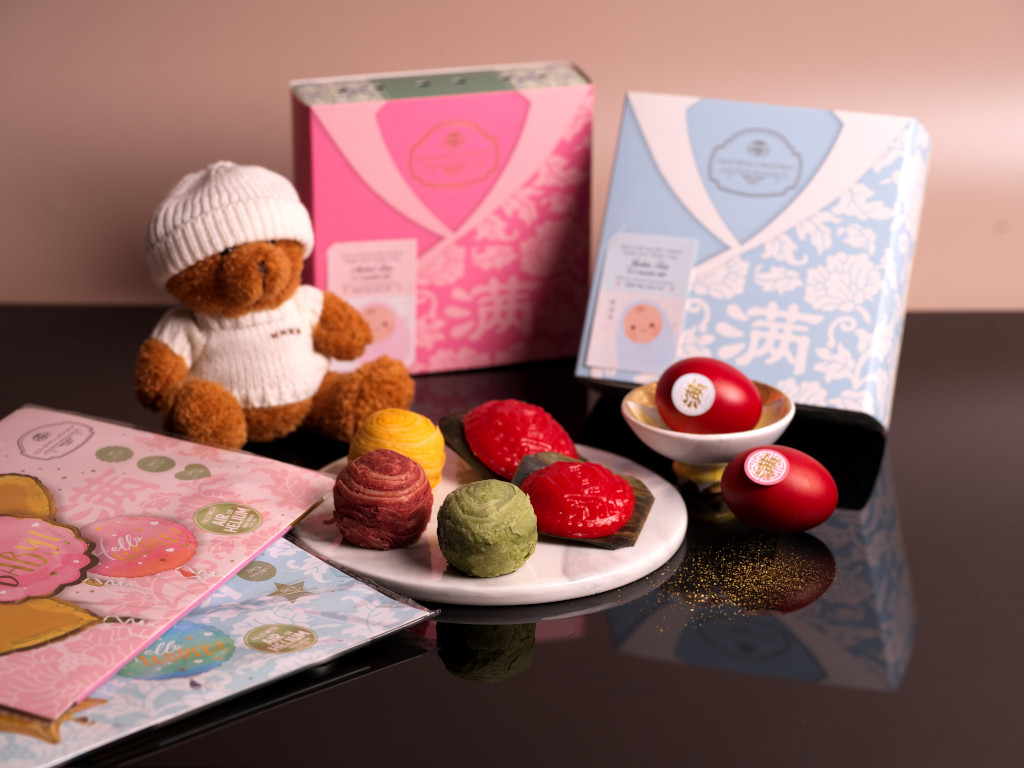
    • Red eggs and ang ku kueh distribution
    • Home visits from relatives and friends
    • Small gatherings or restaurant meals
    • Full month gift boxes delivered to family and colleagues

    The event tends to feel rooted in family tradition, even when it’s done in a contemporary way.


    What Is a 100 Days Celebration?

    The 100 days celebration has a slightly different tone.

    While it exists in some Chinese traditions, it has also become popular more broadly across modern Asian family culture, partly influenced by Korean and regional East Asian practices. Instead of focusing on the baby surviving the first month, the 100 days celebration feels more like a milestone of growth and development.

    By this stage, the baby is more alert, parents are often less exhausted than they were during the newborn phase, and gatherings tend to feel more relaxed and social.

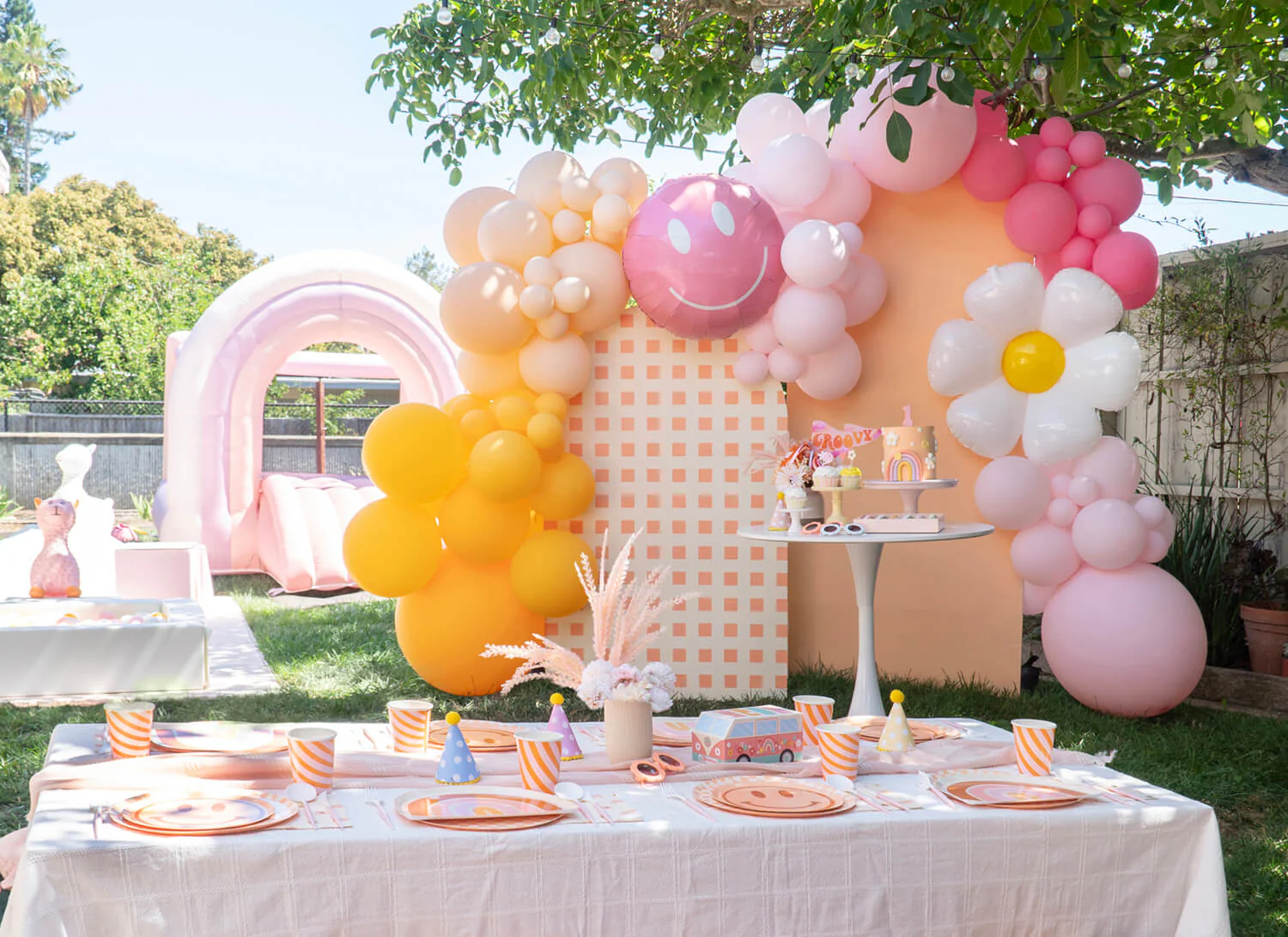
    In Singapore, 100 days parties are increasingly styled like mini birthday celebrations. Some families host them at cafés, event spaces, or restaurants with themed decorations, dessert tables, and photo areas.

    The atmosphere is often more celebratory than ceremonial.


    So, Does the Ang Bao Differ?

    In practice, yes, though the difference is subtle rather than dramatic.

    For full month celebrations, ang bao tends to follow a more traditional structure. Guests usually give moderate amounts tied to family customs and established social expectations.

    For 100 days celebrations, gifting becomes slightly more flexible. Some guests still give ang bao, while others choose presents instead, especially if the event feels more like a casual party.

    The shift is less about the amount itself and more about the tone of the occasion.


    Typical Ang Bao Amounts for Full Month Celebrations

    In Singapore, full month ang bao amounts usually fall within these ranges:

    • Around $20 to $50 for acquaintances, colleagues, or distant relatives
    • Around $50 to $100 for close friends and relatives
    • Higher amounts for immediate family or godparents

    These figures aren’t fixed rules, but they reflect common practice.

    For close family members, the amount may increase significantly depending on tradition and relationship. Grandparents, for example, often give much larger sums or gold jewellery instead of standard ang bao.

    What’s noticeable is that full month celebrations still carry a relatively traditional expectation around monetary gifting. Even when gifts are brought, ang bao remains very common.


    Typical Ang Bao Amounts for 100 Days Celebrations

    For 100 days parties, the ranges are often slightly more relaxed.

    Guests commonly give:

    • Around $20 to $50 for casual invitations
    • Around $50 to $80 for closer relationships
    • More for family members or particularly close friends

    The numbers themselves may not look dramatically different from full month celebrations, but the expectation around them feels softer.

    At 100 days parties, gifts become more common alternatives. Parents may receive baby clothes, books, toys, keepsakes, or practical baby items instead of cash.

    This is why some guests feel less pressure around ang bao at 100 days celebrations compared to full month events.


    Why Full Month Feels More Traditional

    Part of the reason lies in cultural familiarity.

    Full month celebrations have been part of Singaporean Chinese culture for generations. Most people understand the format instinctively. They know about red eggs, ang ku kueh, and visiting the baby for the first time.

    Because the custom feels established, the etiquette around ang bao also feels more defined.

    100 days celebrations, on the other hand, still feel newer and more flexible in Singapore. Different families approach them differently. Some host formal parties. Others keep things extremely casual. Some combine them with baby showers or first birthdays.

    That flexibility naturally affects how guests think about giving.


    Gifts vs Ang Bao: Which Is More Common?

    If you compare the two events directly, there’s a noticeable difference in gifting culture.

    At full month celebrations, ang bao remains the dominant gesture. Gifts exist, but cash contributions are still the norm for many guests.

    At 100 days celebrations, physical gifts become much more common. The event itself often feels more modern and social, which naturally leans toward present-giving rather than purely monetary contributions.

    That doesn’t mean ang bao is inappropriate. It simply means guests have more flexibility in how they choose to celebrate the baby.


    Does Venue Affect the Amount?

    To some extent, yes, though not as strongly as weddings.

    A small home-based full month gathering typically carries lower ang bao expectations than a restaurant-hosted event. Similarly, a 100 days party held at an upscale venue may encourage guests to give slightly more.

    Still, the relationship with the parents matters far more than the venue itself.

    People rarely calculate baby celebration ang bao based on “covering costs” in the way they do for weddings. The amounts remain symbolic rather than transactional.


    Relationship Still Matters Most

    As with almost every form of ang bao in Singapore, closeness plays the biggest role.

    A close friend’s baby will naturally receive a more generous contribution than a colleague’s child you’ve never met. Family members often give substantially more, particularly if cultural expectations within the family are stronger.

    This applies equally to both full month and 100 days celebrations.

    The difference lies more in the atmosphere of the event than in the hierarchy of relationships.


    What If You Attend Both?

    Occasionally, guests are invited to both a full month celebration and a 100 days event for the same baby.

    In these cases, most people do not give the same amount twice.

    Usually, guests will:

    • Give ang bao at the first event
    • Bring a small gift for the second
    • Or reduce the second contribution slightly

    There’s no expectation to repeat the exact same gesture at full scale. Families generally understand that guests have already celebrated the milestone once.


    The Influence of Modern Parenting Culture

    Part of what’s shaping these differences is the rise of modern parenting culture in Singapore.

    Younger parents often personalise baby celebrations heavily. Some prefer traditional customs. Others lean into café-style parties, themed photoshoots, or social media-friendly gatherings. Many combine multiple influences together.

    As a result, guests increasingly respond to the tone of the invitation rather than relying solely on tradition.

    A formal family full month gathering encourages ang bao. A playful 100 days brunch might make a gift feel more appropriate.

    Neither approach is wrong.


    A Practical Way to Decide

    If you’re unsure what to give, the easiest approach is surprisingly simple.

    For full month celebrations, ang bao is usually the safest and most common option.
    For 100 days celebrations, either ang bao or a thoughtful gift works well.

    Then adjust based on your relationship with the parents and the scale of the event.

    You don’t need to calculate precisely or compare what others are doing.


    Final Thoughts

    Baby full month and 100 days celebrations may seem similar on the surface, but they carry slightly different meanings in Singapore today.

    Full month celebrations remain more rooted in tradition, which is why ang bao feels more expected and structured. 100 days celebrations, meanwhile, often feel more modern and flexible, giving guests greater freedom to choose between gifts and cash contributions.

    In both cases, though, the core intention remains the same. You’re celebrating the arrival and growth of a child, and acknowledging an important moment for the family.

  • How Much Ang Bao to Give for a 1st Birthday Party in Singapore

    How Much Ang Bao to Give for a 1st Birthday Party in Singapore

    A baby’s first birthday feels different from every other celebration that comes after. It’s not just about cake and photos. It marks a full year of growth, sleepless nights, tiny milestones, and the quiet relief that the hardest early months are behind the parents.

    In Singapore, where traditions and modern lifestyles overlap constantly, first birthday parties have taken on a slightly hybrid identity. Some look like Western-style celebrations with themed decorations and dessert tables. Others carry traces of Chinese customs, where symbolic gestures like ang bao still play a role.

    So when you’re invited to a 1st birthday party, the question naturally comes up: how much ang bao should you give?

    There isn’t a strict formula like there is for weddings, but there are clear social patterns. Once you understand the intent behind the gesture, the numbers become much easier to navigate.


    Is Ang Bao Expected at a 1st Birthday Party?

    The short answer is yes, but with flexibility.

    In Singapore, it is quite common to give ang bao at a baby’s first birthday, especially among Chinese families. The red packet is seen as a blessing for the child’s future, symbolizing prosperity, health, and good fortune.

    That said, it is not a rigid expectation.

    Some guests choose to bring gifts instead. Others combine both, giving a small ang bao along with a toy or baby item. In more modern or Western-style parties, especially among younger parents, gifts may even be more common than red packets.

    So while ang bao is widely accepted, it is not mandatory.


    Why Ang Bao Matters for a Baby’s First Birthday

    In traditional Chinese culture, milestones in a child’s early life carry deep meaning.

    The first month, known as the full-month celebration, marks survival through the most fragile stage of infancy. The first birthday, on the other hand, represents growth, strength, and the beginning of a longer journey ahead.

    Giving ang bao at this stage is less about covering costs and more about offering blessings.

    Unlike weddings, where ang bao sometimes reflects banquet pricing, first birthday ang bao is symbolic. The money is meant to bring good luck to the child, not to offset party expenses.

    Parents often keep these red packets for the child, sometimes saving them in a bank account or keeping them as part of the child’s memory box.


    How Much Ang Bao Should You Give?

    Since there is no fixed rule, the amount you give usually depends on your relationship with the family and the type of celebration.

    Still, there are common ranges that most people in Singapore follow.

    For acquaintances or casual friends

    If you’re attending the party as a colleague, neighbor, or distant acquaintance, a modest amount is perfectly appropriate.

    Most people give between $20 and $50.

    This range feels polite without being excessive, and it reflects the informal nature of many first birthday parties.


    For close friends

    If the parents are good friends, people tend to give slightly more.

    A typical range would be $50 to $100, depending on your closeness and personal comfort.

    At this level, the ang bao feels more meaningful, but it still remains within the spirit of a symbolic gift rather than a formal obligation.


    For family members

    Immediate family members often give more generous amounts.

    Grandparents, uncles, aunts, and godparents may give $100, $168, or even higher, especially if they view the child as an important addition to the family.

    These amounts are often chosen with auspicious numbers in mind, which leads to the next important point.


    Choosing Auspicious Ang Bao Amounts

    In Chinese culture, certain numbers carry positive meanings, and many people take this into account when preparing ang bao.

    Numbers like 8 are associated with wealth and prosperity. That’s why amounts such as $28, $88, or $168 are commonly seen.

    Even numbers are generally preferred, as they symbolize harmony and balance.

    On the other hand, numbers associated with negative meanings, like 4, are often avoided.

    While not everyone follows these rules strictly today, they still influence how many people choose their ang bao amounts.


    Does the Venue Affect the Amount?

    Unlike weddings, the venue rarely determines how much ang bao you should give for a first birthday.

    Whether the party is held at a restaurant, café, function room, or private home, the amount remains largely unchanged.

    This is because first birthday celebrations are not tied to a cost-per-head expectation. Guests are not expected to “cover their seat” in the same way they might at a wedding banquet.

    So even if the party looks elaborate or takes place in a more upscale venue, you don’t need to adjust your ang bao significantly.


    Ang Bao vs Gifts: Which Is Better?

    This is where personal preference comes in.

    Some guests prefer giving ang bao because it’s simple and practical. Parents can use the money for baby essentials, savings, or future expenses.

    Others prefer gifts because they feel more personal.

    Common gift ideas include toys, books, clothing, or baby essentials. Some guests also choose educational items or keepsakes that the child can use as they grow older.

    There’s no right or wrong choice here.

    In fact, many people combine both, giving a small ang bao along with a thoughtful gift. This approach feels balanced and generous without being excessive.


    When You Might Skip Ang Bao

    There are situations where giving ang bao may not feel necessary.

    If the invitation explicitly says “no gifts” or “your presence is enough,” it’s perfectly fine to respect that request.

    If you’re not particularly close to the family, a simple gift or even just attending the party can be enough.

    Some modern parents prefer a minimal approach and may not expect anything from guests at all.

    As always, reading the tone of the invitation helps.


    Cultural Differences Across Singapore

    Singapore’s multicultural environment means that not all families follow the same practices.

    Chinese families are more likely to expect or appreciate ang bao, especially from older relatives.

    Malay and Indian families may lean more toward gift-giving traditions instead of red packets.

    For Western-style birthday parties, especially among expatriates or globally influenced families, gifts are usually the norm.

    Understanding the family’s background can help you decide what feels most appropriate.


    What Parents Actually Appreciate

    While guests often stress about the “correct” amount, most parents are not keeping track.

    A first birthday is often more about celebrating survival through the first year of parenting than anything else. Parents tend to remember who showed up, who shared the moment, and who made the effort.

    A thoughtful message, a kind gesture, or even just your presence can matter more than the amount inside the envelope.


    A Simple Way to Decide

    If you’re unsure what to give, here’s an easy way to think about it:

    • If you’re close to the family, give a slightly more generous ang bao or pair it with a gift.
    • If you’re attending casually, keep the amount modest and symbolic.
    • If the party feels more like a Western-style celebration, a gift may feel more natural.

    And if the invitation suggests no gifts, respect that and simply attend with a warm congratulations.


    Final Thoughts

    Figuring out how much ang bao to give for a 1st birthday party in Singapore doesn’t have to feel complicated.

    There are no strict formulas, no hidden expectations, and no need to overthink the numbers.

    At its core, the ang bao is simply a blessing for the child. It represents good wishes for health, happiness, and a bright future.

    Whether you give $28, $50, or $100, what matters most is the intention behind it.

    Show up, celebrate the milestone, and share in the joy of a child turning one. That’s what the occasion is really about.

  • Is Ang Bao Expected for Gender Reveal Parties? A Singapore Etiquette Guide

    Is Ang Bao Expected for Gender Reveal Parties? A Singapore Etiquette Guide

    A few years ago, most people in Singapore had never heard of gender reveal parties. Today, they show up regularly on Instagram feeds and WhatsApp group chats. Balloons burst into pink or blue confetti, cakes hide colored fillings, and friends gather to guess whether the baby on the way will be a boy or a girl.

    But whenever a new celebration becomes popular, etiquette questions follow close behind. In Singapore, the question often comes down to one familiar tradition: the ang bao.

    If you’re invited to a gender reveal party, do you bring a red packet? Is it expected? Or is it completely unnecessary?

    The answer, like many etiquette questions, depends on context. Gender reveal parties sit somewhere between Western-style celebrations and Asian gift traditions, which means expectations aren’t always obvious. Understanding how these events work in Singapore makes it easier to decide what’s appropriate.


    What Is a Gender Reveal Party?

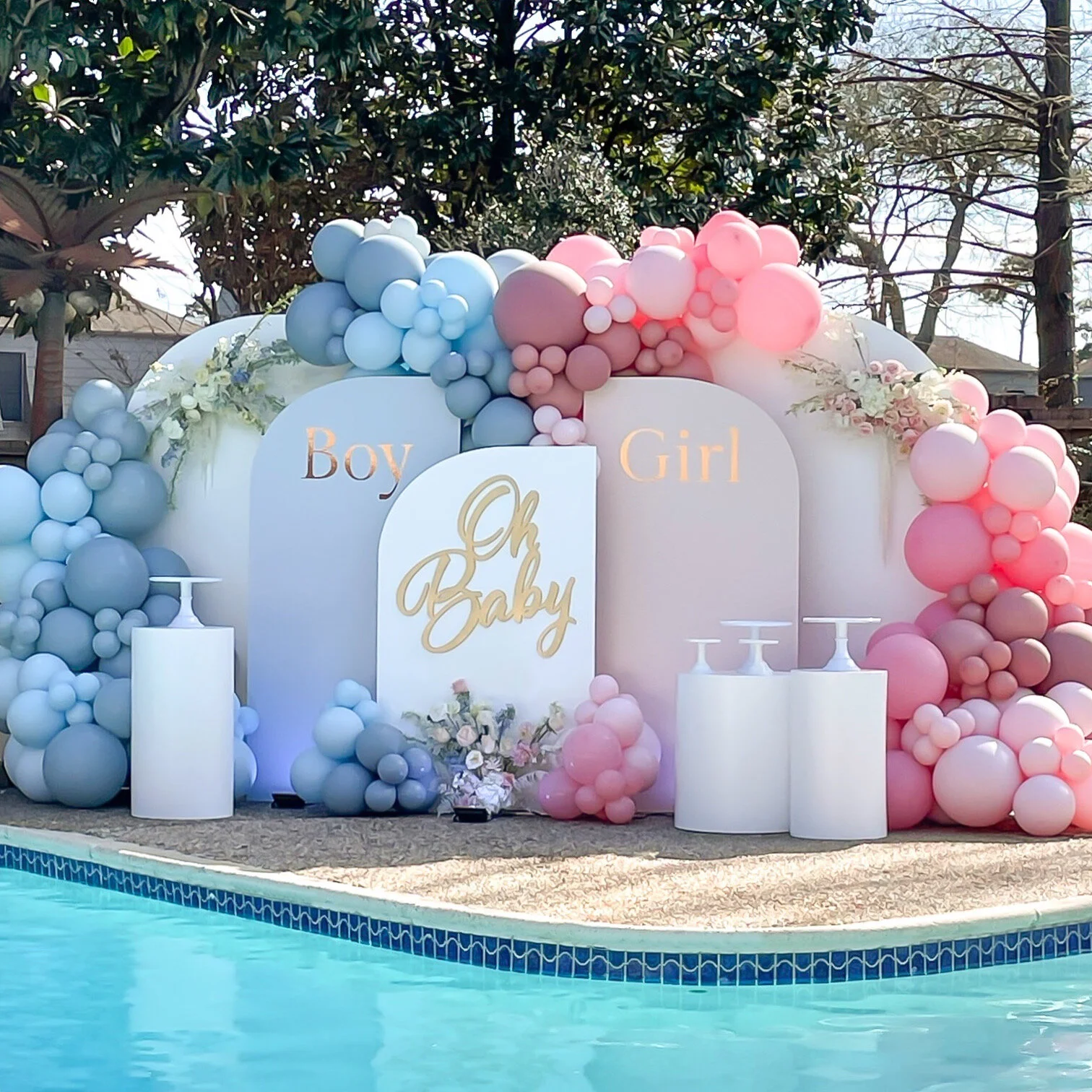
    A gender reveal party is a celebration where expectant parents announce the baby’s gender to friends and family in a creative way.

    The reveal itself is usually the highlight. A balloon may pop with colored powder inside. A cake might be cut open to show pink or blue layers. Sometimes the moment involves confetti cannons, smoke bombs, or playful games.

    The trend began in the United States and gradually spread through social media. In Singapore, it has become popular among younger couples, especially those influenced by Western lifestyle culture.

    Unlike traditional baby showers, gender reveal parties tend to be smaller and more casual. They often take place in cafés, restaurants, or private homes. The focus is less on gifts and more on sharing the excitement of the pregnancy milestone.


    The Short Answer: Ang Bao Is Usually Not Expected

    In most cases, ang bao is not expected at gender reveal parties in Singapore.

    This is the key difference between gender reveals and traditional celebrations like weddings or full-month parties. Weddings have long-established ang bao customs tied to banquet seating and cultural blessings. Gender reveal parties, on the other hand, are relatively new and typically informal.

    Guests usually attend simply to celebrate the parents’ happiness and witness the reveal moment.

    That means arriving empty-handed is completely acceptable.

    Still, cultural habits can influence how people interpret invitations. Some guests feel awkward turning up without bringing something, especially in a society where gifting traditions are deeply ingrained.

    To understand the etiquette fully, it helps to look at how gender reveal celebrations fit into Singapore’s broader culture.


    Why Ang Bao Isn’t Part of Gender Reveal Tradition

    There are several reasons why ang bao isn’t typically associated with gender reveal parties.

    First, the event itself is Western in origin. In Western cultures, gender reveal parties usually revolve around food, games, and the reveal moment. Guests aren’t expected to give money or gifts.

    Second, Singapore already has several established baby-related celebrations. These include the baby shower, the baby’s full-month celebration, and sometimes a first birthday party. Gifts and ang bao tend to appear during those occasions instead.

    Adding ang bao expectations to gender reveal parties would create too many gift-giving milestones around a single pregnancy.

    Most people recognize this and treat the event as a casual gathering rather than a formal celebration.


    Situations Where Guests Might Still Bring Ang Bao

    Even though ang bao isn’t expected, some guests still choose to give one.

    This usually happens in certain social situations.

    1. Close Family Members

    Immediate family members sometimes bring a red packet simply as a gesture of blessing for the baby.

    Grandparents, siblings, and close relatives may view the occasion as an early celebration of the child’s arrival. In Chinese culture, giving money to a baby symbolizes prosperity and good fortune.

    However, even within families, the ang bao amount is typically small and symbolic.


    2. Older Generations Who Follow Traditional Customs

    Guests from older generations sometimes feel uncomfortable attending celebrations empty-handed.

    In these cases, giving ang bao is less about etiquette rules and more about personal habit. Many people grew up in environments where celebrations were closely tied to red packet traditions.

    Rather than showing up without a gift, they may bring a modest envelope simply to convey blessings.


    3. When the Party Is Combined With Another Celebration

    Occasionally, gender reveal parties overlap with other events.

    Some couples combine the reveal with a baby shower or a pregnancy celebration. In those situations, guests may feel more inclined to bring gifts or ang bao because the event has broader meaning.

    If the invitation suggests that the gathering is also a baby shower, then gifts become much more common.


    What Most Guests Actually Bring

    In reality, most people attending gender reveal parties in Singapore bring one of three things.

    Some arrive with a small gift for the baby. Others bring food, desserts, or drinks if the party is held at someone’s home. Many guests simply show up and participate in the celebration.

    None of these choices would be considered rude.

    The parents hosting the event usually care more about sharing the moment than receiving presents.


    If You Want to Give Ang Bao, How Much Is Appropriate?

    If you decide to give ang bao anyway, the amount does not need to be large.

    Since gender reveal parties don’t involve banquet costs or formal traditions, most people keep the amount symbolic.

    Common auspicious amounts include $20, $28, $50, or $88.

    These numbers are considered lucky in Chinese culture and carry positive meanings associated with prosperity and good fortune.

    The goal is simply to offer a blessing for the baby rather than to provide a substantial gift.


    Alternative Gifts That Are Often Appreciated

    Some guests prefer giving small gifts instead of ang bao.

    This approach feels more aligned with the casual nature of gender reveal parties.

    Popular gift ideas include baby clothes, soft toys, storybooks, or practical items like bibs and blankets. Parents often appreciate thoughtful gifts that can be used during the baby’s first year.

    If you’re unsure what to bring, neutral baby items are usually the safest choice. Since the baby’s gender is about to be revealed, guests sometimes choose gifts in neutral colors like white, beige, or pastel tones.

    Another thoughtful option is writing a card with a message for the parents and baby. These notes often become keepsakes that families treasure later on.


    The Role of Baby Showers and Full-Month Celebrations

    Part of the reason gender reveal etiquette feels confusing in Singapore is because several other baby celebrations already exist.

    Traditionally, Chinese families celebrate a baby’s full month, also known as the “满月” celebration. This event marks the baby reaching one month old and historically signaled the child’s survival past the most fragile early stage of life.

    Friends and relatives often give ang bao during the full-month celebration.

    Baby showers, which have Western roots, are also becoming more common. These gatherings usually involve gifts for the baby rather than red packets.

    Because these celebrations already include gifting traditions, many people treat gender reveal parties as the one milestone where gifts are optional.


    How Invitations Can Hint at Expectations

    Sometimes the invitation itself provides subtle clues about whether gifts are expected.

    If the invitation describes the event as a casual gathering, barbecue, or small party, it usually means guests should simply come and enjoy themselves.

    If the event resembles a baby shower with games, gift tables, and decorations centered around the baby, then bringing a gift may feel more appropriate.

    Many modern invitations also include phrases such as “no gifts necessary.” Couples often add this to reassure guests that the celebration is meant to be relaxed.


    Singapore’s Evolving Celebration Culture

    Singapore’s social customs often blend traditional Asian values with modern global trends.

    Gender reveal parties are a good example of this cultural mix. The concept originated overseas, but once it arrived here, people naturally interpreted it through familiar traditions like ang bao.

    Over time, a kind of informal consensus has emerged.

    Gender reveals are treated as joyful gatherings rather than formal ceremonies. Friends come together, take photos, share a meal, and celebrate the growing family.

    The emphasis stays on the moment rather than the gifts.


    What Matters More Than Ang Bao

    When people worry about etiquette, they sometimes forget the real purpose of the event.

    Expectant parents host gender reveal parties because they’re excited. Pregnancy is a meaningful stage of life, and sharing that excitement with loved ones makes the experience more memorable.

    Showing up, cheering during the reveal, and offering sincere congratulations often means far more than any envelope or gift.

    Parents tend to remember the laughter, the photos, and the supportive messages long after the party ends.


    The Simple Etiquette Rule to Remember

    If you’re invited to a gender reveal party in Singapore and wondering about ang bao, keep the rule simple.

    You are not expected to give ang bao.

    If you feel like bringing a small gift or symbolic red packet, that’s a thoughtful gesture but not an obligation.

    Attending the celebration with genuine enthusiasm is already enough.


    Final Thoughts

    Gender reveal parties are still a relatively new addition to Singapore’s celebration culture, which explains why etiquette around them can feel uncertain.

    Fortunately, the expectations are refreshingly relaxed. Unlike weddings or banquet celebrations, there’s no established ang bao formula and no social pressure to calculate the right amount.

    Think of the event as a gathering of friends rather than a formal ceremony.

    Come ready to celebrate, enjoy the moment when the big reveal happens, and share your excitement for the parents-to-be.
    Everything else is optional.