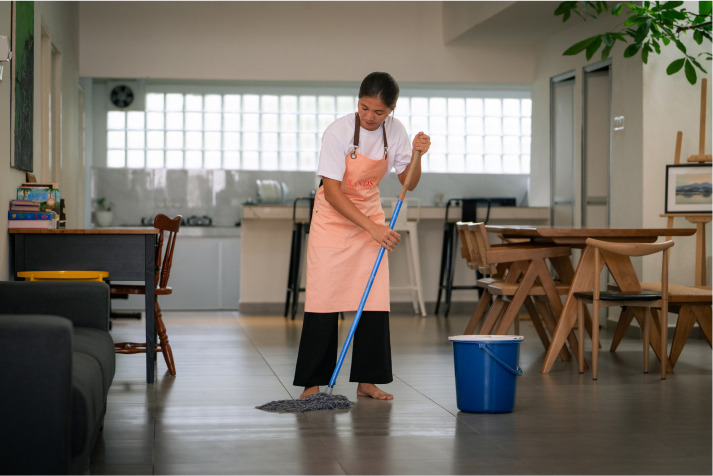
In Singapore, few relationships are as quietly important — and often misunderstood — as the one between a household and its domestic helper. It’s not just an employment arrangement. Over time, it becomes something more layered. Trust builds. Routines settle. A helper becomes part of the everyday rhythm of the home.
So when festive seasons or special occasions come around, many employers pause and wonder:
Should I give ang bao? And how much is appropriate?
Unlike wedding ang bao, there’s no table rate, no published benchmark tied to a venue. And unlike Chinese New Year packets for children, the expectations here aren’t widely discussed in public.
Still, there are patterns. Cultural instincts, social norms, and lived experiences all shape what people typically give. Once you understand those, the question becomes much easier to navigate.
Is It Expected to Give Ang Bao to Domestic Helpers?
The short answer is yes — but not in a rigid, obligatory way.
In Singapore, giving ang bao to domestic helpers is widely seen as a gesture of appreciation rather than a strict cultural duty. It’s especially common during Chinese New Year, but it can also extend to other moments like birthdays, contract renewals, or festive occasions such as Hari Raya or Christmas.
The key idea is simple: the ang bao is a way of saying thank you.
Not for a single day’s work, but for the ongoing effort that often goes unnoticed — caring for children, supporting elderly family members, managing the home, and keeping daily life running smoothly.
Typical Ang Bao Amounts in Singapore
While there’s no fixed rule, several widely cited ranges give a realistic sense of what people actually give.
For Chinese New Year, most guides suggest:
- Around $20 to $80 as a common range
- Some households go slightly higher, especially for long-term helpers
In more casual or community discussions, people often mention:
- $20 to $100, depending on length of service and relationship
For birthdays or special occasions, anecdotal norms often fall around:
- $50 as a typical amount, sometimes paired with a cake or small celebration
These numbers aren’t strict benchmarks. They’re more like social reference points — a way to understand what feels reasonable in Singapore today.
What Actually Determines the Amount
If you’re trying to decide how much to give, the amount usually comes down to a few key factors.
1. Length of Employment
This is often the biggest influence.
A helper who has been with your family for several years will naturally receive more than someone who just started a few months ago. Longevity signals trust, familiarity, and contribution over time.
For example:
- Less than 6 months: lower end of the range
- 1–3 years: mid-range
- 3+ years: higher or more generous ang bao
It’s not a formula, but people instinctively adjust based on how long the relationship has lasted.
2. Nature of the Relationship
Some households maintain a strictly professional dynamic. Others develop a more familial bond over time.
If your helper has played a significant role in your family — raising your child, caring for elderly parents, or supporting major life transitions — the ang bao often reflects that.
In these cases, the gesture becomes more personal than transactional.
3. Type of Occasion
Not all ang bao are equal.
Chinese New Year tends to be the most common and expected occasion. It’s tied to tradition and renewal, making it a natural moment for giving.
Other occasions vary:
- Birthday: usually smaller, more personal
- Festive holidays (Hari Raya, Christmas): symbolic and thoughtful
- Contract renewal or milestone: sometimes more generous
The occasion helps set the tone for the amount.
4. Your Own Financial Comfort
This is the factor people often hesitate to acknowledge, but it matters.
Ang bao is not meant to create financial strain. Most etiquette guides emphasize giving within your means, even for close relationships
A smaller, sincere amount given comfortably is always better than a larger one given under pressure.
A Practical Breakdown: What Most People Give
To make this more concrete, here’s how ang bao amounts typically play out in Singapore households.
New helper (less than a year)
Around $20 to $50
A simple gesture of appreciation without overstepping
Mid-term helper (1–3 years)
Around $50 to $80
Reflects growing trust and contribution
Long-term helper (3+ years or very close relationship)
$80 to $150 or more
Often paired with other gestures like gifts or bonuses
These are not rules. They’re patterns that show up repeatedly in real-life practice.
Ang Bao vs Bonus — Are They the Same?
This is an important distinction.
Ang bao is typically symbolic and festive. It’s tied to occasions and carries cultural meaning.
A bonus, on the other hand, is compensation-based. It may be tied to performance, contract renewal, or year-end appreciation.
Some employers give both. For example:
- A year-end bonus (e.g. one month salary)
- A separate Chinese New Year ang bao
The two serve different purposes, even if they sometimes overlap.
Should You Give More Instead of a Bonus?
Not necessarily.
In most households, ang bao is not a substitute for fair pay or bonuses. It’s an additional gesture, not a replacement.
If your helper has been with you long-term, many employers prefer to maintain both:
- A structured bonus for work
- A smaller ang bao for cultural or festive meaning
This keeps expectations clear and avoids confusion.
The Cultural Meaning Behind the Gesture
In Chinese tradition, ang bao represents more than money.
It symbolizes:
- Prosperity
- Good fortune
- Blessings for the year ahead
Giving ang bao to a domestic helper extends that symbolism beyond family lines. It acknowledges that this person, though not related by blood, plays a meaningful role in the household.
There’s also an element of dignity in the gesture.
Unlike a generic gift, a red packet allows the recipient to decide how to use the money. It respects personal choice while still conveying appreciation.
Small Details That Matter
Sometimes it’s not the amount that leaves the strongest impression, but how the ang bao is given.
A few small touches make a difference:
- Give it in person when possible
- Offer a simple greeting or message of thanks
- Use a clean, new red packet
These details reinforce the meaning behind the gesture.
Even something as simple as saying, “Thank you for taking care of the family this year,” can make the moment feel genuine.
When You Might Give More Than Usual
There are certain situations where employers choose to be more generous.
If your helper went through a particularly demanding period, such as caring for a newborn or managing multiple responsibilities, a higher ang bao may feel appropriate.
If your family experienced a difficult year and your helper provided strong support, the gesture can reflect that gratitude.
And sometimes, generosity simply comes from appreciation rather than obligation.
What Domestic Helpers Actually Value
While money is always appreciated, many helpers value something else just as much: recognition.
Being acknowledged, thanked, and treated with respect often carries more emotional weight than the exact amount in the envelope.
In some households, ang bao is paired with:
- A day off
- A small celebration
- A meal together
- A thoughtful gift
These gestures reinforce that the relationship goes beyond transactions.
A Simple Way to Decide
If you’re unsure how much to give, keep it straightforward.
Think about how long your helper has been with you. Consider your relationship and what they’ve contributed. Choose an amount that feels comfortable and sincere.
That’s enough. There’s no need to overcalculate or compare with others.
Final Thoughts
Giving ang bao to a domestic helper in Singapore sits somewhere between tradition and personal judgment.
There are general ranges, yes. There are social patterns. But there’s no fixed formula.
At its core, the gesture is about appreciation.
It acknowledges the invisible work that keeps a household running. It recognizes trust, effort, and presence over time.
So whether you give $30 or $100, what matters most isn’t the number, but the intention behind it.