There’s a quiet moment before every wedding where many Singaporeans do the same thing. They pause, think about the venue, maybe search for a rate guide, and then mentally compare today’s numbers to what they used to give a few years ago.
And almost always, the same thought surfaces.
Why do ang bao rates feel so much higher now?
It’s not just your imagination. Over the years, ang bao rates in Singapore have steadily climbed, and the reasons behind it tell a larger story about inflation, rising lifestyle costs, and how social expectations evolve alongside them.
Understanding this shift helps take some of the pressure off. Because once you see how ang bao rates move in tandem with broader economic trends, the numbers start to make more sense.
How Ang Bao Became Linked to Costs
Traditionally, ang bao was never meant to be calculated so precisely.
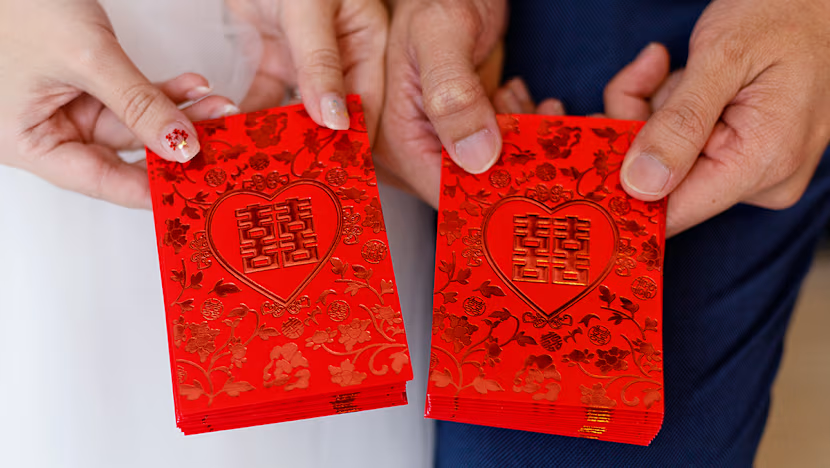
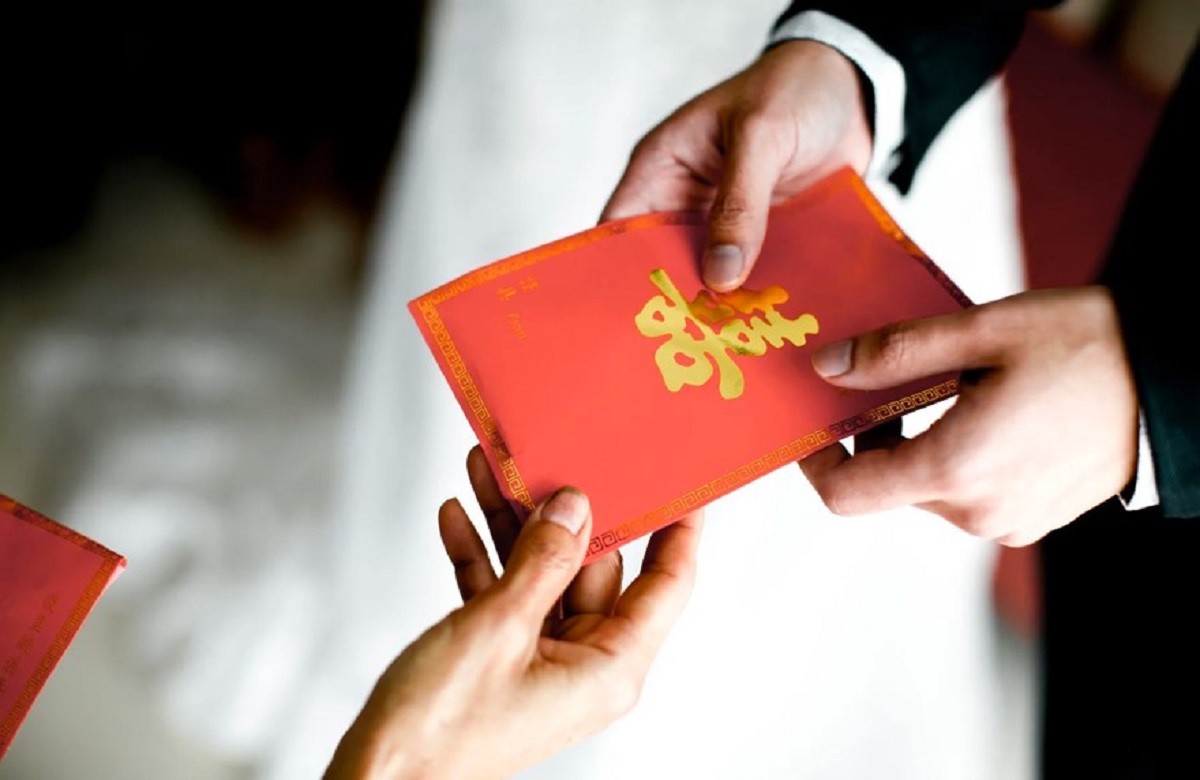
In Chinese culture, red packets symbolized blessings. The amount inside mattered less than the gesture itself. Numbers were often chosen for their meaning, not their value. Giving $8 or $18 was about prosperity, not purchasing power.
But Singapore weddings developed in a very specific way.
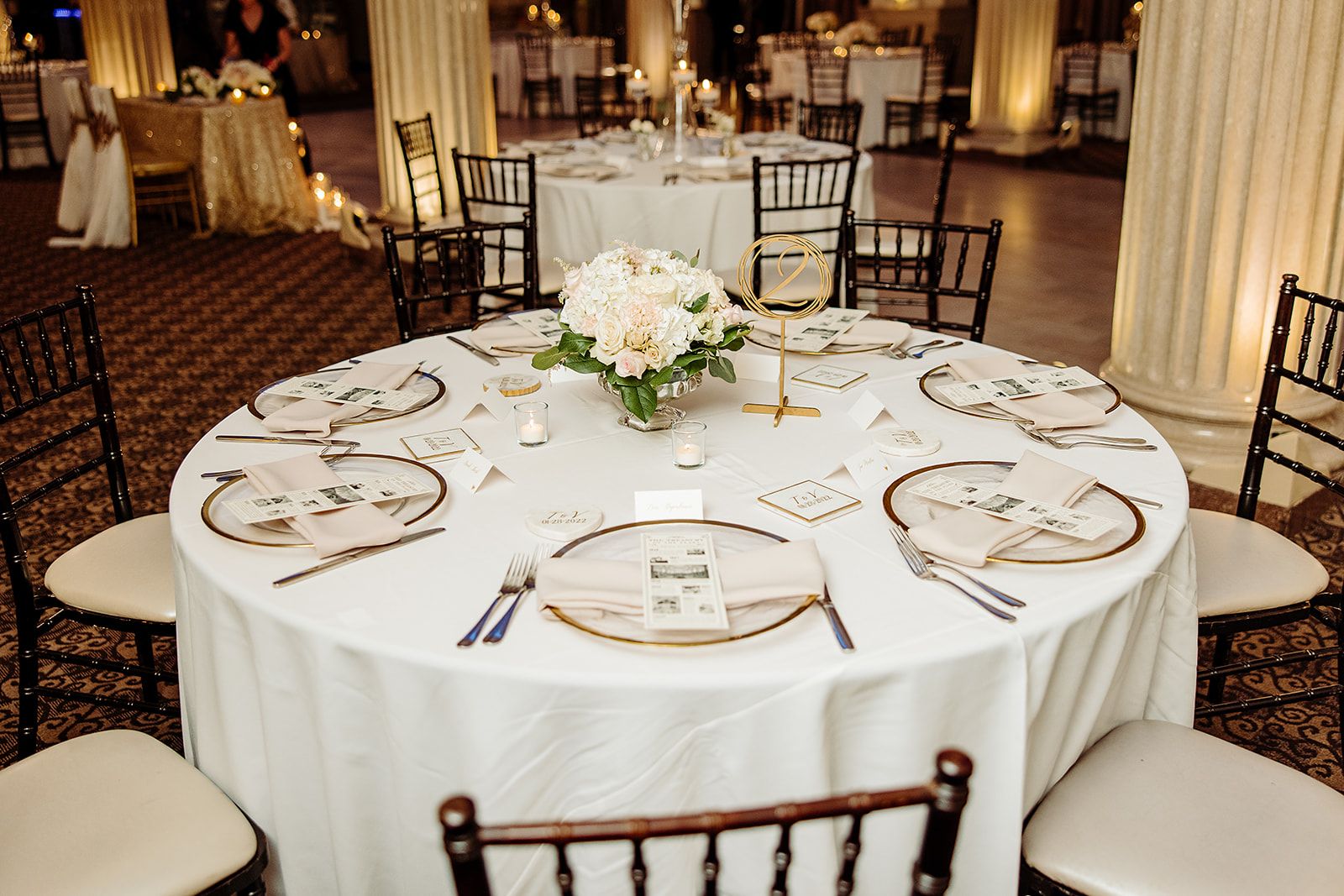
Banquet-style weddings became the norm, especially in hotels and large restaurants. Each table came with a fixed cost, and guests began to align their ang bao with what the couple was paying per seat.
Over time, this turned into an informal system. People weren’t just giving blessings. They were also, in a sense, contributing to the cost of the celebration.
And once ang bao became tied to real prices, inflation naturally entered the picture.
A Look Back: Ang Bao Rates Then vs Now
If you compare ang bao rates across the past decade or two, the shift is clear.
In the early 2000s, a hotel wedding dinner might cost around $600 to $800 per table. That worked out to roughly $60 to $80 per guest. Ang bao amounts reflected that.
By the 2010s, table prices had risen significantly. A mid-range hotel might charge $1,200 to $1,800 per table, pushing ang bao expectations into the $120 to $180 range.
Today, it’s not uncommon for premium venues to charge $2,800 to $3,500 or more per table. That translates into ang bao rates of $280 to $350 per guest for dinner banquets.
The increase hasn’t been sudden. It’s been gradual, almost subtle. But over time, it has added up.
Why Wedding Costs Keep Rising
To understand ang bao inflation, you have to look at what’s happening behind the scenes.
Weddings today are very different from what they were a generation ago.
Hotel venues have become more sophisticated, with elaborate ballroom setups, curated menus, and higher service standards. Couples often invest in lighting, stage design, photography teams, and live entertainment.
Food costs have also gone up. Ingredients, labor, and logistics all contribute to higher banquet pricing.
Then there’s the broader economic environment. Inflation affects everything, from rent to wages to utilities. Hotels and restaurants adjust their pricing accordingly, and those increases eventually show up in wedding packages.
Guests don’t see the breakdown, but they feel the impact through ang bao expectations.
The Psychology of “Covering Your Seat”
One of the most interesting aspects of ang bao culture in Singapore is the idea of “covering your seat.”
It’s not a formal rule, but it’s widely understood. Guests try to give an amount that roughly matches what the couple is paying per head.
This creates a kind of feedback loop.
As wedding costs rise, ang bao rates follow. As ang bao rates rise, people begin to accept higher numbers as normal. Over time, what once felt generous becomes standard.
This is why someone who attended weddings ten years ago might feel surprised by today’s expectations. The baseline has shifted.
Inflation vs Social Expectations
Here’s where things get more nuanced.
Not all increases in ang bao rates are purely economic. Some of it is driven by social perception.
In Singapore, weddings are often seen as important life milestones. Guests want to show respect, appreciation, and support. Giving too little can feel uncomfortable, even if there’s no explicit judgment.
At the same time, online ang bao rate guides have made comparisons easier. People can quickly check what others are giving at a particular venue, which reinforces shared expectations.
So while inflation raises the floor, social norms sometimes push the ceiling higher.
Are Ang Bao Rates Rising Faster Than Inflation?
This is a question many people quietly wonder about.
On paper, inflation in Singapore has increased steadily but not dramatically year by year. Yet ang bao rates can feel like they’ve jumped more noticeably.
Part of this comes from how wedding pricing works.
Hotels don’t always increase prices in small, gradual steps. Sometimes packages are updated in larger increments, especially when costs shift significantly. When that happens, ang bao expectations adjust quickly.
There’s also a psychological effect. Crossing certain thresholds, like moving from $200 to $300, feels like a bigger leap than it actually is in percentage terms.
So while ang bao rates generally track inflation, they can sometimes feel like they’re rising faster.
The Shift Toward Premium Weddings
Another factor influencing ang bao rates is the growing popularity of premium venues.
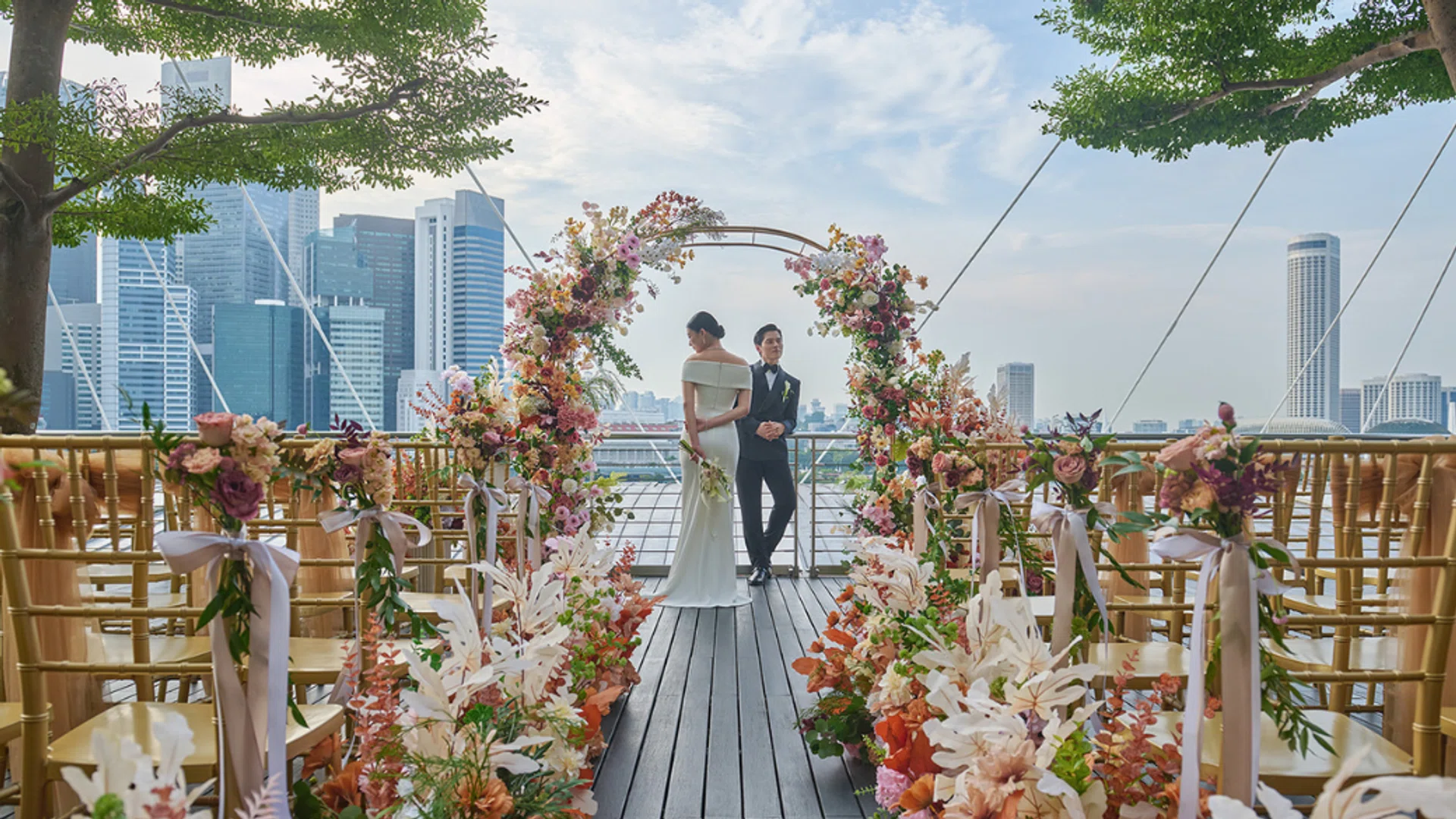
Couples today often choose locations that offer a full experience. Iconic hotels, waterfront ballrooms, and luxury spaces have become increasingly popular.
These venues naturally come with higher costs, which translate into higher ang bao expectations.
At the same time, social media has changed how weddings are perceived. Photos, videos, and curated aesthetics play a larger role, and that can influence how much couples are willing to spend.
Guests may not consciously think about this, but it shapes the environment in which ang bao rates are set.
How Guests Are Adapting
As ang bao rates rise, guests are quietly adjusting their approach.
Some people stick closely to published rate guides, treating them as a reference point. Others give within a comfortable range rather than aiming for exact figures.
There’s also a growing awareness that not every wedding needs to follow the same pattern.
Smaller weddings, café celebrations, and destination events often come with more flexible expectations. In these settings, ang bao becomes less about cost and more about the gesture.
Even in traditional banquets, many guests now focus on what feels reasonable rather than strictly matching the estimated seat price.
The Unspoken Truth: It’s Not a Perfect System
For all its logic, the cost-per-table approach to ang bao isn’t perfect.
It assumes that every guest should contribute equally, regardless of their relationship with the couple or their financial situation.
It also creates a subtle pressure that can make weddings feel transactional, even though they’re meant to be celebratory.
Most people recognize this, even if they don’t say it out loud.
That’s why, despite all the calculations and guides, ang bao etiquette still leaves room for flexibility. People adjust, interpret, and decide based on their own circumstances.
A More Balanced Way to Think About Ang Bao
If ang bao rates have been rising alongside inflation, what does that mean for guests today?
It means the numbers matter, but they’re not everything.
The cost-per-table model gives you a useful reference point. It helps you understand what others are likely giving. It prevents you from feeling completely unsure, but it doesn’t need to dictate your final decision.
A more balanced approach looks like this:
- Understand the typical range for the venue
- Consider your relationship with the couple
- Choose an amount that feels comfortable for you
That’s enough.
Where Ang Bao Culture Might Be Headed
Looking ahead, it’s likely that ang bao rates will continue to rise, especially as wedding costs increase. However, there are encouraging signs of change.
Some couples are moving toward smaller, more intimate weddings. Others explicitly tell guests not to worry about ang bao amounts. A few are even shifting away from banquet-style celebrations altogether.
At the same time, digital payments are making ang bao more flexible, which could gradually soften some of the traditional expectations.
Singapore’s wedding culture has always adapted to changing times. Ang bao practices will likely continue evolving in the same way.
Final Thoughts
The rise in ang bao rates over the years isn’t random. It reflects a combination of inflation, changing wedding trends, and evolving social norms.
What once felt like a simple gesture has become more structured, shaped by the realities of modern celebrations.
But at its core, the meaning hasn’t changed.
An ang bao is still a way of sharing in someone’s happiness. It’s still a small, symbolic act that carries goodwill and support.
So while the numbers may continue to climb, the intention behind them remains the same.