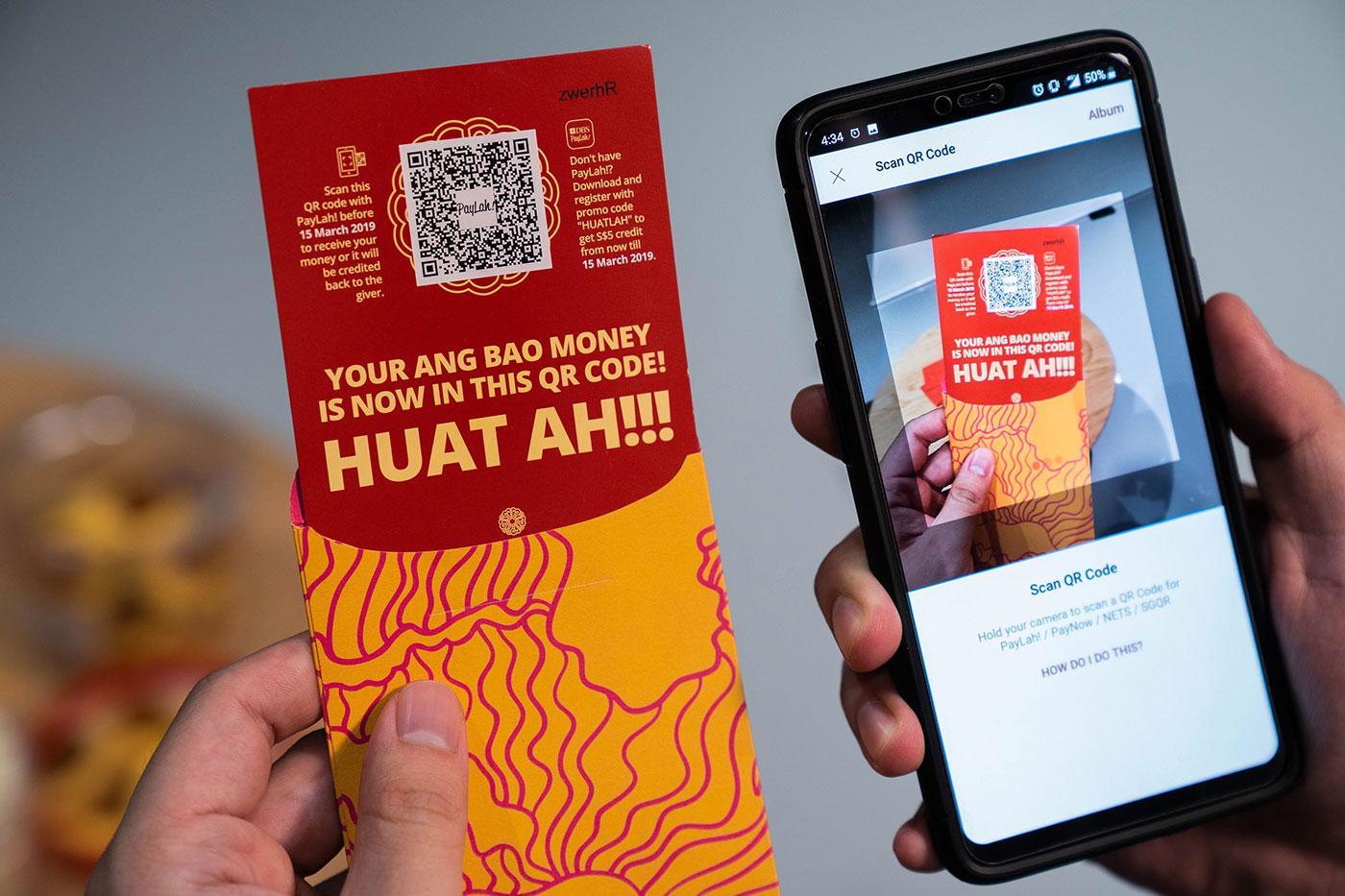
There was a time when giving ang bao felt almost ceremonial. You’d slip crisp notes into a red envelope, maybe take a second to smooth the edges, then pass it over with both hands. Weddings, birthdays, Chinese New Year visits, housewarmings — the ritual rarely changed.
These days, things look a little different. Invitations arrive through WhatsApp. Seating charts are digital. And somewhere along the way, the question quietly emerged.
Can I just transfer the ang bao instead?
In Singapore, where cashless payments are second nature and apps move money in seconds, the answer is increasingly yes. But like most etiquette questions, the real answer sits somewhere between what’s convenient and what still feels right.
The Short Answer: Yes, But With Context
You can give ang bao via bank transfer in Singapore, and in many situations, it’s perfectly acceptable.
Digital payments have become part of everyday life. Platforms like PayNow make it easy to send money instantly using just a phone number. For younger couples especially, receiving ang bao this way feels natural.
But acceptance doesn’t always mean preference.
The idea of ang bao is tied to more than the money itself. There’s a symbolic layer that still matters to many people, particularly in more traditional settings.
So while bank transfers are widely accepted, how you give — and when — still carries meaning.
Why Physical Ang Bao Still Feels Different
A physical ang bao isn’t just a container for cash. It’s part of the gesture.
The red envelope represents luck, prosperity, and blessings. Passing it to someone, especially during a wedding or celebration, carries a sense of occasion. There’s a small moment of acknowledgment. A quiet exchange that feels complete.
When you switch to a bank transfer, that tactile experience disappears.
You’re still giving the same amount, but the delivery becomes invisible. No envelope, no exchange, no brief interaction that marks the act.
For some people, especially older generations, that difference matters more than expected.
When Bank Transfer Is Perfectly Acceptable
Despite the emotional weight of tradition, there are many situations where digital ang bao feels entirely appropriate.
1. When the Couple Requests It
This is becoming increasingly common.
Some wedding invitations now include PayNow numbers or QR codes. Others mention that guests can transfer their ang bao directly.
In these cases, the couple has already set the tone. A bank transfer isn’t just acceptable, it’s preferred.
It simplifies logistics and reduces the need to manage physical envelopes on the day itself.
2. When You Can’t Attend the Event
If you’re unable to attend a wedding, birthday, or housewarming, sending ang bao via bank transfer is one of the easiest ways to still participate.
It allows you to send your blessings without needing to pass the envelope through someone else or arrange a meetup later.
Many people pair this with a message like:
“Sorry I can’t make it, but sending my ang bao and wishing you both all the best.”
It feels direct, practical, and thoughtful.
3. For Close Friends Who Prefer Convenience
Among close friends, formality tends to relax.
If you know the couple well and they’re comfortable with digital payments, sending ang bao via bank transfer feels natural. In fact, many people in Singapore already split bills, pay rent, or settle expenses this way.
In these circles, convenience often outweighs tradition.
4. For Casual or Smaller Celebrations
Not every event carries the same level of ceremony.
For first birthday parties, housewarmings, or informal gatherings, digital ang bao is widely accepted. These events tend to be more relaxed, and expectations around presentation are minimal.
In these cases, the act of giving matters more than how it’s delivered.
When You Might Want to Stick to a Physical Ang Bao
There are still situations where a physical red packet feels more appropriate.
1. Formal Weddings
Weddings, especially banquet-style ones, still lean heavily on tradition.
The ang bao table, the signing of the guest book, the physical exchange — these elements are part of the experience. Even in modern Singapore, many couples expect envelopes simply because that’s how weddings have always worked.
While bank transfers are becoming more common, a physical ang bao still feels more aligned with the occasion.
2. Older Recipients
If you’re giving ang bao to parents, relatives, or elders, sticking with a traditional envelope is usually the safer choice.
For many in older generations, the symbolism of the red packet is deeply ingrained. A digital transfer, while convenient, may feel impersonal.
In these situations, the form matters as much as the content.
3. Chinese New Year Gatherings
During Chinese New Year, ang bao carries strong cultural meaning.
The act of giving and receiving red packets is tied to ritual, respect, and tradition. Children receive them from elders, and the exchange is often accompanied by greetings and well wishes.
A bank transfer in this context would feel out of place.
How to Send Ang Bao via Bank Transfer Properly
If you decide to go digital, a little thoughtfulness goes a long way.
Start with the message. Don’t just send money silently. Include a short note that conveys your congratulations or blessings.
Something simple works:
“Congratulations on your wedding, wishing you both a lifetime of happiness.”
Or for a baby:
“Happy 1st birthday, wishing your little one good health and joy.”
Next, consider the amount. Many people still choose auspicious numbers even when transferring digitally. Amounts like $88, $100, or $168 remain popular.
The symbolism carries through, even without the red envelope.
Does Digital Ang Bao Change the Meaning?
Not entirely, but it does shift the tone slightly.
With physical ang bao, the act feels ceremonial. With digital transfers, it becomes more practical. Faster, cleaner, less visible.
Some might say it loses a bit of warmth. Others would argue it simply reflects how people live today.
In Singapore, where efficiency often shapes behavior, digital ang bao feels like a natural evolution rather than a disruption.
Still, meaning doesn’t disappear. It just expresses itself differently.
A Social Shift in Singapore
Over the past few years, attitudes toward ang bao have slowly evolved.
Younger couples tend to prioritize convenience. They’re comfortable receiving digital transfers, and some even prefer them. It reduces the need to handle cash, track envelopes, or worry about missing contributions.
At the same time, traditional expectations haven’t vanished.
Many people still appreciate the presence of a physical ang bao, especially during milestone events like weddings.
So what you see today is a blend. Digital and physical methods coexist, and people move between them depending on context.
The Simple Etiquette Rule
If you’re unsure what to do, follow this guideline:
If the host or couple indicates a preference for digital payment, go ahead and transfer.
If the event is formal or traditional, bring a physical ang bao.
If you can’t attend, a bank transfer paired with a thoughtful message is perfectly appropriate.
And if you know the recipient well, trust what you know about their preferences.
Final Thoughts
Ang bao has never been just about money. It’s a small gesture carrying a larger meaning — goodwill, celebration, and shared happiness.
Bank transfers don’t erase that meaning. They simply change the way it’s delivered.
In Singapore, where tradition and modern life constantly overlap, both forms now exist side by side. Some moments still call for a red envelope. Others feel perfectly fine with a quick transfer on your phone.
So yes, you can give ang bao via bank transfer. Just remember that the thought behind it still matters.
Leave a Reply