Author: Singapore Ang Bao Rates Team

  • Baby Full Month vs 100 Days Ang Bao: What’s the Difference? (Singapore Guide)

    Baby Full Month vs 100 Days Ang Bao: What’s the Difference? (Singapore Guide)

    For many Singaporean families, the arrival of a baby brings with it a series of celebrations that feel both deeply traditional and yet modern at the same time. One generation talks about customs passed down from grandparents. Another plans dessert tables, digital invitations, and café gatherings. Somewhere between the old and the new, two milestones continue to come up again and again: the baby full month celebration and the 100 days celebration.

    And if you’ve been invited to either, especially if you’re not particularly familiar with the customs, there’s a good chance you’ve wondered about the ang bao.

    Is the amount supposed to differ between a full month and a 100 days celebration? Is one considered more important? Do guests treat them differently?

    The short answer is yes, there are differences, though perhaps not in the rigid way people expect. The customs behind these events come from slightly different traditions and family preferences, and that influences how guests approach gifts and ang bao in Singapore today.

    Once you understand the meaning behind each celebration, the etiquette starts to feel much more intuitive.


    What Is a Baby Full Month Celebration?

    The baby full month celebration, often called man yue in Chinese tradition, marks the baby reaching one month old. Historically, this milestone carried significant meaning because infant survival rates were much lower in earlier generations. Reaching the first month represented safety, health, and a sense of relief for the family.

    That history still lingers beneath the modern celebration, even if most people no longer think about it explicitly.

    In Singapore, full month celebrations are especially common among Chinese families. They may involve:

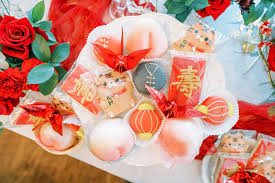
    • Red eggs and ang ku kueh distribution
    • Home visits from relatives and friends
    • Small gatherings or restaurant meals
    • Full month gift boxes delivered to family and colleagues

    The event tends to feel rooted in family tradition, even when it’s done in a contemporary way.


    What Is a 100 Days Celebration?

    The 100 days celebration has a slightly different tone.

    While it exists in some Chinese traditions, it has also become popular more broadly across modern Asian family culture, partly influenced by Korean and regional East Asian practices. Instead of focusing on the baby surviving the first month, the 100 days celebration feels more like a milestone of growth and development.

    By this stage, the baby is more alert, parents are often less exhausted than they were during the newborn phase, and gatherings tend to feel more relaxed and social.

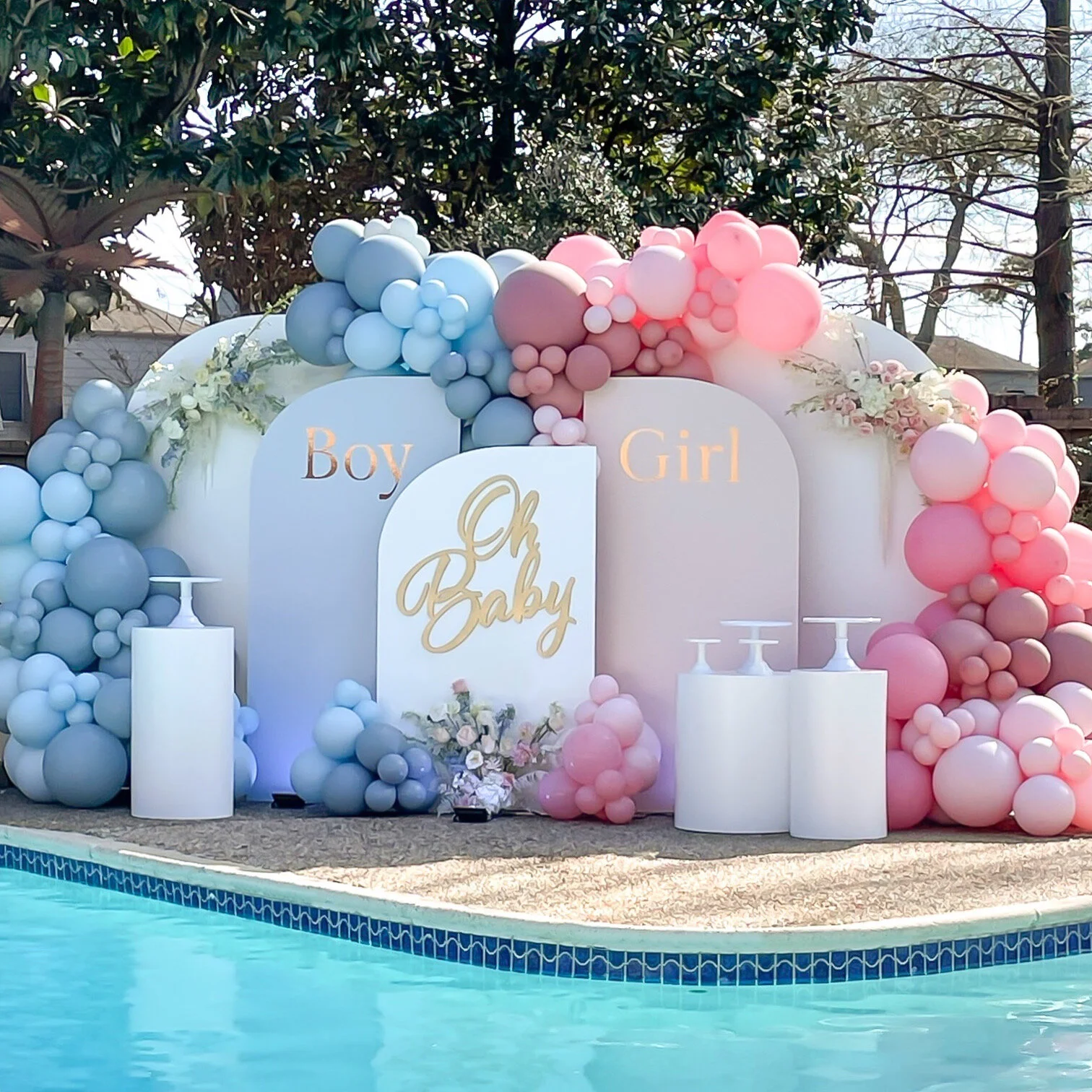
    In Singapore, 100 days parties are increasingly styled like mini birthday celebrations. Some families host them at cafés, event spaces, or restaurants with themed decorations, dessert tables, and photo areas.

    The atmosphere is often more celebratory than ceremonial.


    So, Does the Ang Bao Differ?

    In practice, yes, though the difference is subtle rather than dramatic.

    For full month celebrations, ang bao tends to follow a more traditional structure. Guests usually give moderate amounts tied to family customs and established social expectations.

    For 100 days celebrations, gifting becomes slightly more flexible. Some guests still give ang bao, while others choose presents instead, especially if the event feels more like a casual party.

    The shift is less about the amount itself and more about the tone of the occasion.


    Typical Ang Bao Amounts for Full Month Celebrations

    In Singapore, full month ang bao amounts usually fall within these ranges:

    • Around $20 to $50 for acquaintances, colleagues, or distant relatives
    • Around $50 to $100 for close friends and relatives
    • Higher amounts for immediate family or godparents

    These figures aren’t fixed rules, but they reflect common practice.

    For close family members, the amount may increase significantly depending on tradition and relationship. Grandparents, for example, often give much larger sums or gold jewellery instead of standard ang bao.

    What’s noticeable is that full month celebrations still carry a relatively traditional expectation around monetary gifting. Even when gifts are brought, ang bao remains very common.


    Typical Ang Bao Amounts for 100 Days Celebrations

    For 100 days parties, the ranges are often slightly more relaxed.

    Guests commonly give:

    • Around $20 to $50 for casual invitations
    • Around $50 to $80 for closer relationships
    • More for family members or particularly close friends

    The numbers themselves may not look dramatically different from full month celebrations, but the expectation around them feels softer.

    At 100 days parties, gifts become more common alternatives. Parents may receive baby clothes, books, toys, keepsakes, or practical baby items instead of cash.

    This is why some guests feel less pressure around ang bao at 100 days celebrations compared to full month events.


    Why Full Month Feels More Traditional

    Part of the reason lies in cultural familiarity.

    Full month celebrations have been part of Singaporean Chinese culture for generations. Most people understand the format instinctively. They know about red eggs, ang ku kueh, and visiting the baby for the first time.

    Because the custom feels established, the etiquette around ang bao also feels more defined.

    100 days celebrations, on the other hand, still feel newer and more flexible in Singapore. Different families approach them differently. Some host formal parties. Others keep things extremely casual. Some combine them with baby showers or first birthdays.

    That flexibility naturally affects how guests think about giving.


    Gifts vs Ang Bao: Which Is More Common?

    If you compare the two events directly, there’s a noticeable difference in gifting culture.

    At full month celebrations, ang bao remains the dominant gesture. Gifts exist, but cash contributions are still the norm for many guests.

    At 100 days celebrations, physical gifts become much more common. The event itself often feels more modern and social, which naturally leans toward present-giving rather than purely monetary contributions.

    That doesn’t mean ang bao is inappropriate. It simply means guests have more flexibility in how they choose to celebrate the baby.


    Does Venue Affect the Amount?

    To some extent, yes, though not as strongly as weddings.

    A small home-based full month gathering typically carries lower ang bao expectations than a restaurant-hosted event. Similarly, a 100 days party held at an upscale venue may encourage guests to give slightly more.

    Still, the relationship with the parents matters far more than the venue itself.

    People rarely calculate baby celebration ang bao based on “covering costs” in the way they do for weddings. The amounts remain symbolic rather than transactional.


    Relationship Still Matters Most

    As with almost every form of ang bao in Singapore, closeness plays the biggest role.

    A close friend’s baby will naturally receive a more generous contribution than a colleague’s child you’ve never met. Family members often give substantially more, particularly if cultural expectations within the family are stronger.

    This applies equally to both full month and 100 days celebrations.

    The difference lies more in the atmosphere of the event than in the hierarchy of relationships.


    What If You Attend Both?

    Occasionally, guests are invited to both a full month celebration and a 100 days event for the same baby.

    In these cases, most people do not give the same amount twice.

    Usually, guests will:

    • Give ang bao at the first event
    • Bring a small gift for the second
    • Or reduce the second contribution slightly

    There’s no expectation to repeat the exact same gesture at full scale. Families generally understand that guests have already celebrated the milestone once.


    The Influence of Modern Parenting Culture

    Part of what’s shaping these differences is the rise of modern parenting culture in Singapore.

    Younger parents often personalise baby celebrations heavily. Some prefer traditional customs. Others lean into café-style parties, themed photoshoots, or social media-friendly gatherings. Many combine multiple influences together.

    As a result, guests increasingly respond to the tone of the invitation rather than relying solely on tradition.

    A formal family full month gathering encourages ang bao. A playful 100 days brunch might make a gift feel more appropriate.

    Neither approach is wrong.


    A Practical Way to Decide

    If you’re unsure what to give, the easiest approach is surprisingly simple.

    For full month celebrations, ang bao is usually the safest and most common option.
    For 100 days celebrations, either ang bao or a thoughtful gift works well.

    Then adjust based on your relationship with the parents and the scale of the event.

    You don’t need to calculate precisely or compare what others are doing.


    Final Thoughts

    Baby full month and 100 days celebrations may seem similar on the surface, but they carry slightly different meanings in Singapore today.

    Full month celebrations remain more rooted in tradition, which is why ang bao feels more expected and structured. 100 days celebrations, meanwhile, often feel more modern and flexible, giving guests greater freedom to choose between gifts and cash contributions.

    In both cases, though, the core intention remains the same. You’re celebrating the arrival and growth of a child, and acknowledging an important moment for the family.

  • Ang Bao Rates for Indian Weddings in Singapore (2026 Guide)

    Ang Bao Rates for Indian Weddings in Singapore (2026 Guide)

    If you’ve grown up attending mostly Chinese weddings in Singapore, stepping into an Indian wedding can feel like entering a different kind of celebration altogether. The colours are richer, the ceremonies often stretch across multiple events, and the atmosphere carries a sense of continuity rather than a single evening’s programme. It’s not unusual to be invited to more than one segment — a solemn ceremony, perhaps a reception later on — each with its own tone and rhythm.

    Somewhere along the way, the familiar question returns.

    How much ang bao should I give?

    Unlike Chinese hotel banquets, where ang bao amounts are often discussed openly and even documented online, Indian wedding gifting in Singapore sits in a less defined space. There are norms, certainly, but they are softer, shaped more by relationship and context than by any fixed “rate.”

    Understanding that difference is the key to getting comfortable with it.


    Is Ang Bao Even the Right Term?

    Before getting into amounts, it’s worth acknowledging something that sometimes causes confusion.

    “Ang bao” is a term rooted in Chinese tradition, referring to the red packet used for festive or celebratory giving. In Indian weddings, the practice of giving money exists as well, but it may not always take the same form. Some families use envelopes, others prefer gift boxes, and some lean toward physical presents instead of cash.

    In Singapore, where cultures overlap and influence one another, the term “ang bao” is often used broadly to refer to monetary gifts across different communities. So while the format may vary slightly, the intention is familiar.

    You’re offering a blessing in a form that is practical and appreciated.


    The Philosophy Behind Giving

    One of the biggest differences between Indian weddings and Chinese banquets in Singapore lies in how giving is perceived.

    There’s no strong expectation to “cover your seat.”

    Indian weddings are not typically structured around a per-table cost that guests are expected to match. The emphasis leans more toward celebration and hospitality. Guests are invited to take part, to witness rituals, to share food and conversation, rather than to contribute toward a fixed expense.

    Because of that, monetary gifts are viewed more as tokens of goodwill than calculated contributions.

    This changes the tone of the entire decision. It removes the pressure to match a specific number and replaces it with something more personal.


    Typical Ang Bao Amounts for Indian Weddings

    Even without rigid rules, certain patterns have emerged over time in Singapore.

    For acquaintances or more casual relationships, many guests give around $50 to $80. This range feels respectful without being excessive, especially if you’re attending out of courtesy or through a broader social connection.

    For friends, the amount often rises to somewhere between $80 and $150, depending on how close you are to the couple. At this level, the gesture starts to reflect a more personal connection.

    For close friends or extended family, it’s not uncommon to see amounts in the $150 to $300 range, sometimes higher. Immediate family members may give significantly more, though those contributions are usually understood within the family rather than as public benchmarks.

    What stands out here is the range. It’s wider than what you might see for structured banquet weddings, and that flexibility is part of the culture.


    Why the Range Is More Flexible

    Indian weddings in Singapore vary widely in scale and setting.

    Some are held in temples or community halls, with a focus on traditional rituals and a steady flow of guests throughout the day. Others take place in hotels or event spaces, where the format feels closer to a Western-style reception with a formal dinner.

    Because of this variety, there isn’t a single reference point for cost.

    Guests don’t usually calculate their ang bao based on the venue. Instead, they rely more on their relationship with the couple and the tone of the event.

    Even at hotel receptions, where costs may be comparable to Chinese banquets, the expectation to match those costs is not as strong. People may give slightly more in these settings, but the approach remains flexible.


    Relationship Matters More Than Venue

    If there’s one consistent factor in Indian wedding ang bao, it’s relationship.

    A close friend getting married at a modest venue might receive a higher amount than an acquaintance hosting a larger event. The emotional connection carries more weight than the setting.

    This is why guests often decide their ang bao before they even consider the venue. They think about how well they know the couple, how involved they’ve been in their lives, and how they personally want to mark the occasion.

    The venue becomes secondary.


    One Event or Multiple Celebrations?

    Indian weddings often involve more than one event, and this can raise another question.

    Do you give ang bao for each event?

    In most cases, the answer is no.

    If you’re invited to multiple parts of the wedding, you typically give once, usually at the main reception or at the first event you attend. The gesture covers your participation in the overall celebration rather than each individual gathering.

    If you’re only attending one segment, then you give at that event as you normally would.

    There’s no expectation to repeat the gesture multiple times.


    Gifts vs Ang Bao

    Unlike Chinese weddings, where ang bao is the dominant form of giving, Indian weddings in Singapore still see a mix of gifts and monetary contributions.

    Some guests prefer to bring physical gifts, especially if they know the couple well. Household items, keepsakes, or even curated gift sets are common choices.

    Others opt for cash because it offers flexibility. It allows the couple to decide how best to use it, whether for their new home, travel plans, or other priorities.

    There’s no strong preference that overrides the other. Both are accepted, and both carry the same underlying intention.


    Cultural Considerations

    There are also small cultural nuances that guests sometimes take into account.

    For example, certain numbers may be preferred in some Indian traditions, particularly those that are considered auspicious. While this isn’t as widely standardised as Chinese numerology, some guests choose rounded or symbolic amounts that feel appropriate.

    In terms of presentation, envelopes are usually simple. There’s no strict requirement to use a particular colour or design, though many choose something festive or elegant.

    These details are secondary, but they can add a thoughtful touch.


    How Ang Bao Is Given

    The process itself is usually straightforward.

    At receptions, there may be a table or a designated area where gifts and envelopes are collected. In more traditional settings, guests may hand the envelope directly to the couple or to family members.

    There’s no formalised system like a registration desk with assigned roles. The exchange tends to feel more personal and less structured.

    A brief congratulatory message accompanies the gesture, often simple and direct. The focus is on the interaction rather than the mechanics of giving.


    What If You’re Not Familiar With the Culture?

    For non-Indian guests, attending an Indian wedding in Singapore can come with a degree of uncertainty.

    The customs may feel unfamiliar, and the lack of a clear ang bao “rate” can make the decision seem more complicated than it is.

    In reality, expectations are quite forgiving.

    Giving within the general ranges mentioned earlier is more than sufficient. There’s no need to match what you imagine others might be giving, and no need to overthink the amount.

    Your presence at the celebration is valued, and the gesture of giving, in whatever form it takes, is appreciated.


    When You Might Give More

    There are moments when guests choose to be more generous.

    If you’re particularly close to the couple, or if you’ve been part of their journey in a meaningful way, giving a higher amount feels natural. Some guests also give more if they attend multiple events or if the wedding itself is especially significant within their social circle.

    Again, these decisions are personal. They aren’t driven by expectation, but by how you feel about the occasion.


    A Practical Way to Decide

    If you’re unsure where to land, a simple approach works well.

    Start with your relationship to the couple. That’s your anchor. Then consider the scale and tone of the wedding, not as a calculation, but as a general reference. Finally, choose an amount that feels comfortable within your own means.

    There’s no need to match a perceived standard or to fine-tune every detail.


    Final Thoughts

    Ang bao for Indian weddings in Singapore reflects a different kind of balance. It isn’t structured around cost in the same way as other wedding traditions, and that makes it both more flexible and, at times, slightly harder to pin down.

    Most guests give somewhere between $50 and $150, adjusting upward for closer relationships. Beyond that, the range opens up, shaped by personal connection rather than fixed expectations.

    What matters, in the end, is not the precision of the number.

    It’s the intention behind it.

  • Ang Bao for Last-Minute Wedding Invitations in Singapore

    Ang Bao for Last-Minute Wedding Invitations in Singapore

    There’s a particular kind of wedding invitation that feels slightly different the moment you receive it. It doesn’t arrive weeks in advance with carefully printed cards and RSVP deadlines. Instead, it comes closer to the date. Sometimes just a few days before. Occasionally even the week of the wedding.

    It might be a message, a quick call, or a forwarded invite with a brief explanation.

    “We had a last-minute opening.”
    “Someone couldn’t make it.”
    “We realised we hadn’t invited you earlier.”

    And once you’ve agreed to attend, another question begins to settle in.

    What about the ang bao?

    In Singapore, where wedding ang bao has developed its own quiet structure over time, last-minute invitations can feel like they fall outside the usual rules. You didn’t plan for it. You may not even know the venue well enough to estimate the standard rate. The timing alone can make the whole situation feel slightly awkward.

    Still, the etiquette around this is more forgiving than most people expect. Once you understand how others approach it, the decision becomes much less complicated.


    Why Last-Minute Invitations Happen

    Before getting into ang bao, it helps to understand the context.

    Weddings in Singapore, especially those held in hotels or banquet venues, are planned with a fixed number of tables. Each table typically seats ten guests, and once RSVPs come in, couples often find themselves adjusting numbers to avoid empty seats.

    That’s where last-minute invitations come in. If a guest drops out, or if the couple realises they can accommodate a few more people, they may extend invitations closer to the date.

    It’s not always about hierarchy or importance. Sometimes it’s logistical. Sometimes it’s simply a matter of timing.

    Understanding this helps frame the situation. You’re not necessarily an afterthought. You’re part of the final arrangement.


    Is Ang Bao Still Expected?

    The short answer is yes.

    Even for last-minute invitations, ang bao is still expected if you attend the wedding. The fundamental idea doesn’t change. You’re still taking up a seat, still part of the celebration, still included in the overall arrangement.

    From the couple’s perspective, the cost per guest remains the same, regardless of when the invitation was sent. So the general expectation around ang bao still applies.

    That said, expectations here are softer than people assume. The timing of the invitation does influence how guests approach the amount, even if it isn’t explicitly discussed.


    The Usual Baseline Still Applies

    Most people begin with the same starting point they would use for any wedding.

    They look at the venue. A hotel ballroom suggests a higher range, while a restaurant or more casual setting suggests a lower one. Lunch tends to be slightly less than dinner.

    This baseline remains relevant even for last-minute invitations. It gives you a practical reference point.

    If the wedding is at a mid-tier hotel, you might think in the range of $200 to $250 per person. For higher-end venues, it could be more. For simpler settings, less.

    The difference comes in how strictly you follow that baseline.


    Where Flexibility Comes In

    With last-minute invitations, many guests feel less pressure to match the exact “market rate.”

    There’s an understanding, even if it’s unspoken, that the situation is different. You didn’t plan for this weeks in advance. You may not have had time to prepare. The invitation itself came with a certain spontaneity.

    Because of that, people often allow themselves a bit of flexibility.

    Instead of aiming for the upper end of the range, they might settle somewhere in the middle. Or even slightly below, depending on their relationship with the couple.

    This isn’t seen as inappropriate. It’s part of how people naturally adjust to context.


    Relationship Still Matters

    Even in a last-minute scenario, your relationship with the couple remains one of the strongest factors.

    If you’re close to them, a friend, a colleague you interact with daily, someone you’ve known for years, you might still give an amount similar to what you would have given if you’d been invited earlier.

    The timing doesn’t change the relationship.

    On the other hand, if the connection is more distant, the last-minute nature of the invitation tends to reinforce that distance. In those cases, many guests feel comfortable giving a more moderate amount.

    It’s less about reducing the ang bao and more about aligning it with the level of connection.


    The Reality of How Guests Decide

    In practice, people don’t sit down and calculate precise adjustments for last-minute invitations.

    They rely on instinct.

    A quick mental estimate of the venue. A sense of how close they are to the couple. A glance at their own budget, especially if multiple weddings are happening around the same time.

    From there, they pick a number that feels reasonable.

    It might be slightly lower than the standard range. It might be right in the middle. Occasionally, it might be exactly the same as a regular invitation.

    There’s no single correct answer, and that’s what makes the situation easier than it first appears.


    Should You Feel Obligated to Attend?

    This is another question that often comes up alongside ang bao.

    Receiving a last-minute invitation can create a sense of obligation, especially if the couple makes an effort to include you at the final stage. At the same time, the timing can be inconvenient. Plans may already be set. Schedules may be tight.

    It’s worth remembering that attendance is still optional.

    You’re not required to accept just because the invitation was extended. If you can’t make it, a polite decline is perfectly acceptable.

    If you do attend, then the ang bao question naturally follows. But if the timing doesn’t work, it’s better to decline than to attend reluctantly.


    What If You Decide to Give Less?

    This is often the underlying concern.

    Will the couple notice? Will it seem inappropriate? Will it reflect badly on you?

    In most cases, the answer is no.

    Couples don’t usually analyse ang bao contributions at a granular level. They may have a general sense of what guests typically give, but individual variations rarely stand out.

    For last-minute invitations, there’s even more leeway. The context itself explains why amounts may differ slightly.

    As long as your ang bao falls within a reasonable range for the venue and your relationship, it won’t feel out of place.


    The Social Side of It

    It’s easy to think of ang bao as a purely financial gesture, but there’s a social dimension that often gets overlooked.

    Attending a wedding, especially on short notice, carries its own value. You made the time. You showed up. You participated in a moment that matters to the couple.

    That presence isn’t insignificant.

    For many couples, having a full table, seeing familiar faces, and feeling that people are there to celebrate with them matters just as much as the ang bao itself.


    A Practical Way to Approach It

    If you find yourself navigating a last-minute invitation, a simple approach works best.

    Start with the venue. Use that to estimate a general range.
    Think about your relationship with the couple.
    Adjust slightly if the timing of the invitation makes you feel it’s appropriate.

    Then choose a number that feels comfortable.

    There’s no need to overthink it or try to fine-tune every detail.


    Final Thoughts

    Last-minute wedding invitations sit outside the usual rhythm of planning, and that’s what makes them feel slightly uncertain. The ang bao question becomes part of that uncertainty.

    In reality, the expectations are more flexible than people assume.

    Yes, ang bao is still expected if you attend. But the amount doesn’t need to be perfectly aligned with standard guides. Context matters. Timing matters. Relationship matters.

    Most guests settle somewhere within a reasonable range and leave it at that.

    And in the end, the gesture serves the same purpose it always has.

    You’re there to celebrate, to support, and to be part of the moment, even if you joined it a little later than expected.

  • Singaopre Wedding Ang Bao: Close Friends vs Colleagues vs Acquaintances

    Singaopre Wedding Ang Bao: Close Friends vs Colleagues vs Acquaintances

    If there’s one thing Singaporeans tend to agree on about weddings, it’s that ang bao isn’t just about the venue. It’s also about the relationship.

    You can attend two weddings at the exact same hotel, sit through identical menus, and still give completely different amounts. Not because the cost changed, but because your connection to the couple did.

    And yet, this is where many people hesitate.

    Should I give more because we’re close? Is it okay to give less if we’re not? What happens if I’m somewhere in between?

    These questions come up often, especially when the relationship isn’t clearly defined. A colleague who became a friend. A friend you haven’t seen in years. A distant acquaintance who invited you out of courtesy.

    In Singapore, wedding ang bao does follow certain patterns, but it isn’t rigid. Once you understand how relationship fits into the equation, the decision becomes far more intuitive, and far less stressful.


    Why Relationship Matters in Ang Bao Giving

    The idea of “covering your seat” is often used as a baseline in Singapore weddings. It gives people a rough starting point, especially for hotel banquets where costs are relatively predictable.

    But that’s only one part of the picture.

    Ang bao isn’t purely transactional. It’s also relational. It reflects how close you are to the couple, how involved you’ve been in their lives, and how you personally value the invitation.

    This is why two guests at the same table can give very different amounts without anyone questioning it. The numbers are shaped by context, not just cost.


    Starting With the Baseline

    Before adjusting for relationship, most people begin with a general range based on the venue.

    For a mid-tier hotel dinner, that might mean around $200 to $250 per person. For a higher-end venue, it could be closer to $280 or more. Lunch weddings usually sit slightly lower.

    This baseline gives you a reference point. It answers the practical side of the question.

    From there, relationship begins to influence the final amount.


    Close Friends: When It Feels Personal

    When the couple are close friends, ang bao naturally takes on a different meaning.

    You’re not just attending because you were invited. You’re there because you’ve been part of their lives. You’ve seen the relationship develop, maybe even met them as a couple early on. The wedding feels like a shared milestone.

    In these situations, many people give slightly above the baseline.

    If the typical range for the venue is $220, you might give $250 or $268. The increase isn’t dramatic, but it signals something more personal.

    Some close friends also consider other factors. Did you attend pre-wedding events? Were you part of the bridal party? Did the couple go out of their way for your own milestones?

    All of these subtly shape how people approach ang bao.

    That said, giving more doesn’t mean stretching beyond your comfort. The gesture is meant to reflect closeness, not create pressure.


    Colleagues: The Middle Ground

    Colleague weddings are where things tend to feel less clear.

    Work relationships vary widely. Some colleagues are close friends in everything but name. Others are people you interact with occasionally, but not outside the office.

    For colleagues, most people stick close to the baseline.

    If the typical ang bao is $200, giving within that range feels appropriate. There’s usually no expectation to go significantly higher, unless the relationship has moved beyond work.

    This is also where context matters.

    If the invitation feels more formal, perhaps extended to a broader group within the company, the ang bao tends to remain standard. If it’s a smaller, more personal invitation, the amount may shift slightly upward.

    But in general, colleague weddings sit comfortably in the middle. Neither especially high nor particularly low.


    Acquaintances: Keeping It Simple

    Acquaintance weddings often come with the most uncertainty.

    You might not be particularly close, but you were invited out of courtesy, shared history, or mutual connections. It’s the kind of invitation that feels polite rather than personal.

    In these cases, many people lean toward the lower end of the venue’s range.

    If the baseline is $220, giving $180 or $200 is generally acceptable. The adjustment reflects the level of connection without disregarding the overall context of the wedding.

    Some guests also make a broader decision here. If the relationship is very distant, they may choose not to attend at all, rather than attend and feel unsure about the ang bao.

    But if you do attend, a modest, reasonable amount is enough.


    The Subtle Adjustments People Make

    What’s interesting about ang bao in Singapore is how rarely people follow exact formulas.

    Instead, they make small adjustments based on instinct.

    A close friend might receive $30 or $50 more than the baseline. An acquaintance might receive slightly less. A colleague sits somewhere in between.

    These adjustments are rarely discussed openly, but they’re widely understood.

    No one expects you to double the amount for a close friend or halve it for an acquaintance. The differences are usually subtle, and that’s what keeps the system balanced.


    When Relationship Overrides the Venue

    There are moments when relationship becomes more important than the venue itself.

    If a very close friend is getting married at a high-end hotel, you may already expect to give more because of the venue. But your closeness might push you to give even more than the typical range.

    On the other hand, if you’re attending a wedding at a premium venue but the relationship is distant, you might still stay at the lower end of the range.

    This is where personal judgment comes in.

    The venue sets the context, but the relationship often determines where within that context you land.


    Couples and Shared Ang Bao

    For couples attending weddings together, the same principles apply, just adjusted for two people.

    Most couples give one ang bao with a combined amount. If the per-person baseline is $200, they might give $380 or $400 together, then adjust slightly based on their relationship with the couple.

    If both individuals are close to the couple, the amount may lean higher. If only one person is connected, it may stay closer to the standard range.

    Again, the adjustment is usually small, not dramatic.


    What About Financial Comfort?

    This is an aspect that often goes unspoken, but it matters.

    Not everyone is in the same financial position, and most couples understand that. Giving ang bao should not feel like a burden, regardless of your relationship to the couple.

    If the typical range feels high, it’s acceptable to adjust within your means. Presence still carries weight. Being there, showing up, and celebrating with the couple is not insignificant.

    Most people remember who attended, not who gave the highest amount.


    The Emotional Side of It

    It’s easy to treat ang bao as a calculation, especially in Singapore where the topic is often discussed in practical terms.

    But when you step back, the meaning is quite simple.

    For close friends, it’s a way of marking a shared milestone.
    For colleagues, it’s a gesture of goodwill and respect.
    For acquaintances, it’s a polite acknowledgment of the invitation.

    The amount changes slightly depending on the relationship, but the underlying gesture remains the same.


    A Simple Way to Decide

    If you’re unsure where you fall, it helps to simplify the process.

    Start with the venue. That gives you a baseline.
    Think about your relationship with the couple.
    Adjust slightly up or down based on that.

    Then stop there.

    There’s no need to refine it further or compare with others.


    Final Thoughts

    Wedding ang bao in Singapore is often described as structured, but in reality, it’s more flexible than people think.

    Close friends, colleagues, and acquaintances all sit within the same framework, just at slightly different points along the spectrum. The differences are subtle, guided by relationship rather than rigid rules.

    If you keep that in mind, the process becomes much easier.

    You’re not trying to get the number exactly right.

    You’re simply matching the gesture to the relationship.

  • Ang Bao for Tuition Teachers: Is It Expected in Singapore?

    Ang Bao for Tuition Teachers: Is It Expected in Singapore?

    In Singapore, tuition sits somewhere between education and routine. It’s part of weekly life for many families, woven into school schedules, exam preparation, and the quiet pressure to keep up. Over time, tuition teachers become familiar figures. They see your child struggle through a topic, improve gradually, sometimes even gain confidence where there was none before.

    So when festive seasons come around, especially Chinese New Year, a small question tends to surface.

    Should we give ang bao to tuition teachers?

    It’s not something openly discussed, and there’s no standard guide you can point to. Unlike weddings or family gatherings, where ang bao expectations are widely understood, this falls into a more ambiguous space. Some families give, others don’t, and most people make the decision quietly, based on instinct rather than rules.

    Still, there are patterns. And once you understand how people in Singapore tend to approach this, the decision becomes easier, and far less awkward.


    Is Ang Bao Expected for Tuition Teachers?

    The short answer is no, it’s not strictly expected.

    Tuition teachers are paid professionals. They charge for their time, their expertise, and the results they deliver. From a purely transactional perspective, there’s no obligation to give anything beyond the agreed fees.

    And yet, many families do give ang bao.

    That’s where the nuance comes in. It isn’t about obligation, but appreciation. For some parents, it feels natural to extend a festive gesture to someone who has played a meaningful role in their child’s progress. For others, it feels unnecessary, especially if the relationship is more formal.

    Both approaches are widely accepted.


    Why Some Families Choose to Give

    If you speak to parents who regularly give ang bao to tuition teachers, the reasons tend to be similar.

    It’s rarely about following a custom. It’s more about acknowledging effort over time.

    A good tuition teacher doesn’t just go through worksheets. They adapt to the child, adjust pacing, revisit weak areas, and sometimes manage emotions as much as academics. Over months or even years, that involvement starts to feel personal.

    Giving ang bao, in that context, becomes a way of saying thank you. Not in a grand sense, but in a small, thoughtful one.

    There’s also the influence of broader cultural habits. In Singapore, ang bao is used to mark relationships that extend beyond immediate family. Teachers, mentors, and service providers sometimes fall into that extended circle, depending on how the relationship develops.


    When It Feels More Appropriate

    Not every tuition arrangement carries the same weight. The decision to give ang bao often depends on how the relationship has evolved.

    If your child has been seeing the same tutor for several years, especially one who has helped them through key exams like PSLE, O-Levels, or A-Levels, the gesture feels more natural. There’s history there, and a sense that the teacher has contributed meaningfully to your child’s journey.

    Home tutors also tend to fall into this category more often than large tuition centres. When someone comes into your home regularly, interacts directly with your child, and becomes part of your weekly routine, the relationship tends to feel more personal.

    In contrast, if your child attends a large group class at a tuition centre, where interaction is limited and teachers rotate frequently, ang bao is far less common. The setting feels more institutional, and the relationship more distant.


    Situations Where It’s Less Common

    There are also plenty of scenarios where families choose not to give ang bao, and this is completely normal.

    If the tuition arrangement is short-term, perhaps just a few months before exams, the connection may not feel strong enough to warrant a separate gesture.

    Similarly, if the interaction with the teacher is minimal, limited to lesson time with little personal engagement, most parents simply stick to paying the agreed fees.

    There’s also a practical consideration. With multiple subjects and multiple tutors, giving ang bao to each one can quickly add up. Some families prefer to keep things simple and consistent rather than selectively giving.


    Typical Ang Bao Amounts for Tuition Teachers

    For those who do give, the amounts tend to be modest.

    Most families in Singapore give somewhere between $20 and $80, depending on the closeness of the relationship and the length of time the teacher has been involved.

    At the lower end, $20 to $30 is common for casual arrangements or newer tutors. It’s a small but polite gesture, acknowledging the festive season without making it feel overly significant.

    For long-term tutors, especially those who have worked closely with the child over several years, amounts between $50 and $80 are more typical. Some families may go slightly higher, particularly if the tutor has played a key role in exam preparation.

    There’s no expectation to match tuition fees or calculate a proportion. The amount is symbolic rather than structured.


    Does the Occasion Matter?

    Most ang bao for tuition teachers is given during Chinese New Year. The timing feels natural, and the cultural context supports it.

    Outside of festive periods, ang bao is much less common. If parents want to show appreciation at other times, they usually opt for different gestures, such as a small gift, a thank-you note, or even a simple verbal acknowledgment.

    Occasion, in this case, provides a framework. Without it, the gesture can feel less defined.


    What About Non-Chinese Teachers?

    Singapore’s multicultural setting means that not all tuition teachers observe Chinese New Year, and this sometimes raises questions.

    In practice, ang bao is still given across cultural lines, but it’s done with a bit more awareness.

    Some parents prefer to frame it simply as a token of appreciation rather than a cultural gesture. Others choose alternatives, like small gifts, if they feel it’s more appropriate.

    There’s no strict rule here. The key is sensitivity and a sense of what would feel comfortable for both sides.


    Should Students Give It Themselves?

    In many cases, parents prepare the ang bao but ask the child to pass it to the teacher.

    This small detail matters more than it seems. It turns the gesture into something the student participates in, rather than something handled entirely by the parent.

    For older students, especially teenagers, giving the ang bao themselves can also reinforce a sense of appreciation. It becomes less about the envelope and more about acknowledging the teacher directly.


    Alternatives to Ang Bao

    Not every family is comfortable with giving cash, and that’s perfectly fine.

    Some prefer to give small gifts instead. This might be something simple, like snacks, a handwritten card, or a token item during festive periods.

    Others express appreciation in more practical ways. A genuine thank-you message at the end of a term, a note after exam results, or even continued engagement over time can carry just as much meaning.

    In some cases, consistency itself becomes the gesture. Showing up regularly, respecting the teacher’s time, and maintaining communication are all forms of respect that don’t require an envelope.


    How Tuition Teachers Typically View It

    From the teacher’s perspective, ang bao is generally seen as a bonus rather than an expectation.

    Most professional tutors don’t anticipate it, and many would continue teaching in exactly the same way regardless of whether it’s given.

    When it does happen, it’s appreciated, but not assumed.

    This is an important point to keep in mind. The gesture doesn’t define the relationship. It simply adds a layer of goodwill where it already exists.


    Avoiding Overthinking

    Part of the uncertainty around this topic comes from trying to apply structured ang bao logic to a situation that doesn’t require it.

    There’s no table rate, no widely accepted benchmark, no social comparison happening behind the scenes. What one family does has little bearing on what another chooses.

    Once you step away from the idea of “getting it right,” the decision becomes more straightforward.

    If it feels appropriate to you, give. If it doesn’t, don’t.


    A Simple Way to Decide

    If you’re still unsure, a few questions can help.

    How long has the tutor been teaching your child?
    How involved are they in your child’s progress?
    Does the relationship feel purely transactional, or something more personal?

    If the answers lean toward a stronger connection, giving a small ang bao during Chinese New Year is a thoughtful gesture. If not, there’s no need to force it.


    Final Thoughts

    Ang bao for tuition teachers in Singapore sits in a grey area, shaped more by personal judgment than by tradition. It isn’t expected, and it isn’t necessary, but it can feel appropriate in the right circumstances.

    Most families who give do so quietly, without overthinking the amount or the meaning. It’s simply a way of acknowledging someone who has contributed, in their own way, to a child’s growth.

    And if you choose not to give, that’s equally acceptable.

    In the end, what matters most is the relationship itself, and the respect that comes with it.

  • What If You Forgot to Bring Ang Bao to a Wedding in Singapore?

    What If You Forgot to Bring Ang Bao to a Wedding in Singapore?

    It’s one of those small but surprisingly stressful moments. You’ve dressed up, you’ve arrived at the venue, you’re about to walk toward the reception table — and then it hits you.

    You forgot the ang bao.

    For something that feels so routine in Singapore, the absence of it can suddenly feel very noticeable. Weddings here come with a set of unspoken expectations, and ang bao sits right at the centre of it. It’s not just a gesture. It’s part of the social fabric of attending a wedding.

    Still, forgetting happens. People rush from work, misplace envelopes, assume someone else brought it, or simply have too many things on their mind. The question isn’t whether it’s ideal. It’s what to do next, and more importantly, whether you’ve broken some kind of unwritten rule.

    The short answer is no. You haven’t ruined anything. But there are better ways to handle it than pretending nothing happened.


    First, Take a Step Back

    Before reacting, it helps to understand what ang bao actually represents in a Singapore wedding context.

    Yes, there’s a practical side. Guests often estimate their ang bao based on the cost of the banquet, and there’s a shared understanding that contributions help offset expenses. That’s where all the talk about “covering your seat” comes from.

    But there’s also a social layer. Ang bao is a gesture of participation. It signals that you’re part of the celebration, that you recognise the occasion and are showing up fully for it.

    Forgetting it doesn’t erase your presence. You’re still there. You still made the effort to attend. And in most cases, that matters more than people assume in the moment.


    Is It Considered Rude?

    This is the question most people worry about.

    In Singapore, not giving ang bao at a wedding can be seen as unusual, especially if it’s intentional. But forgetting it is different. It’s understood as a mistake, not a statement.

    Hosts are rarely tracking who gave what in real time. The ang bao box collects envelopes without immediate scrutiny, and most couples only review them after the wedding. By then, individual moments at the reception table are long forgotten.

    So no, it’s not considered rude in the sense of being offensive. It’s simply something you’ll want to follow up on.


    What You Should Do Immediately

    When you realise you’ve forgotten the ang bao, the instinct might be to panic or draw attention to it. There’s no need for that.

    The simplest approach is often the best. Proceed as you normally would. Greet the couple, sign the guest book if there is one, and take part in the celebration.

    There’s no requirement to announce that you forgot. Doing so can actually make the situation more awkward than it needs to be.

    Most experienced guests handle it quietly. They attend the wedding as usual, then make arrangements afterward.


    Option 1: Send the Ang Bao After the Wedding

    This is the most common and widely accepted solution.

    If you forgot to bring your ang bao, you can simply send it after the wedding. Many people do this, not just because they forgot, but sometimes because they were unable to attend or wanted to transfer the amount digitally.

    Timing matters a little here. Sending it within a few days of the wedding feels natural. It shows that you didn’t forget the gesture entirely, just the logistics of bringing it on the day.

    You can either:

    • Transfer the amount via PayNow or bank transfer
    • Pass a physical ang bao to the couple when you see them next
    • Send it through a mutual friend if that feels easier

    A short message usually accompanies it. Something simple like, “I realised I forgot to pass you the ang bao that day, congratulations again,” is more than enough.

    There’s no need to over-explain.


    Option 2: Transfer Digitally on the Same Day

    In today’s context, this is becoming more common.

    If you realise early enough, you can transfer the ang bao amount digitally during the event or shortly after. Many couples now include PayNow details in their invitations, or guests can easily ask for them.

    This option works especially well if you prefer to settle things quickly. It avoids the need for follow-up later and keeps the gesture aligned with the timing of the wedding.

    Still, not everyone chooses this approach. Some feel that sending it afterward feels more considered, especially if they want to include a message.


    Option 3: Give It When You See Them Next

    If you’re close to the couple, there’s another option that feels quite natural.

    You can simply give the ang bao the next time you meet them.

    This works well in situations where you know you’ll see them soon, perhaps at a post-wedding gathering, a casual meetup, or even at work if they’re colleagues.

    In these cases, the delay doesn’t feel unusual. It becomes part of a normal social interaction rather than a formal correction.


    Should You Apologise?

    This is where tone matters more than content.

    A brief acknowledgment is appropriate, but it doesn’t need to be dramatic. You don’t need to frame it as a major mistake or apologise excessively.

    Something along the lines of, “I completely forgot to bring it that day, sorry about that,” is sufficient. It shows awareness without turning it into a bigger issue.

    Most couples will respond casually. They understand that these things happen.


    What If You Don’t Send It at All?

    This is where things shift slightly.

    Forgetting to bring ang bao is one thing. Not following up at all is another.

    In Singapore’s wedding culture, ang bao is still expected from guests who attend. If it’s not given at all, it may be noticed later, especially if the couple is reviewing contributions.

    This doesn’t mean relationships will be damaged over a single instance, but it can leave a small impression. Not a dramatic one, but enough to feel slightly out of place.

    That’s why following up matters. It closes the loop and keeps things aligned with expectations.


    Does It Depend on Your Relationship?

    Very much so.

    If you’re a close friend or family member, the absence of ang bao is less likely to be interpreted negatively. The relationship carries more weight than the gesture itself.

    For colleagues or acquaintances, the expectation can feel a bit more defined. In these cases, following up becomes more important.

    Still, even here, context matters. People understand that mistakes happen. The way you handle it afterward is what shapes the impression.


    What About Plus-Ones?

    If you attended as someone’s plus-one and the ang bao was handled by your partner, then forgetting isn’t really an issue.

    But if you were expected to contribute jointly and neither of you brought it, the same follow-up approach applies. A shared ang bao can be sent afterward without complication.

    This is another reminder that ang bao is often treated as a collective gesture rather than an individual one.


    Why This Feels More Stressful Than It Is

    Part of the anxiety comes from how structured ang bao culture can feel in Singapore.

    There are guides, tables, venue-based rates, and endless discussions about what’s appropriate. Over time, this creates the impression that everything must be done perfectly.

    In reality, social situations are far more forgiving.

    People remember who attended, who celebrated with them, who took the time to show up. The ang bao matters, but it doesn’t define the entire experience.

    Forgetting it feels significant in the moment because it disrupts a familiar routine. But it’s easily resolved.


    A Simple Way to Handle It

    If you find yourself in this situation, keep it straightforward.

    Attend the wedding as planned. Don’t draw attention to the mistake. Send the ang bao afterward, either digitally or in person. Include a short, casual message.

    Then move on.

    There’s no need to dwell on it or replay the moment in your head.


    Final Thoughts

    Forgetting to bring ang bao to a wedding in Singapore feels like a bigger issue than it actually is. It’s a moment of inconvenience, not a breach of etiquette that can’t be fixed.

    The key lies in what you do next.

    Following up, in a simple and timely way, restores the gesture. It shows that you recognise its importance, even if the timing wasn’t ideal.

  • Ang Bao Rates for Malay Weddings in Singapore (2026 Guide)

    Ang Bao Rates for Malay Weddings in Singapore (2026 Guide)

    If you’ve attended mostly Chinese weddings in Singapore, walking into your first Malay wedding can feel like stepping into a completely different rhythm. The atmosphere is warmer, more open, often less formal. Guests come and go more freely, conversations feel less structured, and the celebration itself carries a strong sense of community rather than ceremony.

    And somewhere in the middle of that experience, a familiar question surfaces again, though this time with a slightly different tone.

    How much ang bao should I give?

    The answer isn’t as straightforward as many expect, especially if you’re used to the “cover your seat” mindset that defines Chinese wedding banquets. Malay weddings follow a different cultural logic altogether, and once you understand that shift, the numbers begin to make more sense.


    A Different Philosophy Behind Ang Bao

    One of the most important things to understand about Malay weddings in Singapore is this: ang bao is appreciated, but it is not central to the event in the same way it is for other cultures.

    In fact, there is no strict expectation to “pay for your seat.” The wedding is not structured around recouping banquet costs. Instead, it’s rooted in hospitality. Guests are welcomed, fed, and celebrated as part of a larger communal gathering.

    This is why ang bao, often referred to as duit salam in Malay contexts, feels more like a gesture of goodwill rather than a calculated contribution.

    That distinction changes everything. It softens expectations, removes pressure, and shifts the focus back to presence rather than precision.


    Typical Ang Bao Rates for Malay Weddings

    Because of this more relaxed approach, ang bao amounts at Malay weddings tend to be lower and more flexible compared to Chinese hotel banquets.

    For most guests in Singapore, the following ranges are commonly observed:

    • Around $20 to $50 for friends or colleagues
    • Around $50 to $100 for close friends or relatives
    • Higher amounts for immediate family or very close relationships

    These figures aren’t fixed guidelines. They reflect general practice rather than expectation. In many cases, even smaller amounts are accepted without judgment, particularly for community-style weddings.


    Why Malay Wedding Ang Bao Is Lower

    If you compare these numbers to Chinese wedding ang bao, the difference is quite noticeable. That difference comes down to structure and intent.

    Traditional Malay weddings in Singapore are often held in:

    • HDB void decks
    • Community spaces
    • Mosque compounds
    • Modest venues with open seating

    These settings don’t carry the same per-table cost structure as hotel ballrooms. There’s no fixed seat allocation, no ten-course banquet tied to a per-person price. Guests may come in waves rather than sit through a full program.

    Because of that, the idea of matching a specific cost per guest simply doesn’t apply.

    Even when Malay weddings are held at restaurants or hotels, the cultural mindset doesn’t fully shift toward strict ang bao expectations. Guests may give slightly more, but the spirit remains the same.


    Venue Still Plays a Role

    That said, venue does influence ang bao, just in a more subtle way.

    For a traditional void deck wedding, many guests give around $10 to $30, especially if they’re not particularly close to the couple.

    For weddings held at country clubs or larger venues, the amount typically rises to around $30 to $50.

    If the wedding is held at a hotel or more upscale venue, it’s common to see ang bao in the $50 to $100 range, especially among close friends or relatives.

    The key difference is that these adjustments are flexible. They don’t carry the same pressure as hotel wedding ang bao in other cultures.


    Relationship Matters More Than Anything

    If there’s one factor that consistently influences ang bao at Malay weddings, it’s relationship.

    A close friend may give $100 even at a simple void deck wedding. A distant acquaintance might give $20 even at a hotel reception. Both are acceptable.

    There’s no expectation to match what others are giving. No quiet comparison happening across tables. The amount reflects your connection to the couple more than anything else.

    This is why Malay weddings often feel less stressful from a financial perspective. The emphasis remains on sincerity rather than standardisation.


    The Role of Simplicity and Community

    Spend some time at a Malay wedding, and you start to notice the differences beyond just ang bao.

    Guests don’t always stay for hours. Some drop by, offer their congratulations, eat, and leave. Others stay longer, especially if they are close to the family. The flow feels organic rather than structured.

    In that setting, ang bao becomes just one part of a larger exchange. It’s not the centrepiece.

    What matters is showing up, greeting the couple, sharing a meal, and being part of the celebration. The contribution follows naturally from that, rather than leading it.


    How Ang Bao Is Given

    Unlike Chinese weddings, where ang bao is often placed into a box at a registration table, Malay weddings tend to handle this more personally.

    Guests may:

    • Hand the envelope directly to the couple
    • Pass it to their parents
    • Offer it discreetly during greetings

    There’s no single format, and no emphasis on presentation. Even the envelope itself is flexible. While some use green packets to reflect Islamic traditions, others use neutral envelopes or even standard red packets without issue.

    The gesture is simple, and that simplicity carries through the entire process.


    Do You Need to Follow Auspicious Numbers?

    This is another area where Malay weddings differ significantly.

    In Chinese culture, ang bao amounts are often shaped by symbolism, with numbers like 8 associated with prosperity. At Malay weddings, there’s no equivalent system.

    You don’t need to choose specific numbers or avoid certain figures. There’s no expectation to give $88 or $168. Most people stick to practical amounts like $20, $50, or $100.

    This removes another layer of complexity, making the decision feel more straightforward.


    What If You’re Not Malay?

    For non-Malay guests, attending a Malay wedding in Singapore often comes with a bit of uncertainty. The customs feel different, and there’s a natural concern about getting things right.

    The reassuring part is that expectations are generally very forgiving.

    You don’t need to follow a strict formula. Giving within the general ranges is perfectly acceptable, and even modest contributions are appreciated.

    In many cases, your presence matters far more than the exact amount you give.


    When You Might Give More

    There are, of course, situations where people choose to be more generous.

    If the couple is particularly close to you, or if you’ve been part of their journey, giving a higher amount feels natural. Some people also give more if the wedding is held at a higher-end venue, though this is a personal choice rather than a requirement.

    Family members often give significantly more, but these contributions are usually understood within the family context rather than as public benchmarks.


    The Shift Toward Modern Weddings

    Malay weddings in Singapore have evolved over time. While many still follow traditional formats, an increasing number are held in hotels, restaurants, or curated venues.

    As this shift happens, ang bao practices are slowly adapting. Guests may give slightly higher amounts in these settings, influenced by the venue and overall experience.

    Still, the cultural foundation remains intact. Even at a hotel wedding, the expectation is not as rigid as it would be in a Chinese banquet.

    That balance between tradition and modernity is what defines Malay weddings today.


    A Simple Way to Decide

    If you’re trying to decide how much to give, the easiest approach is to keep a few things in mind.

    Think about your relationship with the couple first. That’s your anchor. Then consider the venue and the overall scale of the wedding. Finally, choose an amount that feels comfortable within your own means.

    There’s no need to calculate precisely or match any perceived “market rate.”


    Final Thoughts

    Ang bao at Malay weddings in Singapore operates on a different wavelength from what many people are used to. It’s less structured, less pressured, and more grounded in the idea of giving what you can.

    Most guests give somewhere between $20 and $100, adjusting based on closeness and context. But beyond those numbers, the gesture itself carries the real meaning.

    You’re there to celebrate a union, to share in a moment that matters to the couple and their families. The ang bao is simply an extension of that presence.

    Once you understand that, the question of how much to give becomes much easier to answer — and far less stressful to think about.

  • Can You Share One Ang Bao as a Couple?

    Can You Share One Ang Bao as a Couple?

    It’s a small decision that tends to happen at the last minute. You’re getting ready for a wedding, or a full month celebration, or even a housewarming, and somewhere between choosing what to wear and checking the invitation details, the question comes up.

    Do we give one ang bao, or two?

    For couples in Singapore, this isn’t as straightforward as it seems. On one hand, ang bao is often described as a per-person contribution, especially for weddings where the idea of “covering your seat” is widely understood. On the other, couples naturally think and act as a unit in most social situations. Sharing a single red packet feels practical, even intuitive.

    The reality is that both approaches exist, and neither is inherently wrong. What matters is understanding how ang bao is perceived in different contexts, and how your choice fits into that setting.


    The Short Answer: Yes, You Can Share One Ang Bao

    In most situations, it is perfectly acceptable for a couple to give one ang bao together.

    This is especially true in Singapore, where couples are often invited as a pair and treated as such socially. When two people attend an event together, it’s common to present a single envelope with a combined amount inside.

    You’ll see this often at weddings, where couples arrive, sign the guest book together, and drop one ang bao into the box. There’s no expectation that each individual must submit a separate envelope.

    But while sharing one ang bao is widely accepted, the amount inside usually reflects two people rather than one. That distinction is where most of the confusion comes from.


    Why the “Per Person” Idea Exists

    To understand why couples even hesitate about this, it helps to look at how ang bao culture developed in Singapore.

    For weddings in particular, the custom has evolved alongside banquet pricing. Most wedding dinners are structured around tables of ten, with a fixed cost per table. Over time, guests began estimating their ang bao based on the per-person cost.

    That’s where the familiar phrase comes from — covering your seat.

    If each guest represents a seat at the table, then each guest contributes an amount that roughly corresponds to that cost. When you attend as a couple, you’re effectively taking up two seats.

    So even if you give one envelope, the assumption is that the amount reflects both attendees.


    What Couples Actually Do in Practice

    In real-life situations, most couples give one ang bao with a combined amount inside. It’s efficient, it avoids duplication, and it aligns with how people generally approach shared expenses.

    At weddings, this is almost the default. Couples rarely separate their contributions into two envelopes unless there’s a specific reason to do so. The amount is simply adjusted upward to account for both people.

    For example, if the typical ang bao for a venue is around $200 per person, a couple might give $380, $400, or $420 in a single envelope. The exact figure varies, but the principle remains consistent.

    Outside of weddings, the approach is even more relaxed. For birthdays, housewarmings, or baby celebrations, couples often give one ang bao without worrying too much about doubling the amount precisely. The gesture matters more than the calculation.


    When Sharing One Ang Bao Makes Sense

    There are certain situations where giving a single ang bao as a couple feels completely natural.

    If both of you were invited together as a unit, which is often the case for weddings and social events, a shared envelope is the norm. The host sees you as attending together, and your contribution reflects that.

    It also makes sense when you share finances or approach social expenses jointly. Many couples don’t distinguish between “his” and “hers” when it comes to ang bao. It’s simply something you give together.

    For more casual events, like a friend’s housewarming or a colleague’s baby celebration, a single ang bao feels entirely sufficient. There’s no expectation to break it into separate contributions.


    When You Might Consider Separate Ang Baos

    There are, however, a few scenarios where separate ang baos might feel more appropriate.

    If each of you has an independent relationship with the host, especially if you were invited separately rather than as a couple, giving individual ang baos can make sense. This sometimes happens with colleagues or long-standing friendships that exist independently of your partner.

    Another situation arises when one person is significantly closer to the host. For example, if your partner is a close friend of the couple getting married, and you’re attending as a plus-one, some people choose to structure the ang bao in a way that reflects that dynamic. This doesn’t necessarily mean two envelopes, but it might influence the amount given.

    Family events can also be slightly different. In some families, especially among older generations, there’s a preference for individual giving, particularly if traditions are followed more closely. Even then, practices vary widely from one household to another.


    Does the Amount Need to Be Exactly Double?

    This is where things become more nuanced.

    While the idea of “two people, double the amount” sounds straightforward, most couples don’t follow it rigidly. Instead, they aim for a figure that feels reasonable within the expected range.

    If the typical ang bao for a wedding is $200 per person, a couple might give $380 or $400 rather than exactly $400 or $420. The adjustment is often small, and it reflects a balance between social expectations and personal comfort.

    For less formal events, the calculation becomes even looser. A couple attending a housewarming might give $50 or $80 together, rather than trying to assign a precise value to each person.

    The key point is that ang bao isn’t meant to be an exact science. It’s guided by convention, but shaped by judgment.


    Cultural Context: One Envelope, Shared Blessing

    There’s also a cultural layer that supports the idea of giving one ang bao as a couple.

    In Chinese tradition, the red packet represents a blessing. It’s not just money, but a symbolic gesture of goodwill, prosperity, and support. When a couple gives a single ang bao, the gesture is seen as coming from both of them collectively.

    In that sense, one envelope doesn’t divide the contribution. It unifies it.

    This is why, even in more traditional settings, you’ll often see married couples presenting one ang bao together. The act itself carries meaning beyond the amount.


    How Hosts Typically View It

    One concern people often have is whether hosts expect separate ang baos from each individual. In most cases, they don’t.

    Hosts generally think in terms of attendance rather than envelopes. They’re aware of how many guests are coming, and they have a broad sense of expected contributions, but they don’t track who gave how many packets.

    At weddings especially, the ang bao box collects envelopes without distinction. There’s no system that separates couples from individuals, nor is there an expectation that each person must contribute separately.

    What matters is that your contribution aligns reasonably with the number of attendees and your relationship with the couple.


    Modern Realities: Convenience and Shared Giving

    As Singapore’s social habits evolve, the idea of shared ang bao has become even more common.

    Couples today often manage finances together, split expenses digitally, and approach social obligations as a unit. Giving one ang bao fits naturally into that pattern.

    Even with digital payments, where ang bao can be transferred via PayNow, couples usually send a single combined amount. The format may change, but the principle remains the same.

    What’s changed over time is not the acceptance of shared ang bao, but the level of flexibility around how people approach it.


    A Simple Way to Decide

    If you’re unsure whether to give one ang bao or two, the easiest approach is to step back and consider the situation as a whole.

    Were you invited as a couple? If so, one ang bao is appropriate.

    Does the event involve a structured setting like a wedding banquet? If yes, adjust the amount to reflect two attendees.

    Is the event more casual, like a birthday or housewarming? Then a single ang bao with a modest amount is perfectly fine.

    And if your relationship with the host is different for each of you, let that influence the amount rather than the number of envelopes.


    Final Thoughts

    Sharing one ang bao as a couple isn’t just acceptable in Singapore, it’s often the norm. The key is not how many envelopes you give, but whether the amount inside reflects your presence and your relationship with the host.

    Ang bao culture can sometimes feel structured, especially when numbers and expectations come into play. But at its core, it remains a gesture. A way of participating in someone else’s milestone, whether it’s a wedding, a celebration, or a new beginning.

    So if you find yourself standing there with one red packet in hand, wondering if that’s enough, the answer is usually yes.

    As long as it feels thoughtful and appropriate, that’s all it needs to be.

  • Ang Bao Rate for PARKROYAL COLLECTION Pickering Wedding (2026 Guide)

    Ang Bao Rate for PARKROYAL COLLECTION Pickering Wedding (2026 Guide)

    There’s a certain kind of wedding venue in Singapore that quietly reshapes expectations the moment you hear its name. PARKROYAL COLLECTION Pickering is one of them. It doesn’t carry the overt opulence of some five-star ballrooms, but it has something arguably more distinctive — a sense of design, greenery, and calm that makes the entire celebration feel curated rather than staged.

    And yet, when the invitation arrives, the same familiar question surfaces.

    How much ang bao should I give?

    It’s a question that sits somewhere between etiquette and instinct. Most Singaporeans have a rough idea of how wedding ang bao works, but venues like PARKROYAL COLLECTION Pickering occupy a middle ground. Not quite top-tier luxury pricing, not casual either. Somewhere in between, which makes the answer less obvious than it first seems.

    Once you understand how guests typically approach venues in this category, the decision becomes far less stressful — and far more intuitive.


    Understanding Where PARKROYAL COLLECTION Pickering Sits

    Before talking about numbers, it helps to get a feel for the venue itself.

    PARKROYAL COLLECTION Pickering is often described as a design-forward hotel, known for its greenery-lined architecture and eco-conscious concept. Weddings here tend to feel polished but not overly formal. The ballroom is modern, clean, and understated, which often translates into celebrations that feel elegant without being excessive.

    In Singapore’s wedding landscape, it sits comfortably in the upper mid-tier hotel category. That positioning matters, because ang bao expectations tend to follow venue tiers more than anything else.

    Guests don’t usually know the exact cost per table, but they develop a sense of where a venue falls. That sense becomes the anchor for how much they give.


    Typical Ang Bao Rate for PARKROYAL COLLECTION Pickering Wedding

    For weddings at PARKROYAL COLLECTION Pickering, most guests fall within a fairly consistent range.

    Lunch weddings typically see ang bao amounts around $180 to $220 per person. Dinner weddings usually sit slightly higher, in the range of $220 to $260 per person.

    These figures reflect what people commonly give rather than what is required. You won’t find a fixed number printed anywhere, but if you asked ten guests attending the same wedding, most answers would cluster somewhere within that band.

    What’s interesting is how stable these ranges tend to be. They shift gradually over time, especially with inflation, but they rarely jump dramatically. Instead, they move in quiet increments, shaped by rising banquet costs and changing expectations across the industry.


    Why These Numbers Make Sense

    Singapore’s ang bao culture has developed its own internal logic, and it usually starts with the idea of “covering your seat.”

    At a venue like PARKROYAL COLLECTION Pickering, wedding packages are typically priced per table or per guest, with costs that reflect the hotel’s positioning. When you break that down, the per-person cost often lands somewhere close to the ang bao ranges people give.

    Guests don’t calculate this precisely. They don’t need to. Over time, shared knowledge fills in the gaps. People hear what others are giving, check online guides, or rely on past experience.

    The result is a kind of informal equilibrium. Most guests give within a similar range, not because they’re required to, but because it feels socially aligned.


    Lunch vs Dinner: A Subtle but Real Difference

    One of the easiest ways to refine your ang bao decision is simply to look at the timing of the wedding.

    Lunch weddings at PARKROYAL COLLECTION Pickering tend to be lighter in tone. The atmosphere is more relaxed, the program shorter, and the overall cost slightly lower. Because of that, ang bao amounts naturally settle toward the lower end of the range.

    Dinner weddings carry more weight. There’s a different energy in the evening — longer programs, more elaborate courses, and a more formal mood. Guests instinctively adjust their ang bao upward, even if only by $20 or $30.

    It’s not a dramatic difference, but it’s enough to guide your decision without overthinking it.


    Does Day of the Week Matter?

    It does, though not in a way that requires precise calculation.

    Weekend weddings, especially Saturday evenings, usually come with higher venue costs. That reality filters into ang bao expectations, even if guests aren’t consciously doing the math.

    If you’re attending a weekend dinner wedding at PARKROYAL COLLECTION Pickering, it’s common to lean toward the higher end of the range. For weekday weddings, especially lunches, the lower end feels perfectly appropriate.

    You don’t need to adjust significantly. Think of it as a slight nudge rather than a rule.


    The Role of Relationship

    This is where the numbers start to loosen.

    Even in a culture that often talks about ang bao rates in structured ways, relationship still matters. In fact, it’s often the deciding factor once you’ve identified the general range.

    If you’re close to the couple, a longtime friend, someone who has been part of their life for years, you might give slightly more. Not out of obligation, but because it feels natural to mark the occasion more generously.

    If you’re attending as a colleague or a friend of a friend, staying within the standard range is entirely appropriate. No one expects you to stretch beyond that.

    Two guests sitting side by side can give different amounts, and neither would stand out. That’s the quiet flexibility built into the system.


    Choosing the Final Amount

    Once you’ve settled on a general figure, the final step is often about refining it into something that feels comfortable.

    Many people in Singapore still pay attention to auspicious numbers. The number 8, associated with prosperity, remains especially popular. That’s why you’ll often see amounts like $208, $228, or $258.

    Others prefer clean, rounded numbers like $200 or $250. There’s no right or wrong approach here. The symbolism is meaningful to some, less so to others.

    What matters is that the amount feels appropriate to you. It shouldn’t feel forced or overly calculated.


    When the Expected Range Feels High

    This is a situation more people encounter than they admit.

    Wedding ang bao in Singapore has gradually increased over the years, and venues like PARKROYAL COLLECTION Pickering sit at a point where the numbers can feel significant, especially if you’re attending multiple weddings in a short period.

    If the typical range feels uncomfortable, it’s entirely acceptable to adjust downward slightly. The idea of matching the cost per guest is a guideline, not a requirement.

    Most couples understand that guests have different financial situations. They are far more likely to remember who showed up and shared the moment than to focus on the exact amount given.


    How PARKROYAL COLLECTION Pickering Compares

    To put things into perspective, it helps to see how this venue fits within Singapore’s broader wedding landscape.

    Luxury venues tend to command the highest ang bao ranges, often exceeding $280 per person for dinner. Premium hotels sit just below that, followed by venues like PARKROYAL COLLECTION Pickering, which offer a refined experience without reaching the highest price tier.

    Below that, you’ll find restaurant banquets and more casual venues, where ang bao expectations are noticeably lower.

    This positioning explains why PARKROYAL COLLECTION Pickering feels like a middle ground. It’s elegant, well-designed, and memorable, but not priced at the very top of the market.


    The Experience Behind the Numbers

    It’s easy to reduce ang bao to a set of figures, especially in Singapore where the topic is often discussed in practical terms. But when you think about the actual experience of a wedding at PARKROYAL COLLECTION Pickering, the numbers start to feel less central.

    Guests remember the setting, the greenery framing the space, the atmosphere that feels calm rather than overwhelming. They remember conversations, moments, the way the evening unfolded.

    The ang bao, in that context, becomes just one part of the overall experience. Important, yes, but not defining.


    A Simple Way to Decide

    If you find yourself overthinking the amount, it helps to simplify the process.

    Start by identifying whether it’s a lunch or dinner wedding. Place the venue within the mid-to-upper range of Singapore hotels. Consider how close you are to the couple. Then choose an amount within the general range that feels comfortable.

    That’s enough.

    There’s no need to refine it further.


    Final Thoughts

    A wedding at PARKROYAL COLLECTION Pickering sits in that balanced space where elegance meets restraint. The ang bao expectations reflect that balance. Most guests will give somewhere between $180 and $260, adjusting slightly based on timing and relationship.

    Beyond that, the decision becomes less about numbers and more about intention.

    You’re there to celebrate, to support, to be part of a moment that matters to someone else. The ang bao is simply a way of participating in that.

    Once you see it that way, the question becomes much easier to answer.

  • Ang Bao for Opening Ceremony (Business Launch Guide in Singapore)

    Ang Bao for Opening Ceremony (Business Launch Guide in Singapore)

    There’s a particular kind of anticipation that hangs in the air at an opening ceremony. It’s not quite the same as a wedding, and it’s certainly not as structured.

    Starting a business, after all, is a leap. And when someone invites you to be part of that first moment, it carries a certain weight. Naturally, that leads to a question many people in Singapore find themselves asking, often just before the event or even on the way there.

    Do you give ang bao for an opening ceremony, and if you do, how much is actually appropriate?

    It’s one of those areas where the answer isn’t rigid, but there are clear patterns once you look closely.


    Why Ang Bao Is Given at Business Openings

    In Singapore, ang bao isn’t limited to weddings or festive seasons. It appears in moments where good fortune is being welcomed or hoped for, and a business opening fits that idea quite naturally. The red packet, with its association with prosperity and luck, becomes a way of expressing encouragement at the very start of a new venture.

    Unlike wedding ang bao, which often carries an unspoken link to banquet costs, opening ceremony ang bao has a different tone. It isn’t about offsetting expenses. It’s not tied to what you’ve been served or how elaborate the event is. Instead, it’s closer to a symbolic gesture, a quiet way of saying, “I hope this goes well for you.”

    That difference is important, because it shifts how people think about the amount.


    Is Ang Bao Expected at an Opening Ceremony?

    The expectation exists, but it’s softer than in other contexts.

    If you’re close to the business owner, whether as a friend, family member, or someone who has supported the journey, giving ang bao feels almost natural. It’s part of showing up fully for the occasion.

    If you’re attending as a casual guest, a colleague, or someone invited out of courtesy, the expectation is much lighter. Many people simply come, offer their congratulations, and spend a bit of time at the event without feeling the need to prepare a red packet.

    That flexibility is what makes opening ceremonies easier to navigate. There’s room to decide based on your relationship rather than trying to follow a strict social rule.


    How Much Ang Bao Should You Give?

    Because there’s no fixed structure, the amounts tend to settle into a range that feels symbolic rather than calculated.

    For acquaintances or more casual connections, people often give somewhere between $20 and $50. It’s enough to acknowledge the occasion without turning it into something overly formal.

    For closer friends, the amount typically rises to around $50 to $100. At this level, the gesture starts to feel more personal, reflecting not just the event but the relationship behind it.

    Family members or business partners sometimes give more, occasionally moving into the $100 to $300 range or higher, especially if they have been closely involved in the journey leading up to the opening.

    What’s noticeable here is that the amounts don’t escalate in the same way as wedding ang bao. There’s no pressure to match a “market rate.” The numbers stay grounded, even for larger events.


    The Subtle Role of Auspicious Numbers

    While the overall amount remains flexible, the choice of number often carries a bit more intention.

    In Chinese culture, certain numbers are associated with prosperity, and this becomes particularly relevant in a business setting. The number 8, for instance, is widely linked to wealth and success, which explains why amounts like $28, $68, $88, or $168 appear so frequently.

    Even people who don’t usually think about numerology tend to lean toward these figures for opening ceremonies. It’s not about superstition as much as it is about aligning the gesture with the spirit of the occasion.

    A number that feels lucky simply feels more appropriate when someone is starting something new.


    Ang Bao vs Flower Stands

    If you’ve attended a few openings in Singapore, you’ll have noticed another common gesture: flower stands lined up outside the venue, each carrying a congratulatory message.

    They serve a different purpose from ang bao. Flower stands are visible, almost part of the event’s decoration. They create presence, draw attention, and signal support in a way that’s outward-facing.

    Ang bao, on the other hand, is quieter. It’s handed directly to the owner, often without ceremony, and carries a more personal meaning.

    Deciding between the two usually depends on your relationship with the business owner. Business partners or companies often opt for flower stands, while individuals tend to give ang bao. Some do both, especially if the relationship is close.

    If you’re unsure, ang bao is usually the safer and more practical choice.


    Does the Type of Business Affect the Amount?

    Interestingly, the nature of the business rarely dictates how much people give.

    Whether it’s a café, a beauty salon, a retail boutique, or even a professional office, the gesture remains largely the same. You’re wishing the business well, not reacting to its scale.

    Of course, people do notice context. A large, heavily invested space might subconsciously nudge guests toward giving slightly more, while a small, homegrown venture might feel more informal. But these are subtle shifts, not defined expectations.

    Most of the time, the amount is shaped far more by your relationship with the owner than by the business itself.


    Grand Opening vs Soft Launch

    Not all opening events are the same, and this is one detail that can influence how people approach ang bao.

    A grand opening usually comes with a more formal structure. There may be a set time for the ceremony, invited guests, and a clear sense that this is the official launch. In these cases, giving ang bao feels more aligned with the tone of the event.

    A soft launch, on the other hand, often feels more like an informal gathering. It might resemble a casual preview rather than a full ceremony, with fewer rituals and a more relaxed flow. In these situations, ang bao becomes more optional.

    Reading the invitation helps. If the event feels ceremonial, ang bao fits naturally. If it feels like a quiet opening, your presence alone may be enough.


    How Ang Bao Is Usually Given

    There’s no formal process here, which can feel refreshing if you’re used to the structure of wedding ang bao tables.

    Most people simply hand the red packet directly to the business owner, often accompanied by a brief congratulatory remark. Sometimes there’s a small box or tray where envelopes can be placed, but it’s generally informal.

    The exchange itself is quick, almost understated. A simple “congratulations on your opening, wishing you great success” carries the moment.

    There’s no need for elaborate gestures or carefully rehearsed lines.


    Should You Feel Pressured to Give?

    In Singapore, ang bao culture can sometimes feel like it comes with invisible rules. Weddings, especially, can create that sense of obligation. Opening ceremonies don’t carry the same weight.

    There is no expectation that every guest must give. There’s no quiet accounting happening behind the scenes. If you attend without a red packet, it’s unlikely anyone will notice, let alone judge.

    And if you do choose to give, the amount doesn’t need to stretch beyond what feels comfortable.

    The gesture is meant to support, not to burden.


    A More Natural Way to Think About It

    If you strip away the numbers and the uncertainty, what remains is fairly simple.

    You’ve been invited to witness the beginning of something. A new business, a new chapter, a step that probably took months or even years to reach.

    Giving ang bao is just one way of acknowledging that moment.

    It doesn’t need to be calculated down to the dollar. It doesn’t need to match what others are doing. It only needs to feel sincere.


    Final Thoughts

    Ang bao for opening ceremonies in Singapore sits in that in-between space where tradition meets personal choice. There are patterns, yes, and there are ranges people tend to follow, but the expectations are far less rigid than in other settings.

    If you decide to give, most people land somewhere between $20 and $100, adjusting slightly depending on how close they are to the business owner. Choosing an auspicious number can add a thoughtful touch, but it isn’t essential.

    What matters more is the presence behind the gesture. Showing up, offering your congratulations, and taking part in the moment carries far more meaning than getting the amount exactly right.

    Because at the heart of it, an opening ceremony isn’t just an event. It’s a beginning. And sometimes, a small red packet is simply a way of wishing that beginning well.