Author: Singapore Ang Bao Rates Team

  • Ang Bao Rates for Indian Weddings in Singapore (2026 Guide)

    Ang Bao Rates for Indian Weddings in Singapore (2026 Guide)

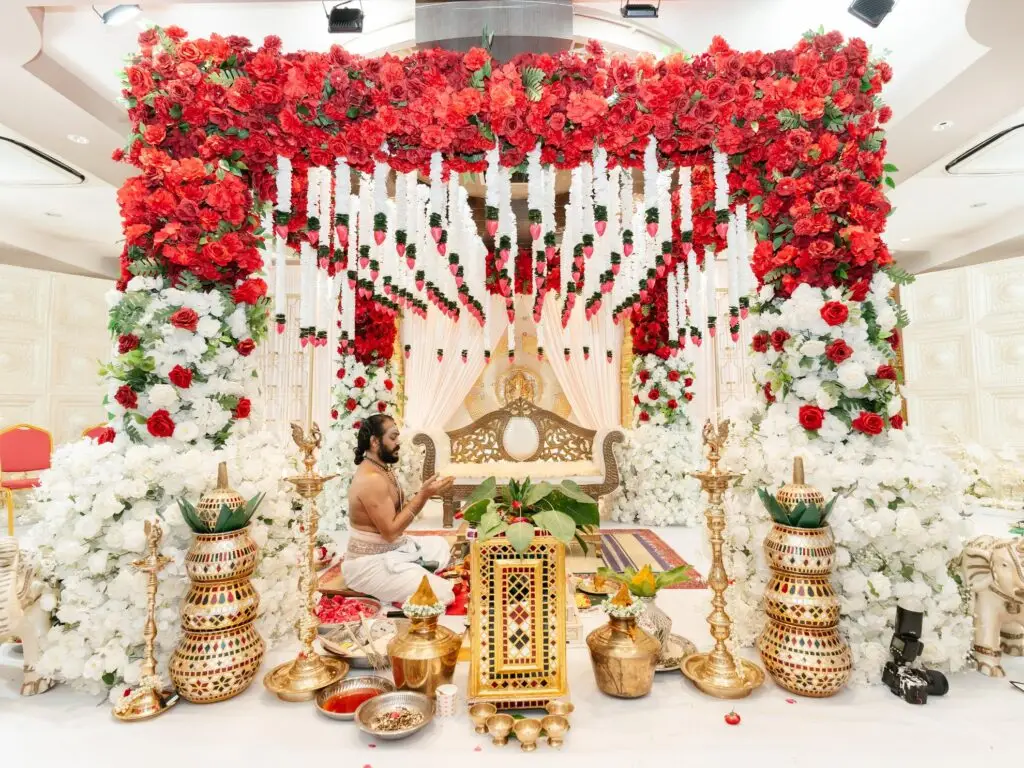
    Indian weddings in Singapore are vibrant, emotional, and often wonderfully grand affairs. Even people who have attended several weddings across different cultures still find themselves pausing before one practical question: how much ang bao should you give?

    Unlike Chinese wedding banquet rates, which are often closely tied to hotel pricing and frequently updated online, Indian wedding ang bao etiquette in Singapore tends to feel slightly less rigid. There are still expectations and social norms, but the culture around gifting is usually more flexible, relationship-driven, and dependent on the style of celebration.

    For guests attending their first Indian wedding in Singapore, understanding the customs behind the celebrations can make the experience far less intimidating. Indian weddings are often multi-day events filled with rituals, music, food, and community gatherings, and the ang bao is only one small part of the overall gesture.

    Here is a practical Singapore guide to Indian wedding ang bao rates in 2026, including how venue type, relationship closeness, and cultural traditions may affect what you give.

    Are Ang Baos Common at Indian Weddings in Singapore?

    Yes, although the terminology may differ.

    Chinese Singaporeans usually refer to wedding cash gifts as “ang bao,” while Indian families may simply call them wedding gifts, blessings, or cash gifts. Regardless of terminology, giving money in an envelope remains very common across many Indian weddings in Singapore.

    Cash gifts are practical and widely accepted. Many guests prefer them because they allow the couple flexibility during an expensive life stage that may include housing renovations, travel expenses, or future savings.

    That said, Indian wedding culture in Singapore is extremely diverse. Customs may vary depending on whether the family is Tamil, Punjabi, Sikh, Malayalee, Telugu, Gujarati, Bengali, or from another background entirely. Religious traditions also influence expectations, whether the ceremony is Hindu, Sikh, Muslim, or Christian Indian.

    Some weddings are highly traditional, while others resemble modern luxury hotel banquets with cross-cultural elements.

    Because of this, there is no single “correct” ang bao amount for every Indian wedding in Singapore.

    How Indian Wedding Ang Bao Culture Differs From Chinese Weddings

    One of the biggest differences is that Indian wedding gifting is often less transactional in tone.

    In Chinese banquet culture, many guests quietly calculate whether their ang bao covers the estimated cost of their seat at the hotel. Indian weddings in Singapore can feel less focused on table-cost calculations and more centred on blessings, family relationships, and celebration.

    This does not mean guests can give token amounts regardless of venue. Expensive hotel weddings still involve substantial hosting costs, and guests generally try to be considerate. However, the social pressure to precisely “cover your plate” is usually less intense compared to some Chinese banquet circles.

    Another key difference is that Indian weddings are often multi-event celebrations. Guests may attend only selected portions rather than the entire wedding programme.

    For example, a couple may host separate events such as the engagement ceremony, mehendi, sangeet, solemnisation, temple ceremony, church wedding, lunch banquet, or dinner reception. The formality and ang bao expectations may differ depending on which event you are invited to.

    Typical Indian Wedding Ang Bao Rates in Singapore (2026)

    In Singapore, casual Indian wedding celebrations held at community halls, temples, function rooms, or smaller venues often see guests giving around SGD80 to SGD150 per person.

    For hotel weddings or luxury banquet venues, guests commonly give between SGD150 and SGD300 or more depending on relationship closeness and venue prestige.

    Close relatives and immediate family members may give significantly higher amounts, especially if they are contributing toward wedding expenses or family traditions.

    Younger working adults attending as friends may stay closer to the lower-middle range, while older relatives or established professionals sometimes give more generously.

    As with many Singapore wedding customs, relationship closeness matters more than fixed online charts.

    Hotel Indian Weddings in Singapore

    Luxury Indian weddings in Singapore can be remarkably elaborate. Five-star hotels often host large ballroom celebrations featuring live music, multiple cuisine stations, floral installations, and extensive guest lists.

    In these situations, guests generally adjust their ang bao upward.

    Venues commonly associated with upscale Indian weddings in Singapore include places such as Shangri-La Singapore, The Ritz-Carlton, Millenia Singapore, JW Marriott Hotel Singapore South Beach, and Fairmont Singapore.

    These weddings may involve multiple days of hospitality, extensive catering, and large-scale production. Guests often take venue prestige into consideration when deciding their ang bao amount.

    Still, most couples do not expect friends to financially “repay” the wedding through their ang bao. The atmosphere is usually more communal and celebratory than strictly transactional.

    Temple Weddings and Smaller Ceremonies

    Not every Indian wedding in Singapore is a grand hotel affair.

    Many couples continue to hold traditional ceremonies at temples or religious venues followed by simpler meals with family and friends. These weddings are often deeply meaningful and culturally rich despite being less extravagant.

    For smaller ceremonies, guests may give more modest ang bao amounts without social discomfort. The focus tends to be on blessings, presence, and participation in the rituals.

    Some families may also specifically request “no boxed gifts” or emphasise that attendance matters more than money.

    Should You Give Per Person or Per Couple?

    In Singapore, ang bao amounts are usually considered on a per-invitation basis rather than strictly per individual.

    If you attend as a married couple or with a partner, most guests naturally increase the amount to reflect two attendees. Families attending with children may also adjust upward slightly depending on the event scale.

    However, Indian weddings are often very family-oriented and generous toward guests. Hosts rarely scrutinise amounts the way internet discussions sometimes imply.

    The goal is to give respectfully within your comfort level.

    Is It Better to Give Cash or a Physical Gift?

    Cash remains the safest and most practical choice for Indian weddings in Singapore.

    Unlike wedding registries that are more common in some Western cultures, many Singapore couples prefer monetary gifts because they are easier to manage, especially when couples are saving for housing or future plans.

    That said, close friends and relatives may still choose personalised gifts alongside an ang bao.

    Jewellery, home appliances, luxury dinnerware, and customised keepsakes remain popular among family circles.

    Some Indian families also appreciate gold gifts due to cultural symbolism associated with prosperity and blessings.

    Are Certain Numbers Considered Auspicious?

    Yes, although practices vary by community and religion.

    Many Indian families prefer giving odd-numbered amounts because odd numbers are traditionally associated with blessings and continuation. For example, SGD101 or SGD151 may sometimes be viewed more favourably than perfectly rounded amounts.

    The extra “1” symbolically represents growth and the hope that prosperity continues to increase.

    Chinese guests attending Indian weddings sometimes continue using familiar Chinese auspicious numbers involving 8, which is generally also accepted without issue in multicultural Singapore settings.

    Most families appreciate the thought behind the gesture more than strict number symbolism.

    What Should You Wear to an Indian Wedding in Singapore?

    One reason Indian weddings feel especially exciting for many guests is the fashion.

    Traditional attire such as sarees, lehengas, salwar suits, sherwanis, and kurtas are common, though not mandatory unless specified by the couple. Many non-Indian guests also enjoy dressing in traditional clothing as a sign of respect and participation.

    For hotel receptions, formal attire is generally appropriate. Bright colours are often welcomed, unlike some Western weddings where guests may lean toward muted palettes.

    Guests should still avoid wearing white or heavily bridal-looking outfits unless culturally appropriate.

    Comfort matters too. Indian weddings can be long events with multiple ceremonies, standing segments, music, and dancing.

    Why Indian Weddings in Singapore Often Feel Different

    One thing many first-time guests notice is the atmosphere.

    Indian weddings in Singapore are often lively, warm, and highly family-oriented. Multiple generations attend together, conversations flow freely, and guests are usually encouraged to eat generously and participate fully.

    There may be dance performances, live drumming, cultural rituals, or extended blessing ceremonies depending on the family background.

    For guests unfamiliar with the traditions, the experience can feel immersive in the best possible way.

    Because of this communal atmosphere, the ang bao itself rarely becomes the centrepiece of social anxiety. Respectful attendance and genuine participation usually matter far more.

    What If You Cannot Attend?

    If you are close to the couple, sending an ang bao even when unable to attend is considered a thoughtful gesture.

    In Singapore, digital transfers through PayNow are increasingly common for weddings across all communities. Some couples include QR codes in invitations, while others still prefer physical envelopes handed to family members.

    For colleagues or casual acquaintances, a congratulatory message may be perfectly acceptable if you cannot attend.

    Relationship closeness remains the main factor guiding etiquette.

    Should You Follow Online Ang Bao Rate Tables?

    Online ang bao guides can be helpful as rough references, especially for younger guests attending their first Indian wedding in Singapore.

    However, they should not be treated as rigid rules.

    Indian weddings vary enormously in scale, style, and family expectations. A luxury ballroom reception and a temple ceremony naturally carry different social contexts. Cultural background, age group, financial comfort, and personal relationship all matter.

    Using online estimates as a flexible guide rather than a strict obligation is usually the healthiest approach.

    The Real Purpose of the Wedding Ang Bao

    At its heart, the wedding ang bao is simply a gesture of blessing and goodwill.

    Singapore’s multicultural wedding culture sometimes turns ang bao discussions into spreadsheets and calculations, but most couples ultimately remember the people who celebrated with them rather than the exact dollar amounts received.

    Indian weddings especially tend to emphasise hospitality, joy, music, family bonds, and collective celebration.

    Giving sincerely, dressing respectfully, and participating warmly in the occasion will usually matter far more than whether your envelope contained SGD128 or SGD188.

    FAQ

    How much should I give for an Indian wedding in a Singapore hotel in 2026?

    Many guests give around SGD150 to SGD300 depending on venue prestige and relationship closeness. Immediate family and very close relatives may give more.

    Is it rude to give less than the estimated banquet cost?

    Not necessarily. Indian wedding gifting culture in Singapore is often less rigidly tied to seat cost compared to some Chinese banquet expectations.

    Can I give PayNow instead of a physical ang bao?

    Yes. Many Singapore couples now accept digital wedding gifts, especially younger couples.

    Do Indian weddings in Singapore always last multiple days?

    Not always, but many involve several events or ceremonies across different days.

    Should non-Indian guests wear traditional Indian clothing?

    It is generally welcomed and appreciated if done respectfully, though formal Western attire is usually acceptable unless the invitation specifies a dress code.

    Is cash preferred over physical gifts?

    In most cases, yes. Cash gifts are practical and widely accepted for weddings in Singapore across many communities.

  • Ang Bao for Last-Minute Wedding Invitations in Singapore: What Should You Give?

    Ang Bao for Last-Minute Wedding Invitations in Singapore: What Should You Give?

    Getting a last-minute wedding invitation in Singapore can feel surprisingly stressful. Beyond rearranging your schedule or figuring out what to wear, there is usually one immediate question sitting quietly in the back of your mind: does the ang bao amount change if the invitation came late?

    It is an awkward situation that many Singaporeans encounter at some point. Sometimes the couple genuinely had unexpected guest cancellations and suddenly opened extra seats. Sometimes venue capacities changed. Sometimes family politics, forgotten invitations, or budget concerns played a role. In other cases, couples simply decided late that they wanted a bigger celebration.

    Whatever the reason, receiving a wedding invitation only days or weeks before the event can leave guests unsure about etiquette. Should you still give the “standard” ang bao amount? Is it acceptable to give less? Does the short notice imply lower expectations?

    The reality is more nuanced than many people think.

    Here is a practical Singapore guide to handling ang bao etiquette for last-minute wedding invitations, including how venue type, relationship closeness, and social context can influence what you should reasonably give.

    Does a Last-Minute Invitation Mean You Can Give Less?

    Technically, there is no official rule saying you must give less for a last-minute invitation.

    In Singapore, wedding ang bao culture is still largely guided by venue costs, social norms, and relationship closeness rather than invitation timing alone. If you attend the wedding and enjoy the same banquet experience as every other guest, many people still choose to give within the normal ang bao range for that venue.

    That said, human emotions are complicated.

    Some guests quietly feel hurt when they suspect they were invited only after someone else declined. Others feel uncomfortable paying full banquet-style ang bao amounts when the invitation appears transactional or impersonal.

    Because of this, last-minute invitations often sit in a social grey zone where guests adjust their ang bao based on context rather than strict etiquette formulas.

    Why Couples Sometimes Send Last-Minute Invitations

    Not every late invitation is an insult.

    Singapore weddings are expensive and logistically complicated. Couples often face fluctuating guest counts because of overseas travel, sudden cancellations, illness, work commitments, or family changes.

    Hotels usually require final table confirmations close to the wedding date. If several guests cancel late, couples may suddenly find themselves with empty seats they have already paid for. Inviting additional friends or acquaintances at the last minute can simply be a practical attempt to avoid wasted tables.

    In some cases, parents may also expand guest lists after initial invitations have already gone out. Singapore weddings frequently involve extended family dynamics and evolving social obligations.

    Of course, there are situations where guests genuinely feel like backup options. The tone of the invitation often matters here. A warm, apologetic invitation explaining the late notice usually feels very different from a sudden mass-text invitation sent days before the wedding.

    How Most Singaporeans Handle the Ang Bao

    In practice, many Singaporeans still give fairly standard ang bao amounts if they decide to attend.

    The reasoning is simple: regardless of when the invitation arrived, the couple is still hosting you at the venue, providing food and hospitality, and including you in an important life event.

    For hotel weddings, guests often continue referencing estimated banquet rates. For restaurant weddings or simpler venues, guests may adjust accordingly.

    However, some guests do quietly moderate their ang bao if the invitation feels extremely last-minute or impersonal, particularly if they are not close to the couple.

    There is no universal consensus because social relationships vary enormously.

    Relationship Closeness Matters More Than Timing

    The single biggest factor affecting ang bao decisions remains your relationship with the couple.

    If the bride or groom is a close friend, cousin, sibling, or longtime colleague, most people will still give generously regardless of invitation timing. The late invitation may simply reflect logistical chaos rather than emotional hierarchy.

    On the other hand, if you barely know the couple and receive a sudden invitation days before the event, many guests naturally approach the ang bao more casually.

    In Singapore, wedding etiquette is heavily relationship-driven despite all the online ang bao charts and hotel rate guides.

    People rarely judge close relationships purely through the lens of banquet cost calculations.

    Hotel Weddings vs Casual Venues

    Venue type still significantly influences ang bao expectations.

    If the wedding is held at luxury hotels such as Marina Bay Sands, The Fullerton Hotel Singapore, or Pan Pacific Singapore, guests often feel social pressure to give within the typical banquet range even for late invitations.

    Singapore’s wedding culture has long normalised the idea that ang baos should roughly reflect venue pricing, especially for hotel banquets.

    For casual restaurant weddings, community clubs, churches, temples, or function halls, expectations are generally more relaxed.

    A last-minute invitation to a small family luncheon naturally feels different from a black-tie ballroom dinner costing several hundred dollars per table.

    Is It Rude to Decline a Last-Minute Wedding Invitation?

    Not at all.

    Most Singaporeans understand that short notice makes attendance harder. Work schedules, childcare, travel plans, and prior commitments may already be fixed.

    If you cannot attend, a polite congratulatory message is usually sufficient. Close friends or relatives may still choose to send an ang bao despite declining, but this is not always necessary for casual relationships.

    In fact, many couples sending late invitations already know there is a higher chance of rejection due to the timing.

    The key is responding promptly so the couple can finalise arrangements.

    Should You Still Give an Ang Bao If You Decline?

    This depends almost entirely on your relationship with the couple.

    For close friends, family members, or people whose weddings you genuinely care about, sending an ang bao despite not attending is often viewed as a thoughtful gesture.

    For acquaintances or distant colleagues, declining without sending money is generally socially acceptable.

    Singapore wedding culture sometimes creates anxiety around “obligation gifting,” but most reasonable people recognise that not every invitation automatically requires financial contribution.

    Why Last-Minute Invitations Sometimes Feel Sensitive

    Part of the discomfort comes from Singapore’s strong awareness of wedding banquet economics.

    Guests are constantly exposed to online ang bao tables estimating how much each hotel “costs” per seat. Over time, this has unintentionally created a transactional mindset around weddings.

    As a result, being invited late can trigger feelings of being treated as a seat-filler rather than a genuinely valued guest.

    Of course, reality is often more complicated. Weddings are chaotic events involving family pressure, shifting RSVPs, and budget limitations. Couples are usually overwhelmed rather than strategically ranking friendships.

    Still, social emotions are real. Guests are not wrong for feeling awkward when invited at the eleventh hour.

    Should You Ask Others How Much They’re Giving?

    Singaporeans do this more often than they openly admit.

    Friends attending the same wedding frequently compare ang bao expectations privately, especially when unsure about venue costs or invitation circumstances.

    There is nothing inherently wrong with quietly checking general expectations among your social circle. It can help avoid both unintentionally under-giving and financially overextending yourself.

    However, obsessing over precise dollar matching tends to create unnecessary stress.

    The ang bao should reflect your comfort level and relationship with the couple rather than becoming a rigid accounting exercise.

    What If the Couple Explicitly Says “No Need Ang Bao”?

    Occasionally, couples genuinely mean it when they say your presence matters more than gifts.

    This is more common among smaller, intimate weddings or couples who are financially comfortable and simply want a relaxed celebration.

    Even then, many Singapore guests still bring at least a token ang bao out of politeness, especially older relatives and family friends.

    For younger couples hosting casual gatherings, however, smaller symbolic amounts are increasingly accepted.

    The culture around wedding gifting in Singapore has become more flexible over time.

    Digital Ang Bao Etiquette

    With PayNow and digital banking becoming normal in Singapore, some guests now send e-ang baos instead of physical red packets, especially for last-minute invitations.

    This can be convenient if you decide late whether to attend or if you are unable to make it physically.

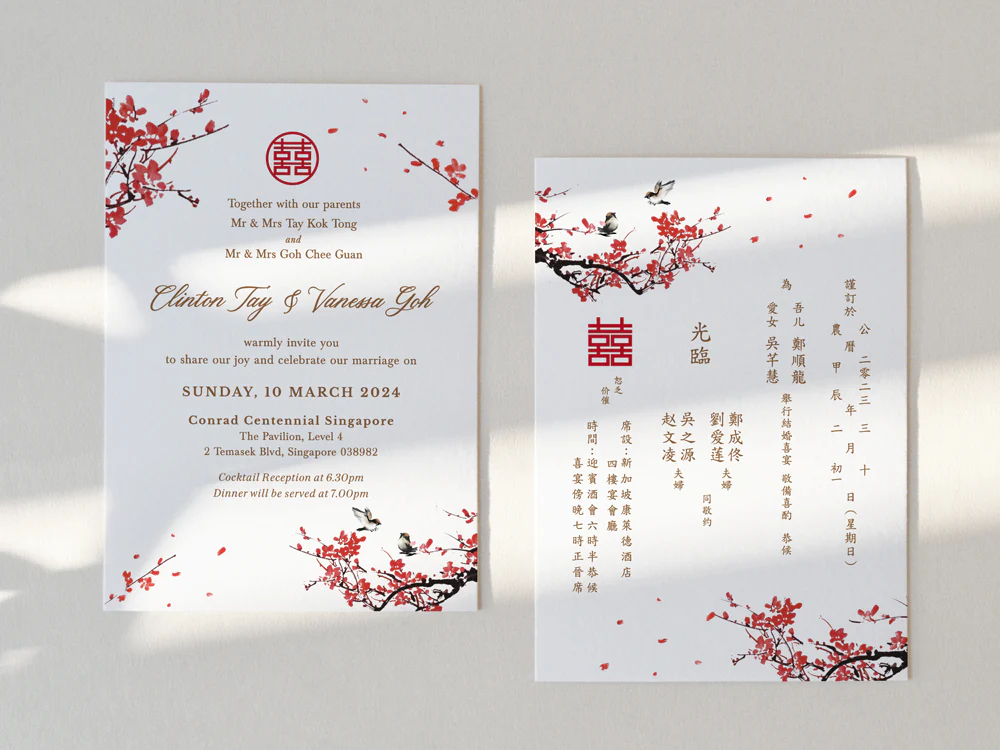
    Some couples even include QR codes in wedding invitations. Others may quietly accept transfers after the wedding from friends who could not attend.

    Still, physical red packets remain culturally meaningful for many families, particularly among older generations.

    Should You Feel Obligated to “Cover Your Seat”?

    This is probably the biggest wedding ang bao debate in Singapore.

    Some people strongly believe guests should approximately cover banquet costs out of courtesy. Others argue weddings are invitations, not invoices.

    For last-minute invitations specifically, the emotional calculation becomes even more complicated.

    In reality, most Singaporeans land somewhere in the middle. They try to be respectful and reasonably generous without treating weddings like strict financial transactions.

    Giving within your means while considering the relationship and venue is usually the most balanced approach.

    The Best Way to Think About Last-Minute Wedding Invitations

    The healthiest mindset is probably the simplest one.

    If you genuinely want to celebrate with the couple, attend warmly, give sincerely within your comfort range, and do not overanalyse the invitation timing.

    If the invitation feels awkward or purely transactional and you are uncomfortable attending, politely decline without guilt.

    Singapore’s wedding culture can sometimes make ang bao etiquette feel overly mathematical, but most weddings are ultimately about relationships, family, and shared celebration rather than exact dollar calculations.

    People tend to remember warmth, support, laughter, and presence far longer than the precise contents of an envelope.

    FAQ

    Should I give less for a last-minute wedding invitation in Singapore?

    There is no strict rule. Many guests still give standard ang bao amounts if attending, though some may adjust slightly depending on relationship closeness and context.

    Is it rude to invite people late to a wedding?

    Not necessarily. Late invitations often happen because of cancellations, venue adjustments, or changing guest lists rather than intentional disrespect.

    Do I need to send an ang bao if I decline?

    For close friends or family, many people still send a gift or ang bao. For casual acquaintances, declining without sending money is usually acceptable.

    Should I still follow hotel ang bao rates?

    Most Singapore guests still use venue type as a rough guideline, especially for hotel weddings.

    Is PayNow acceptable for wedding ang baos?

    Yes. Digital ang baos are increasingly common in Singapore, especially among younger couples.

    What matters most when deciding the ang bao amount?

    Relationship closeness, venue type, your financial comfort level, and sincerity matter more than rigid online rate charts.

  • Singapore Wedding Ang Bao: Close Friends vs Colleagues vs Acquaintances

    Singapore Wedding Ang Bao: Close Friends vs Colleagues vs Acquaintances

    Few social situations in Singapore create as much quiet mental calculation as wedding ang baos. Once the invitation arrives, most people almost immediately start thinking about the same questions. How much should I give? Do I need to cover the hotel table cost? What if I’m not that close to the couple? Does my relationship with them matter more than the venue?

    The truth is that relationship dynamics influence wedding ang bao decisions far more than many online hotel rate tables suggest.

    In Singapore, guests rarely give the exact same amount across every wedding they attend. A close childhood friend getting married at a mid-range hotel may receive a much larger ang bao than a distant colleague hosting a luxury ballroom banquet. Likewise, someone attending out of social obligation may quietly give differently compared to someone genuinely emotionally invested in the couple’s milestone.

    Understanding how Singaporeans typically approach ang bao etiquette across different relationship categories can make wedding season feel far less stressful.

    Here is a practical guide to how wedding ang bao expectations often differ between close friends, colleagues, acquaintances, and family relationships in Singapore.

    Why Relationship Closeness Matters So Much

    Singapore wedding culture is heavily influenced by banquet pricing, but it is not purely transactional.

    Many online ang bao guides focus almost entirely on hotel rates, creating the impression that guests are simply reimbursing meal costs. In reality, emotional closeness often shapes ang bao decisions just as strongly, if not more.

    Most people instinctively adjust their giving based on how important the couple is in their life.

    A best friend’s wedding carries emotional significance that naturally encourages greater generosity. A distant acquaintance’s wedding invitation, on the other hand, may feel more like a polite social extension rather than a deeply personal occasion.

    This emotional layer explains why two guests attending the exact same wedding may give very different amounts without either person necessarily violating etiquette.

    Wedding Ang Bao for Close Friends

    Close friends usually receive the most generous ang baos outside immediate family circles.

    This category includes childhood friends, university friends, best friends, former roommates, bridal party members, and people who have remained emotionally significant over many years.

    For close friends, many Singaporeans stop thinking purely in terms of banquet cost coverage. The ang bao becomes part celebration, part emotional support, and part symbolic contribution toward the couple’s next stage of life.

    Guests attending close friends’ weddings often voluntarily give above the estimated banquet rate, especially if they know the couple personally financed an expensive wedding or went through stressful planning periods.

    There is also usually more emotional investment involved. Close friends tend to attend pre-wedding events, help with logistics, participate in gatecrashing games, coordinate surprises, or stay until late into the reception.

    In these situations, the wedding feels personal rather than purely ceremonial.

    Some close friends also choose to combine group gifts, luxury presents, honeymoon contributions, or personalised keepsakes alongside the ang bao.

    The Emotional Psychology Behind Close Friend Ang Baos

    Interestingly, Singaporeans often feel less resentful about giving large ang baos to close friends compared to acquaintances.

    When emotional closeness exists, the spending feels meaningful rather than obligatory. Guests are supporting someone they genuinely care about.

    People also subconsciously remember relationship history. A friend who supported you through difficult periods, attended your milestones, or remained consistently present in your life naturally inspires greater generosity.

    In this sense, wedding ang baos are sometimes emotional reflections of long-term relationships rather than just venue calculations.

    Wedding Ang Bao for Colleagues

    Colleague weddings are where Singapore wedding etiquette starts becoming more socially complicated.

    Workplace relationships vary enormously. Some colleagues become genuine friends over years of collaboration, while others remain cordial but distant despite daily interaction.

    As a result, colleague wedding ang baos tend to sit somewhere in the middle ground.

    For close work friends, guests may give amounts similar to regular friendships. For casual colleagues, however, many Singaporeans become more practical and venue-conscious in their calculations.

    Office dynamics also influence behaviour. In some workplaces, entire departments attend weddings together, creating subtle social pressure around participation and gifting norms.

    Group discussions about hotel rates, expected ang bao amounts, and attendance plans are extremely common in Singapore offices during wedding season.

    The “Office Table” Effect

    One uniquely Singaporean phenomenon is the office table.

    Couples sometimes reserve entire banquet tables for colleagues, especially at larger hotel weddings. Once this happens, employees may feel stronger pressure to attend because declining could affect workplace dynamics or leave empty seats.

    This is where ang bao stress tends to intensify.

    Unlike close friends, colleagues often exist in a socially ambiguous category. Guests may genuinely like the couple while still not feeling emotionally close enough to comfortably spend several hundred dollars on a hotel banquet.

    Many Singaporeans therefore approach colleague wedding ang baos more pragmatically. They often reference standard venue guides more closely and try to give “appropriate” rather than emotionally generous amounts.

    When Colleagues Become Real Friends

    Of course, workplace relationships are not always superficial.

    Singapore’s long working hours mean colleagues sometimes become some of the closest people in each other’s lives. Shared stress, late nights, project deadlines, and career growth can create very strong bonds over time.

    In these cases, the colleague category essentially overlaps with close friendship.

    Guests attending such weddings usually stop thinking in strictly professional terms and give based on genuine personal affection.

    This explains why workplace wedding etiquette can feel inconsistent across different offices and industries.

    Wedding Ang Bao for Acquaintances

    Acquaintance weddings are usually the most transactional category psychologically.

    This includes distant relatives, old classmates you barely speak to anymore, casual social contacts, friends of friends, secondary social circles, or people you occasionally interact with but are not personally close to.

    When attending acquaintance weddings, Singaporeans often rely most heavily on banquet cost logic.

    Guests typically aim to give a socially respectable amount without necessarily exceeding it significantly. Emotional generosity tends to be lower because the relationship itself carries less emotional weight.

    In these situations, people may also evaluate whether attending is worth the financial and time commitment at all.

    This sounds harsh when phrased directly, but it reflects how many Singaporeans realistically navigate increasingly expensive wedding culture.

    Why Acquaintance Weddings Sometimes Feel Awkward

    One reason acquaintance weddings create discomfort is uncertainty around expectations.

    Guests may wonder why they were invited in the first place. Was it genuine? Social obligation? Family pressure? Table-filling? Networking? Reciprocity?

    Without emotional clarity, ang bao decisions become more analytical.

    This is also why people tend to feel more sensitive about luxury hotel invitations from distant acquaintances compared to intimate weddings from close friends.

    The larger the perceived financial expectation, the more relationship closeness starts influencing emotional reactions.

    Family Weddings Operate Differently

    Family weddings exist in a category of their own.

    Immediate family members often contribute far beyond normal ang bao expectations because their role extends into hosting, logistics, family reputation, and emotional support.

    Parents, siblings, uncles, aunties, and grandparents may help finance portions of the wedding itself, sponsor jewellery, assist with renovation costs, or provide large gifts privately.

    Because of this, comparing family ang baos directly with friend or colleague ang baos rarely makes sense.

    Family obligations are shaped more by cultural traditions, household expectations, and financial circumstances than banquet pricing alone.

    Does Venue Still Matter?

    Yes, absolutely.

    Even though relationship closeness heavily influences ang bao decisions, venue prestige still affects social expectations in Singapore.

    Luxury hotels such as Conrad Singapore Marina Bay, The St. Regis Singapore, and Andaz Singapore naturally create higher ang bao expectations than casual restaurants or community venues.

    However, relationship closeness often determines how willing guests feel about meeting those expectations.

    A lavish hotel wedding for a close friend may feel joyful and exciting. The same banquet for a distant acquaintance may feel financially stressful.

    The Hidden Emotional Economy of Wedding Ang Baos

    What many online guides fail to acknowledge is that wedding ang baos are partly emotional transactions, not just financial ones.

    People unconsciously weigh memories, loyalty, affection, obligation, reciprocity, and social closeness when deciding what feels appropriate.

    This is why rigid ang bao charts never fully capture real-life behaviour.

    Human relationships are simply too complicated to reduce entirely to hotel spreadsheets.

    A guest may happily give SGD300 to a best friend at a modest venue while quietly resenting SGD180 for a distant colleague’s luxury ballroom dinner.

    The numbers alone do not tell the full story.

    Should You Prioritise Your Budget or Social Expectations?

    In Singapore’s expensive wedding culture, this question matters more than ever.

    Many younger adults attend multiple weddings yearly while juggling housing loans, rising living costs, childcare expenses, or career uncertainty.

    It is perfectly reasonable to consider your own financial comfort when deciding ang bao amounts.

    Most emotionally healthy friendships are not destroyed by slight differences in ang bao amounts. Couples who genuinely care about their guests usually value presence and support more than precise dollar calculations.

    Trying to financially overstretch yourself for every wedding invitation often creates unnecessary resentment over time.

    What Most People Actually Remember

    Years later, most couples do not vividly remember the exact ang bao amount each guest gave.

    What people tend to remember instead are emotional moments. Friends who helped during stressful periods. Relatives who travelled long distances. Colleagues who stayed late to celebrate. Guests who made the day feel warm, lively, and joyful.

    Singapore wedding culture sometimes becomes overly fixated on banquet economics, but weddings themselves are still fundamentally emotional events.

    The ang bao matters, but the relationship behind it usually matters more.

    FAQ

    Should close friends give more than colleagues at weddings?

    In many cases, yes. Singaporeans often give more generously to close friends because emotional closeness matters alongside venue costs.

    Do colleagues usually follow hotel ang bao rate guides more strictly?

    Often, yes. Workplace relationships sometimes feel more formal, so guests may rely more heavily on standard banquet rate expectations.

    Is it okay to give less for acquaintance weddings?

    Many guests naturally give more conservatively for distant acquaintances compared to close friends or family.

    Do family members give the highest ang baos?

    Usually yes, though family contributions often extend beyond simple ang baos and may include direct financial support for the wedding.

    Does venue still matter if I’m close to the couple?

    Yes. Venue prestige still influences expectations, though close relationships often make guests more willing to give generously.

    Is it rude to decline weddings because of ang bao costs?

    Not necessarily. Singaporeans increasingly recognise that attending multiple expensive weddings can become financially difficult, especially for younger adults.

  • Ang Bao for Tuition Teachers: Is It Expected in Singapore?

    Ang Bao for Tuition Teachers: Is It Expected in Singapore?

    In Singapore, tuition is deeply woven into everyday family life. From weekly enrichment lessons to intensive exam preparation sessions, many students spend years with the same private tutor or tuition centre teacher. Over time, these relationships can become surprisingly close. Tutors sometimes witness students growing from shy Primary 1 children into stressed teenagers preparing for major national exams.

    Because of this, many parents eventually wonder about something that is rarely openly discussed: should you give your child’s tuition teacher an ang bao?

    The question usually comes up around Chinese New Year, after major exam results, or at the end of the school year. Some parents see it as a polite gesture of appreciation. Others worry it may feel inappropriate, unnecessary, or even uncomfortable.

    Unlike wedding ang baos or festive gifting traditions with more established norms, ang bao etiquette for tuition teachers in Singapore sits in a very grey area. There is no official expectation, and practices vary significantly depending on the type of tutor, family background, teaching arrangement, and relationship dynamics.

    Here is a practical Singapore guide to whether ang baos for tuition teachers are expected, when families sometimes give them, and what is generally considered appropriate.

    Are Tuition Teachers in Singapore Expected to Receive Ang Bao?

    In most cases, no. Ang baos for tuition teachers are not formally expected in Singapore.

    Unlike relatives, domestic helpers, or younger family members during Chinese New Year, tuition teachers are professionals providing paid services. Families already compensate them through lesson fees, which can be substantial depending on the subject and tutor experience.

    Because of this, most tuition teachers do not assume they will receive festive ang baos or bonus gifts from students.

    That said, some parents still choose to give small tokens of appreciation, especially when the tutor has played a meaningful role in the child’s academic journey.

    The important distinction is that such gestures are usually viewed as voluntary appreciation rather than social obligation.

    Why Some Parents Still Give Ang Bao

    Singapore’s education culture can be intense.

    Parents often spend years working closely with tutors through stressful exam periods, difficult academic phases, and emotionally demanding milestones like PSLE, O-Levels, A-Levels, or IB examinations.

    When a tutor consistently supports a child beyond simply delivering lessons, families sometimes feel genuine gratitude that extends beyond ordinary professional transactions.

    A tutor who patiently rebuilds a struggling student’s confidence, provides emotional encouragement during burnout, or goes beyond scheduled hours before major exams may become someone the family deeply appreciates.

    In these situations, a small ang bao or festive gift can feel like a sincere acknowledgement of effort rather than a payment expectation.

    Chinese New Year Ang Bao for Tutors

    Chinese New Year is the most common period when tuition teacher ang bao questions arise.

    Some families give small red packets to regular tutors as part of festive goodwill, especially if lessons continue close to the holiday season.

    This tends to happen more frequently among Chinese families or households where ang bao-giving is already strongly embedded in family culture.

    For home tutors who visit weekly and become familiar household presences, the relationship can start feeling more personal over time. Parents may naturally extend festive generosity to them much like they would toward long-term service providers or trusted helpers.

    Still, practices vary widely. Many families do not give anything beyond regular lesson fees, and most tutors are perfectly comfortable with that.

    Is It Different for Home Tutors vs Tuition Centres?

    Yes, quite often.

    Private home tutors tend to build more personal relationships with families because lessons take place within the home environment. Parents interact with them directly, observe their teaching style closely, and may work with the same tutor for years.

    Because of this familiarity, festive ang baos or small gifts are slightly more common for home tutors.

    Tuition centre teachers, on the other hand, usually operate within a more structured institutional setting. Parents may have limited personal interaction with them, especially in larger centres where students rotate between classes or instructors.

    In these situations, families are less likely to give individual ang baos unless the teacher has had a particularly strong impact on the student.

    How Much Do People Usually Give?

    There is no standard ang bao rate for tuition teachers in Singapore.

    When families do give ang baos, the amounts are usually modest and symbolic rather than extravagant. Common ranges may fall somewhere between SGD10 and SGD50 depending on relationship closeness, lesson frequency, and family financial comfort.

    Some parents instead choose to give festive snacks, gift cards, cookies, tea sets, or small appreciation gifts rather than cash.

    For long-term tutors who played major roles during important exam years, families may occasionally give larger appreciation bonuses after exam results are released.

    Still, these gestures are typically framed as gratitude rather than obligation.

    What Tuition Teachers Actually Think About It

    Interestingly, many tutors themselves feel awkward receiving ang baos.

    Experienced tutors in Singapore generally understand that parents are already investing heavily in tuition fees, enrichment classes, assessment books, and educational resources. They usually do not want families to feel additional financial pressure.

    Some tutors happily accept small festive gestures out of politeness, while others may initially decline before accepting if parents insist.

    Many teachers genuinely value handwritten thank-you cards or sincere messages from students more than monetary gifts.

    For tutors who care deeply about teaching, seeing a student improve academically or gain confidence often feels more meaningful than receiving extra money.

    Is It Ever Inappropriate to Give Ang Bao?

    Occasionally, yes.

    Very large cash gifts can sometimes create discomfort or blur professional boundaries, especially within formal tuition centre settings.

    Some parents also worry that giving expensive gifts may create perceived favouritism or pressure.

    In Singapore’s education environment, maintaining professional respect is important. A modest token of appreciation is usually viewed positively, but overly lavish gifting may feel unnecessary.

    This is particularly true if the tutor teaches within a school or institutional environment where gift policies may exist.

    Ang Bao After Good Exam Results

    Another common situation involves students receiving strong exam results.

    After PSLE, O-Levels, A-Levels, or major school admissions, some grateful parents choose to thank tutors with small ang baos or gifts.

    This tends to happen when families feel the tutor made a particularly meaningful contribution to the student’s improvement.

    For example, a tutor who helped a struggling student significantly improve grades over several years may naturally inspire a stronger emotional response from parents.

    These gestures are usually framed as appreciation for dedication and support during stressful periods rather than rewards tied purely to grades.

    Why Singapore Parents Feel Unsure About This Topic

    Part of the uncertainty comes from the unusual nature of tuition relationships themselves.

    Tutors are not quite family, but they are often more personally involved than many other service providers. They may enter the home weekly, know intimate details about a child’s academic struggles, and spend years mentoring the same student.

    This creates emotional closeness without clear cultural etiquette rules.

    Singapore parents therefore end up navigating these situations through instinct rather than formal expectations.

    Some families are naturally generous and expressive with appreciation. Others prefer maintaining clearer professional boundaries.

    Neither approach is necessarily wrong.

    Tuition Culture in Singapore Has Become More Emotional

    One reason this topic surfaces more today is that tuition itself has evolved.

    Modern Singapore tutoring increasingly involves mentorship, emotional coaching, and motivation alongside academic instruction. Tutors are often expected to manage stress, confidence issues, procrastination, and exam anxiety in addition to teaching content.

    As a result, parents sometimes feel tutors are contributing to their child’s overall emotional wellbeing rather than simply drilling worksheets.

    This deeper involvement naturally encourages stronger gratitude relationships in some households.

    Is a Thank-You Message Enough?

    Absolutely.

    In fact, many tutors appreciate heartfelt messages more than ang baos.

    A sincere note from a parent or student acknowledging the tutor’s patience, encouragement, or support can leave a lasting impression. Tutors rarely receive direct emotional feedback despite investing significant time into students.

    Messages after exam results are especially meaningful because they allow tutors to see the long-term impact of their efforts.

    For many educators, this kind of appreciation carries more emotional weight than money.

    Should Students Give the Ang Bao Personally?

    If a family decides to give an ang bao, it is usually nicest when the student participates directly.

    This helps reinforce gratitude and respect rather than making the interaction feel purely transactional between adults.

    Even a simple “thank you for helping me this year” can make the gesture feel warmer and more personal.

    Younger children may also enjoy participating in festive gifting traditions during Chinese New Year.

    What Matters Most

    Ultimately, ang baos for tuition teachers in Singapore are entirely optional.

    There is no hidden social rule requiring parents to give them, and most tutors do not expect them. Families who choose not to give anything are not being rude or disrespectful.

    At the same time, small gestures of appreciation can feel meaningful when they come from genuine gratitude rather than pressure or obligation.

    Singapore’s tuition culture can sometimes become highly transactional because of exam stress and academic competition. Moments of sincere appreciation help humanise those relationships again.

    Whether through a small red packet, a thank-you card, snacks during Chinese New Year, or simply kind words after exam season, what most tutors remember is usually not the monetary value itself but the feeling of being appreciated for work that is often emotionally demanding behind the scenes.

    FAQ

    Is it compulsory to give ang bao to tuition teachers in Singapore?

    No. There is no formal expectation or social obligation to give ang baos to tutors.

    When do people usually give tutors ang bao?

    Chinese New Year and after major exam results are the most common occasions.

    How much should I give a tuition teacher?

    If families choose to give an ang bao, amounts are usually modest and symbolic, often around SGD10 to SGD50.

    Is it better to give a gift instead of cash?

    Either is acceptable. Some parents prefer festive snacks, gift cards, or handwritten thank-you notes instead of cash.

    Do tuition centre teachers receive ang baos too?

    Sometimes, but it is less common than with private home tutors because the relationship is usually less personal.

    Will tutors feel offended if I don’t give anything?

    Generally no. Most tutors in Singapore do not expect ang baos from students or parents.

  • What If You Forgot to Bring Ang Bao to a Wedding in Singapore?

    What If You Forgot to Bring Ang Bao to a Wedding in Singapore?

    It’s one of those small but surprisingly stressful moments. You’ve dressed up, you’ve arrived at the venue, you’re about to walk toward the reception table — and then it hits you.

    You forgot the ang bao.

    For something that feels so routine in Singapore, the absence of it can suddenly feel very noticeable. Weddings here come with a set of unspoken expectations, and ang bao sits right at the centre of it. It’s not just a gesture. It’s part of the social fabric of attending a wedding.

    Still, forgetting happens. People rush from work, misplace envelopes, assume someone else brought it, or simply have too many things on their mind. The question isn’t whether it’s ideal. It’s what to do next, and more importantly, whether you’ve broken some kind of unwritten rule.

    The short answer is no. You haven’t ruined anything. But there are better ways to handle it than pretending nothing happened.

    First, Take a Step Back

    Before reacting, it helps to understand what ang bao actually represents in a Singapore wedding context.

    Yes, there’s a practical side. Guests often estimate their ang bao based on the cost of the banquet, and there’s a shared understanding that contributions help offset expenses. That’s where all the talk about “covering your seat” comes from.

    But there’s also a social layer. Ang bao is a gesture of participation. It signals that you’re part of the celebration, that you recognise the occasion and are showing up fully for it.

    Forgetting it doesn’t erase your presence. You’re still there. You still made the effort to attend. And in most cases, that matters more than people assume in the moment.

    Is It Considered Rude?

    This is the question most people worry about.

    In Singapore, not giving ang bao at a wedding can be seen as unusual, especially if it’s intentional. But forgetting it is different. It’s understood as a mistake, not a statement.

    Hosts are rarely tracking who gave what in real time. The ang bao box collects envelopes without immediate scrutiny, and most couples only review them after the wedding. By then, individual moments at the reception table are long forgotten.

    So no, it’s not considered rude in the sense of being offensive. It’s simply something you’ll want to follow up on.

    What You Should Do Immediately

    When you realise you’ve forgotten the ang bao, the instinct might be to panic or draw attention to it. There’s no need for that.

    The simplest approach is often the best. Proceed as you normally would. Greet the couple, sign the guest book if there is one, and take part in the celebration.

    There’s no requirement to announce that you forgot. Doing so can actually make the situation more awkward than it needs to be.

    Most experienced guests handle it quietly. They attend the wedding as usual, then make arrangements afterward.

    Option 1: Send the Ang Bao After the Wedding

    This is the most common and widely accepted solution.

    If you forgot to bring your ang bao, you can simply send it after the wedding. Many people do this, not just because they forgot, but sometimes because they were unable to attend or wanted to transfer the amount digitally.

    Timing matters a little here. Sending it within a few days of the wedding feels natural. It shows that you didn’t forget the gesture entirely, just the logistics of bringing it on the day.

    You can either:

    A short message usually accompanies it. Something simple like, “I realised I forgot to pass you the ang bao that day, congratulations again,” is more than enough.

    There’s no need to over-explain.

    Option 2: Transfer Digitally on the Same Day

    In today’s context, this is becoming more common.

    If you realise early enough, you can transfer the ang bao amount digitally during the event or shortly after. Many couples now include PayNow details in their invitations, or guests can easily ask for them.

    This option works especially well if you prefer to settle things quickly. It avoids the need for follow-up later and keeps the gesture aligned with the timing of the wedding.

    Still, not everyone chooses this approach. Some feel that sending it afterward feels more considered, especially if they want to include a message.

    Option 3: Give It When You See Them Next

    If you’re close to the couple, there’s another option that feels quite natural.

    You can simply give the ang bao the next time you meet them.

    This works well in situations where you know you’ll see them soon, perhaps at a post-wedding gathering, a casual meetup, or even at work if they’re colleagues.

    In these cases, the delay doesn’t feel unusual. It becomes part of a normal social interaction rather than a formal correction.

    Should You Apologise?

    This is where tone matters more than content.

    A brief acknowledgment is appropriate, but it doesn’t need to be dramatic. You don’t need to frame it as a major mistake or apologise excessively.

    Something along the lines of, “I completely forgot to bring it that day, sorry about that,” is sufficient. It shows awareness without turning it into a bigger issue.

    Most couples will respond casually. They understand that these things happen.

    What If You Don’t Send It at All?

    Forgetting to bring ang bao is one thing. Not following up at all is another.

    In Singapore’s wedding culture, ang bao is still expected from guests who attend. If it’s not given at all, it may be noticed later, especially if the couple is reviewing contributions.

    This doesn’t mean relationships will be damaged over a single instance, but it can leave a small impression. Not a dramatic one, but enough to feel slightly out of place.

    That’s why following up matters. It closes the loop and keeps things aligned with expectations.

    Does It Depend on Your Relationship?

    Very much so.

    If you’re a close friend or family member, the absence of ang bao is less likely to be interpreted negatively. The relationship carries more weight than the gesture itself.

    For colleagues or acquaintances, the expectation can feel a bit more defined. In these cases, following up becomes more important.

    Still, even here, context matters. People understand that mistakes happen. The way you handle it afterward is what shapes the impression.

    What About Plus-Ones?

    If you attended as someone’s plus-one and the ang bao was handled by your partner, then forgetting isn’t really an issue.

    But if you were expected to contribute jointly and neither of you brought it, the same follow-up approach applies. A shared ang bao can be sent afterward without complication.

    This is another reminder that ang bao is often treated as a collective gesture rather than an individual one.

    Why This Feels More Stressful Than It Is

    Part of the anxiety comes from how structured ang bao culture can feel in Singapore.

    There are guides, tables, venue-based rates, and endless discussions about what’s appropriate. Over time, this creates the impression that everything must be done perfectly.

    In reality, social situations are far more forgiving.

    People remember who attended, who celebrated with them, who took the time to show up. The ang bao matters, but it doesn’t define the entire experience.

    Forgetting it feels significant in the moment because it disrupts a familiar routine. But it’s easily resolved.

    A Simple Way to Handle It

    If you find yourself in this situation, keep it straightforward.

    Attend the wedding as planned. Don’t draw attention to the mistake. Send the ang bao afterward, either digitally or in person. Include a short, casual message.

    Then move on.

    There’s no need to dwell on it or replay the moment in your head.

    Final Thoughts

    Forgetting to bring ang bao to a wedding in Singapore feels like a bigger issue than it actually is. It’s a moment of inconvenience, not a breach of etiquette that can’t be fixed.

    The key lies in what you do next.

    Following up, in a simple and timely way, restores the gesture. It shows that you recognise its importance, even if the timing wasn’t ideal.

  • Ang Bao Rates for Malay Weddings in Singapore (2026 Guide)

    Ang Bao Rates for Malay Weddings in Singapore (2026 Guide)

    Malay weddings in Singapore are warm, lively, deeply communal celebrations that often feel very different from the formal ballroom atmosphere many people associate with hotel banquets. Guests are welcomed generously, food is abundant, music fills the space, and relatives, neighbours, colleagues, and friends frequently flow in and out throughout the day.

    Yet despite the relaxed and festive atmosphere, one practical question still comes up repeatedly for guests attending a Malay wedding in Singapore: how much should you give for the ang bao?

    For first-time attendees, especially non-Malay guests, the uncertainty can feel even greater because Malay wedding customs around gifting differ in subtle but important ways from Chinese wedding banquet culture. Many Singaporeans are familiar with highly detailed Chinese hotel ang bao rate charts, but Malay wedding etiquette tends to operate with more flexibility and less rigid “cover your seat” calculations.

    That does not mean there are no social norms at all. Guests still generally want to give respectfully and appropriately, especially when attending weddings of close friends, relatives, or colleagues.

    Here is a practical Singapore guide to Malay wedding ang bao rates in 2026, including common gifting expectations, cultural differences, and how venue type and relationship closeness may influence what you give.

    Are Ang Baos Common at Malay Weddings in Singapore?

    Yes, absolutely.

    At Malay weddings in Singapore, guests commonly give cash gifts to the couple, often placed into designated boxes or handed over during greetings with the bride and groom. While the term “ang bao” itself comes from Chinese culture, Singaporeans across communities frequently use it casually to refer to wedding cash gifts regardless of ethnicity.

    In Malay Muslim weddings, the practice is often viewed less as paying for the meal and more as giving blessings and helping the newlyweds begin married life.

    This creates a noticeably different atmosphere compared to some Chinese wedding banquet traditions, where guests may feel stronger pressure to calculate hotel table costs precisely.

    Malay wedding gifting culture in Singapore is generally viewed as more flexible, communal, and relationship-oriented.

    Why Malay Wedding Ang Bao Culture Feels Different

    One of the biggest differences is the structure of the wedding itself.

    Many Malay weddings in Singapore take place at void decks, community halls, mosques, function spaces, or family homes rather than luxury hotel ballrooms. Guests often arrive in waves throughout the day rather than sitting through a fixed multi-course banquet programme.

    Because the event format is more open and fluid, the atmosphere around ang baos tends to feel less transactional.

    Guests are not usually mentally calculating the cost of individual seats the same way people sometimes do at Chinese hotel banquets. Instead, the focus is often more strongly placed on celebrating the union, supporting the family, and participating in the communal joy of the occasion.

    This does not mean guests can simply give token amounts regardless of context, but the emotional tone around gifting is generally less rigid.

    Typical Ang Bao Rates for Malay Weddings in Singapore (2026)

    For standard Malay weddings held at void decks, community spaces, or modest venues, many guests in Singapore commonly give around SGD30 to SGD100 depending on their relationship with the couple.

    Close relatives and close friends often give more, especially if they are emotionally close to the bride or groom or wish to support the newlyweds more substantially.

    For larger or more upscale weddings held at hotels or premium venues, guests may increase their ang bao amounts accordingly, though expectations are still often somewhat more relaxed compared to Chinese luxury banquet culture.

    Younger guests, students, or early-career working adults are generally not expected to overstretch themselves financially simply to match venue prestige.

    Void Deck Weddings and Community Celebrations

    Void deck weddings remain iconic within Singapore Malay wedding culture.

    These weddings are often energetic, family-centred, and deeply rooted in kampung-style hospitality traditions. Decorations may transform ordinary HDB spaces into colourful celebration areas filled with flowers, music, food stations, and welcoming relatives.

    For these weddings, guests typically give moderate and comfortable ang bao amounts based primarily on closeness to the couple rather than venue calculations.

    The atmosphere usually feels highly inclusive and community-driven. Guests are welcomed warmly regardless of how much they give.

    Many Singaporeans actually find void deck Malay weddings among the most relaxed and enjoyable wedding experiences precisely because they feel less formal and financially pressuring.

    Hotel Malay Weddings in Singapore

    Malay weddings in Singapore are increasingly also held at upscale hotels and event venues, especially among younger urban couples seeking larger-scale celebrations.

    Hotels such as Grand Hyatt Singapore, Village Hotel Changi, Hilton Singapore Orchard, and PARKROYAL COLLECTION Marina Bay frequently host Malay wedding receptions.

    In these cases, guests often increase their ang bao slightly in recognition of higher event costs and venue scale.

    Still, Malay wedding culture generally retains a softer approach toward “covering your seat” compared to some Chinese banquet expectations.

    Many couples and families prioritise attendance and blessings over exact financial reimbursement calculations.

    The Role of Relationship Closeness

    As with most Singapore wedding cultures, relationship closeness matters enormously.

    Immediate family members, close cousins, childhood friends, and long-term best friends naturally tend to give more generously than distant acquaintances or casual colleagues.

    For close relationships, the ang bao is often viewed partly as emotional support for the couple’s new life stage rather than merely event etiquette.

    Meanwhile, colleagues or casual friends may give more moderate amounts that feel socially respectful without becoming financially stressful.

    Most Malay families understand that guests come from different financial circumstances and social relationships.

    Is It Rude to Give “Too Little”?

    Generally, Malay wedding culture in Singapore tends to place less public emphasis on judging ang bao amounts.

    Of course, guests still aim to be respectful and avoid obviously insincere amounts, especially for close relationships. However, the social anxiety surrounding exact ang bao calculations is often lower than in some other wedding traditions.

    Warm attendance, genuine congratulations, and participation in the celebration usually matter more than hyper-precise monetary expectations.

    This is one reason many non-Malay guests describe Malay weddings as feeling especially welcoming and relaxed.

    Salam Kaut and Wedding Gift Boxes

    Some Malay weddings in Singapore also involve “salam kaut,” where guests personally greet and shake hands with the bride and groom while offering blessings and sometimes giving envelopes directly.

    Modern weddings may instead use collection boxes near reception areas for convenience.

    Guests may also receive small wedding favours or gift packs known as “bunga telur” or other customised keepsakes as tokens of appreciation for attending.

    These details reinforce the communal and reciprocal spirit surrounding Malay wedding hospitality.

    Should You Give Per Person or Per Couple?

    In Singapore, ang bao amounts are usually adjusted based on attendance numbers.

    Couples attending together generally increase the amount to reflect two guests. Families attending with children may also choose to give slightly more, especially if they are close to the hosts.

    Still, Malay wedding hospitality often feels more open and generous toward large family attendance compared to tightly assigned banquet seating structures.

    This flexibility contributes to the less transactional atmosphere many guests notice.

    What If You Cannot Attend?

    If you are close to the couple, sending an ang bao despite not attending is often viewed as a thoughtful gesture.

    For acquaintances or colleagues, simply sending congratulations may be perfectly acceptable.

    Digital transfers through PayNow have become increasingly common across all Singapore wedding cultures, including Malay weddings. Some couples include QR codes or bank transfer details for convenience.

    However, many older relatives still appreciate physical envelopes and personal greetings where possible.

    Can You Bring a Physical Gift Instead?

    Yes, though cash remains the most common and practical option in Singapore.

    Some close friends or family members may additionally give household items, appliances, décor, or personalised gifts for the newlyweds.

    Still, monetary gifts are generally preferred because they allow couples flexibility as they begin married life, especially given Singapore’s high housing and living costs.

    Why Malay Weddings Often Feel More Communal

    One thing many first-time attendees notice is how socially open Malay weddings can feel.

    Guests frequently move around freely, greet extended family members, chat casually, and enjoy a more relaxed flow compared to highly scheduled ballroom banquets.

    There is often less emphasis on rigid seating hierarchies or formal programmes.

    Food itself also plays a major role in hospitality. Wedding spreads may include nasi minyak, rendang, satay, lontong, desserts, drinks, and other dishes served generously throughout the day.

    This strong culture of hospitality shapes how gifting etiquette is emotionally perceived. The wedding feels less like a financial transaction and more like a shared community celebration.

    Should You Follow Online Ang Bao Guides?

    Online ang bao guides can be useful as rough references, especially for younger guests attending their first Malay wedding in Singapore.

    However, rigidly applying banquet-style calculations often misses the cultural tone of many Malay weddings.

    Relationship closeness, your financial comfort level, venue scale, and sincerity matter far more than trying to perfectly mathematically “match” the event cost.

    Most couples ultimately remember who celebrated with them warmly rather than the exact amount inside each envelope.

    The Best Approach to Malay Wedding Ang Bao Etiquette

    The simplest approach is usually the best one.

    Give sincerely within your means, consider your relationship with the couple, and approach the celebration with warmth and respect.

    Malay wedding culture in Singapore is generally rooted strongly in generosity, hospitality, and communal joy. Guests who attend with genuine happiness for the couple are rarely remembered negatively over small ang bao differences.

    At the end of the day, weddings are emotional milestones rather than financial transactions.

    The ang bao is simply one way of expressing blessings for the couple’s future together.

    FAQ

    How much should I give for a Malay wedding in Singapore in 2026?

    Many guests commonly give around SGD30 to SGD100 for standard Malay weddings, though close friends and family may give more.

    Do Malay weddings expect guests to cover banquet costs?

    Generally less strictly than some Chinese hotel banquet traditions. The focus is often more on blessings and communal celebration.

    Is it okay to give less if I’m not very close to the couple?

    Yes. Relationship closeness heavily influences ang bao expectations.

    Are hotel Malay weddings more expensive for guests?

    Guests often increase ang bao amounts slightly for upscale hotel weddings, though expectations are still usually more relaxed compared to strict banquet-cost calculations.

    Can I give PayNow instead of a physical ang bao?

    Yes. Digital transfers are increasingly common in Singapore weddings across communities.

    Is attendance more important than the ang bao amount?

    In many Malay wedding traditions, warm attendance and sincere blessings are often valued more than exact monetary amounts.

  • Can You Share One Ang Bao as a Couple?

    Can You Share One Ang Bao as a Couple?

    It’s a small decision that tends to happen at the last minute. You’re getting ready for a wedding, or a full month celebration, or even a housewarming, and somewhere between choosing what to wear and checking the invitation details, the question comes up.

    Do we give one ang bao, or two?

    For couples in Singapore, this isn’t as straightforward as it seems. On one hand, ang bao is often described as a per-person contribution, especially for weddings where the idea of “covering your seat” is widely understood. On the other, couples naturally think and act as a unit in most social situations. Sharing a single red packet feels practical, even intuitive.

    The reality is that both approaches exist, and neither is inherently wrong. What matters is understanding how ang bao is perceived in different contexts, and how your choice fits into that setting.


    The Short Answer: Yes, You Can Share One Ang Bao

    In most situations, it is perfectly acceptable for a couple to give one ang bao together.

    This is especially true in Singapore, where couples are often invited as a pair and treated as such socially. When two people attend an event together, it’s common to present a single envelope with a combined amount inside.

    You’ll see this often at weddings, where couples arrive, sign the guest book together, and drop one ang bao into the box. There’s no expectation that each individual must submit a separate envelope.

    But while sharing one ang bao is widely accepted, the amount inside usually reflects two people rather than one. That distinction is where most of the confusion comes from.


    Why the “Per Person” Idea Exists

    To understand why couples even hesitate about this, it helps to look at how ang bao culture developed in Singapore.

    For weddings in particular, the custom has evolved alongside banquet pricing. Most wedding dinners are structured around tables of ten, with a fixed cost per table. Over time, guests began estimating their ang bao based on the per-person cost.

    That’s where the familiar phrase comes from — covering your seat.

    If each guest represents a seat at the table, then each guest contributes an amount that roughly corresponds to that cost. When you attend as a couple, you’re effectively taking up two seats.

    So even if you give one envelope, the assumption is that the amount reflects both attendees.


    What Couples Actually Do in Practice

    In real-life situations, most couples give one ang bao with a combined amount inside. It’s efficient, it avoids duplication, and it aligns with how people generally approach shared expenses.

    At weddings, this is almost the default. Couples rarely separate their contributions into two envelopes unless there’s a specific reason to do so. The amount is simply adjusted upward to account for both people.

    For example, if the typical ang bao for a venue is around $200 per person, a couple might give $380, $400, or $420 in a single envelope. The exact figure varies, but the principle remains consistent.

    Outside of weddings, the approach is even more relaxed. For birthdays, housewarmings, or baby celebrations, couples often give one ang bao without worrying too much about doubling the amount precisely. The gesture matters more than the calculation.


    When Sharing One Ang Bao Makes Sense

    There are certain situations where giving a single ang bao as a couple feels completely natural.

    If both of you were invited together as a unit, which is often the case for weddings and social events, a shared envelope is the norm. The host sees you as attending together, and your contribution reflects that.

    It also makes sense when you share finances or approach social expenses jointly. Many couples don’t distinguish between “his” and “hers” when it comes to ang bao. It’s simply something you give together.

    For more casual events, like a friend’s housewarming or a colleague’s baby celebration, a single ang bao feels entirely sufficient. There’s no expectation to break it into separate contributions.


    When You Might Consider Separate Ang Baos

    There are, however, a few scenarios where separate ang baos might feel more appropriate.

    If each of you has an independent relationship with the host, especially if you were invited separately rather than as a couple, giving individual ang baos can make sense. This sometimes happens with colleagues or long-standing friendships that exist independently of your partner.

    Another situation arises when one person is significantly closer to the host. For example, if your partner is a close friend of the couple getting married, and you’re attending as a plus-one, some people choose to structure the ang bao in a way that reflects that dynamic. This doesn’t necessarily mean two envelopes, but it might influence the amount given.

    Family events can also be slightly different. In some families, especially among older generations, there’s a preference for individual giving, particularly if traditions are followed more closely. Even then, practices vary widely from one household to another.


    Does the Amount Need to Be Exactly Double?

    This is where things become more nuanced.

    While the idea of “two people, double the amount” sounds straightforward, most couples don’t follow it rigidly. Instead, they aim for a figure that feels reasonable within the expected range.

    If the typical ang bao for a wedding is $200 per person, a couple might give $380 or $400 rather than exactly $400 or $420. The adjustment is often small, and it reflects a balance between social expectations and personal comfort.

    For less formal events, the calculation becomes even looser. A couple attending a housewarming might give $50 or $80 together, rather than trying to assign a precise value to each person.

    The key point is that ang bao isn’t meant to be an exact science. It’s guided by convention, but shaped by judgment.


    Cultural Context: One Envelope, Shared Blessing

    There’s also a cultural layer that supports the idea of giving one ang bao as a couple.

    In Chinese tradition, the red packet represents a blessing. It’s not just money, but a symbolic gesture of goodwill, prosperity, and support. When a couple gives a single ang bao, the gesture is seen as coming from both of them collectively.

    In that sense, one envelope doesn’t divide the contribution. It unifies it.

    This is why, even in more traditional settings, you’ll often see married couples presenting one ang bao together. The act itself carries meaning beyond the amount.


    How Hosts Typically View It

    One concern people often have is whether hosts expect separate ang baos from each individual. In most cases, they don’t.

    Hosts generally think in terms of attendance rather than envelopes. They’re aware of how many guests are coming, and they have a broad sense of expected contributions, but they don’t track who gave how many packets.

    At weddings especially, the ang bao box collects envelopes without distinction. There’s no system that separates couples from individuals, nor is there an expectation that each person must contribute separately.

    What matters is that your contribution aligns reasonably with the number of attendees and your relationship with the couple.


    Modern Realities: Convenience and Shared Giving

    As Singapore’s social habits evolve, the idea of shared ang bao has become even more common.

    Couples today often manage finances together, split expenses digitally, and approach social obligations as a unit. Giving one ang bao fits naturally into that pattern.

    Even with digital payments, where ang bao can be transferred via PayNow, couples usually send a single combined amount. The format may change, but the principle remains the same.

    What’s changed over time is not the acceptance of shared ang bao, but the level of flexibility around how people approach it.


    A Simple Way to Decide

    If you’re unsure whether to give one ang bao or two, the easiest approach is to step back and consider the situation as a whole.

    Were you invited as a couple? If so, one ang bao is appropriate.

    Does the event involve a structured setting like a wedding banquet? If yes, adjust the amount to reflect two attendees.

    Is the event more casual, like a birthday or housewarming? Then a single ang bao with a modest amount is perfectly fine.

    And if your relationship with the host is different for each of you, let that influence the amount rather than the number of envelopes.


    Final Thoughts

    Sharing one ang bao as a couple isn’t just acceptable in Singapore, it’s often the norm. The key is not how many envelopes you give, but whether the amount inside reflects your presence and your relationship with the host.

    Ang bao culture can sometimes feel structured, especially when numbers and expectations come into play. But at its core, it remains a gesture. A way of participating in someone else’s milestone, whether it’s a wedding, a celebration, or a new beginning.

    So if you find yourself standing there with one red packet in hand, wondering if that’s enough, the answer is usually yes.

    As long as it feels thoughtful and appropriate, that’s all it needs to be.

  • Ang Bao Rate for PARKROYAL COLLECTION Pickering Wedding (2026 Guide)

    Ang Bao Rate for PARKROYAL COLLECTION Pickering Wedding (2026 Guide)

    There’s a certain kind of wedding venue in Singapore that quietly reshapes expectations the moment you hear its name. PARKROYAL COLLECTION Pickering is one of them. It doesn’t carry the overt opulence of some five-star ballrooms, but it has something arguably more distinctive — a sense of design, greenery, and calm that makes the entire celebration feel curated rather than staged.

    And yet, when the invitation arrives, the same familiar question surfaces.

    How much ang bao should I give?

    It’s a question that sits somewhere between etiquette and instinct. Most Singaporeans have a rough idea of how wedding ang bao works, but venues like PARKROYAL COLLECTION Pickering occupy a middle ground. Not quite top-tier luxury pricing, not casual either. Somewhere in between, which makes the answer less obvious than it first seems.

    Once you understand how guests typically approach venues in this category, the decision becomes far less stressful — and far more intuitive.

    Understanding Where PARKROYAL COLLECTION Pickering Sits

    Before talking about numbers, it helps to get a feel for the venue itself.

    PARKROYAL COLLECTION Pickering is often described as a design-forward hotel, known for its greenery-lined architecture and eco-conscious concept. Weddings here tend to feel polished but not overly formal. The ballroom is modern, clean, and understated, which often translates into celebrations that feel elegant without being excessive.

    In Singapore’s wedding landscape, it sits comfortably in the upper mid-tier hotel category. That positioning matters, because ang bao expectations tend to follow venue tiers more than anything else.

    Guests don’t usually know the exact cost per table, but they develop a sense of where a venue falls. That sense becomes the anchor for how much they give.

    Typical Ang Bao Rate for PARKROYAL COLLECTION Pickering Wedding

    For weddings at PARKROYAL COLLECTION Pickering, most guests fall within a fairly consistent range.

    Lunch weddings typically see ang bao amounts around $180 to $220 per person. Dinner weddings usually sit slightly higher, in the range of $220 to $260 per person.

    These figures reflect what people commonly give rather than what is required. You won’t find a fixed number printed anywhere, but if you asked ten guests attending the same wedding, most answers would cluster somewhere within that band.

    What’s interesting is how stable these ranges tend to be. They shift gradually over time, especially with inflation, but they rarely jump dramatically. Instead, they move in quiet increments, shaped by rising banquet costs and changing expectations across the industry.

    Why These Numbers Make Sense

    Singapore’s ang bao culture has developed its own internal logic, and it usually starts with the idea of “covering your seat.”

    At a venue like PARKROYAL COLLECTION Pickering, wedding packages are typically priced per table or per guest, with costs that reflect the hotel’s positioning. When you break that down, the per-person cost often lands somewhere close to the ang bao ranges people give.

    Guests don’t calculate this precisely. They don’t need to. Over time, shared knowledge fills in the gaps. People hear what others are giving, check online guides, or rely on past experience.

    The result is a kind of informal equilibrium. Most guests give within a similar range, not because they’re required to, but because it feels socially aligned.

    Lunch vs Dinner: A Subtle but Real Difference

    One of the easiest ways to refine your ang bao decision is simply to look at the timing of the wedding.

    Lunch weddings at PARKROYAL COLLECTION Pickering tend to be lighter in tone. The atmosphere is more relaxed, the program shorter, and the overall cost slightly lower. Because of that, ang bao amounts naturally settle toward the lower end of the range.

    Dinner weddings carry more weight. There’s a different energy in the evening — longer programs, more elaborate courses, and a more formal mood. Guests instinctively adjust their ang bao upward, even if only by $20 or $30.

    It’s not a dramatic difference, but it’s enough to guide your decision without overthinking it.

    Does Day of the Week Matter?

    It does, though not in a way that requires precise calculation.

    Weekend weddings, especially Saturday evenings, usually come with higher venue costs. That reality filters into ang bao expectations, even if guests aren’t consciously doing the math.

    If you’re attending a weekend dinner wedding at PARKROYAL COLLECTION Pickering, it’s common to lean toward the higher end of the range. For weekday weddings, especially lunches, the lower end feels perfectly appropriate.

    You don’t need to adjust significantly. Think of it as a slight nudge rather than a rule.

    The Role of Relationship

    This is where the numbers start to loosen.

    Even in a culture that often talks about ang bao rates in structured ways, relationship still matters. In fact, it’s often the deciding factor once you’ve identified the general range.

    If you’re close to the couple, a longtime friend, someone who has been part of their life for years, you might give slightly more. Not out of obligation, but because it feels natural to mark the occasion more generously.

    If you’re attending as a colleague or a friend of a friend, staying within the standard range is entirely appropriate. No one expects you to stretch beyond that.

    Two guests sitting side by side can give different amounts, and neither would stand out. That’s the quiet flexibility built into the system.

    Choosing the Final Amount

    Once you’ve settled on a general figure, the final step is often about refining it into something that feels comfortable.

    Many people in Singapore still pay attention to auspicious numbers. The number 8, associated with prosperity, remains especially popular. That’s why you’ll often see amounts like $208, $228, or $258.

    Others prefer clean, rounded numbers like $200 or $250. There’s no right or wrong approach here. The symbolism is meaningful to some, less so to others.

    What matters is that the amount feels appropriate to you. It shouldn’t feel forced or overly calculated.

    When the Expected Range Feels High

    This is a situation more people encounter than they admit.

    Wedding ang bao in Singapore has gradually increased over the years, and venues like PARKROYAL COLLECTION Pickering sit at a point where the numbers can feel significant, especially if you’re attending multiple weddings in a short period.

    If the typical range feels uncomfortable, it’s entirely acceptable to adjust downward slightly. The idea of matching the cost per guest is a guideline, not a requirement.

    Most couples understand that guests have different financial situations. They are far more likely to remember who showed up and shared the moment than to focus on the exact amount given.

    How PARKROYAL COLLECTION Pickering Compares

    To put things into perspective, it helps to see how this venue fits within Singapore’s broader wedding landscape.

    Luxury venues tend to command the highest ang bao ranges, often exceeding $280 per person for dinner. Premium hotels sit just below that, followed by venues like PARKROYAL COLLECTION Pickering, which offer a refined experience without reaching the highest price tier.

    Below that, you’ll find restaurant banquets and more casual venues, where ang bao expectations are noticeably lower.

    This positioning explains why PARKROYAL COLLECTION Pickering feels like a middle ground. It’s elegant, well-designed, and memorable, but not priced at the very top of the market.

    The Experience Behind the Numbers

    It’s easy to reduce ang bao to a set of figures, especially in Singapore where the topic is often discussed in practical terms. But when you think about the actual experience of a wedding at PARKROYAL COLLECTION Pickering, the numbers start to feel less central.

    Guests remember the setting, the greenery framing the space, the atmosphere that feels calm rather than overwhelming. They remember conversations, moments, the way the evening unfolded.

    The ang bao, in that context, becomes just one part of the overall experience. Important, yes, but not defining.

    A Simple Way to Decide

    If you find yourself overthinking the amount, it helps to simplify the process.

    Start by identifying whether it’s a lunch or dinner wedding. Place the venue within the mid-to-upper range of Singapore hotels. Consider how close you are to the couple. Then choose an amount within the general range that feels comfortable.

    That’s enough.

    There’s no need to refine it further.

    Final Thoughts

    A wedding at PARKROYAL COLLECTION Pickering sits in that balanced space where elegance meets restraint. The ang bao expectations reflect that balance. Most guests will give somewhere between $180 and $260, adjusting slightly based on timing and relationship.

    Beyond that, the decision becomes less about numbers and more about intention.

    You’re there to celebrate, to support, to be part of a moment that matters to someone else. The ang bao is simply a way of participating in that.

    Once you see it that way, the question becomes much easier to answer.

  • Ang Bao for Opening Ceremony (Business Launch Guide in Singapore)

    Ang Bao for Opening Ceremony (Business Launch Guide in Singapore)

    There’s a particular kind of anticipation that hangs in the air at an opening ceremony. It’s not quite the same as a wedding, and it’s certainly not as structured.

    Starting a business, after all, is a leap. And when someone invites you to be part of that first moment, it carries a certain weight. Naturally, that leads to a question many people in Singapore find themselves asking, often just before the event or even on the way there.

    Do you give ang bao for an opening ceremony, and if you do, how much is actually appropriate?

    It’s one of those areas where the answer isn’t rigid, but there are clear patterns once you look closely.


    Why Ang Bao Is Given at Business Openings

    In Singapore, ang bao isn’t limited to weddings or festive seasons. It appears in moments where good fortune is being welcomed or hoped for, and a business opening fits that idea quite naturally. The red packet, with its association with prosperity and luck, becomes a way of expressing encouragement at the very start of a new venture.

    Unlike wedding ang bao, which often carries an unspoken link to banquet costs, opening ceremony ang bao has a different tone. It isn’t about offsetting expenses. It’s not tied to what you’ve been served or how elaborate the event is. Instead, it’s closer to a symbolic gesture, a quiet way of saying, “I hope this goes well for you.”

    That difference is important, because it shifts how people think about the amount.


    Is Ang Bao Expected at an Opening Ceremony?

    The expectation exists, but it’s softer than in other contexts.

    If you’re close to the business owner, whether as a friend, family member, or someone who has supported the journey, giving ang bao feels almost natural. It’s part of showing up fully for the occasion.

    If you’re attending as a casual guest, a colleague, or someone invited out of courtesy, the expectation is much lighter. Many people simply come, offer their congratulations, and spend a bit of time at the event without feeling the need to prepare a red packet.

    That flexibility is what makes opening ceremonies easier to navigate. There’s room to decide based on your relationship rather than trying to follow a strict social rule.


    How Much Ang Bao Should You Give?

    Because there’s no fixed structure, the amounts tend to settle into a range that feels symbolic rather than calculated.

    For acquaintances or more casual connections, people often give somewhere between $20 and $50. It’s enough to acknowledge the occasion without turning it into something overly formal.

    For closer friends, the amount typically rises to around $50 to $100. At this level, the gesture starts to feel more personal, reflecting not just the event but the relationship behind it.

    Family members or business partners sometimes give more, occasionally moving into the $100 to $300 range or higher, especially if they have been closely involved in the journey leading up to the opening.

    What’s noticeable here is that the amounts don’t escalate in the same way as wedding ang bao. There’s no pressure to match a “market rate.” The numbers stay grounded, even for larger events.


    The Subtle Role of Auspicious Numbers

    While the overall amount remains flexible, the choice of number often carries a bit more intention.

    In Chinese culture, certain numbers are associated with prosperity, and this becomes particularly relevant in a business setting. The number 8, for instance, is widely linked to wealth and success, which explains why amounts like $28, $68, $88, or $168 appear so frequently.

    Even people who don’t usually think about numerology tend to lean toward these figures for opening ceremonies. It’s not about superstition as much as it is about aligning the gesture with the spirit of the occasion.

    A number that feels lucky simply feels more appropriate when someone is starting something new.


    Ang Bao vs Flower Stands

    If you’ve attended a few openings in Singapore, you’ll have noticed another common gesture: flower stands lined up outside the venue, each carrying a congratulatory message.

    They serve a different purpose from ang bao. Flower stands are visible, almost part of the event’s decoration. They create presence, draw attention, and signal support in a way that’s outward-facing.

    Ang bao, on the other hand, is quieter. It’s handed directly to the owner, often without ceremony, and carries a more personal meaning.

    Deciding between the two usually depends on your relationship with the business owner. Business partners or companies often opt for flower stands, while individuals tend to give ang bao. Some do both, especially if the relationship is close.

    If you’re unsure, ang bao is usually the safer and more practical choice.


    Does the Type of Business Affect the Amount?

    Interestingly, the nature of the business rarely dictates how much people give.

    Whether it’s a café, a beauty salon, a retail boutique, or even a professional office, the gesture remains largely the same. You’re wishing the business well, not reacting to its scale.

    Of course, people do notice context. A large, heavily invested space might subconsciously nudge guests toward giving slightly more, while a small, homegrown venture might feel more informal. But these are subtle shifts, not defined expectations.

    Most of the time, the amount is shaped far more by your relationship with the owner than by the business itself.


    Grand Opening vs Soft Launch

    Not all opening events are the same, and this is one detail that can influence how people approach ang bao.

    A grand opening usually comes with a more formal structure. There may be a set time for the ceremony, invited guests, and a clear sense that this is the official launch. In these cases, giving ang bao feels more aligned with the tone of the event.

    A soft launch, on the other hand, often feels more like an informal gathering. It might resemble a casual preview rather than a full ceremony, with fewer rituals and a more relaxed flow. In these situations, ang bao becomes more optional.

    Reading the invitation helps. If the event feels ceremonial, ang bao fits naturally. If it feels like a quiet opening, your presence alone may be enough.


    How Ang Bao Is Usually Given

    There’s no formal process here, which can feel refreshing if you’re used to the structure of wedding ang bao tables.

    Most people simply hand the red packet directly to the business owner, often accompanied by a brief congratulatory remark. Sometimes there’s a small box or tray where envelopes can be placed, but it’s generally informal.

    The exchange itself is quick, almost understated. A simple “congratulations on your opening, wishing you great success” carries the moment.

    There’s no need for elaborate gestures or carefully rehearsed lines.


    Should You Feel Pressured to Give?

    In Singapore, ang bao culture can sometimes feel like it comes with invisible rules. Weddings, especially, can create that sense of obligation. Opening ceremonies don’t carry the same weight.

    There is no expectation that every guest must give. There’s no quiet accounting happening behind the scenes. If you attend without a red packet, it’s unlikely anyone will notice, let alone judge.

    And if you do choose to give, the amount doesn’t need to stretch beyond what feels comfortable.

    The gesture is meant to support, not to burden.


    A More Natural Way to Think About It

    If you strip away the numbers and the uncertainty, what remains is fairly simple.

    You’ve been invited to witness the beginning of something. A new business, a new chapter, a step that probably took months or even years to reach.

    Giving ang bao is just one way of acknowledging that moment.

    It doesn’t need to be calculated down to the dollar. It doesn’t need to match what others are doing. It only needs to feel sincere.


    Final Thoughts

    Ang bao for opening ceremonies in Singapore sits in that in-between space where tradition meets personal choice. There are patterns, yes, and there are ranges people tend to follow, but the expectations are far less rigid than in other settings.

    If you decide to give, most people land somewhere between $20 and $100, adjusting slightly depending on how close they are to the business owner. Choosing an auspicious number can add a thoughtful touch, but it isn’t essential.

    What matters more is the presence behind the gesture. Showing up, offering your congratulations, and taking part in the moment carries far more meaning than getting the amount exactly right.

    Because at the heart of it, an opening ceremony isn’t just an event. It’s a beginning. And sometimes, a small red packet is simply a way of wishing that beginning well.

  • Ang Bao Rate for The Alkaff Mansion Wedding (2026 Guide)

    Ang Bao Rate for The Alkaff Mansion Wedding (2026 Guide)

    There’s something about receiving a wedding invitation from The Alkaff Mansion that feels a little different from the usual hotel ballroom invite. It’s not just another banquet dinner. It suggests something more intimate, slightly romantic, a garden setting, a slower pace. And yet, despite the softer atmosphere, one question still lingers in exactly the same way.

    How much ang bao should I give?

    Unlike major hotel venues where rates are widely known and almost formulaic, boutique venues like The Alkaff Mansion sit in a more nuanced space. The expectations are still there, but they’re less rigid, shaped by a mix of cost, venue type, and social instinct. Once you understand how these elements come together, the “right” ang bao amount becomes much easier to decide.

    Summary

    A wedding at The Alkaff Mansion offers a more intimate and relaxed experience compared to traditional hotel banquets, and ang bao expectations reflect that shift. Most guests typically give around $180 to $200 for lunch and $200 to $230 for dinner, with small adjustments based on weekday versus weekend weddings and how close you are to the couple. While many still follow the idea of roughly matching the cost per guest, boutique venues like this come with more flexibility, and the atmosphere feels less transactional. In the end, the ang bao is simply a gesture of support and celebration, and choosing an amount that feels comfortable and sincere matters far more than getting the exact number right.


    Why The Alkaff Mansion Is Different From Hotel Weddings

    The Alkaff Mansion isn’t a typical hotel ballroom venue. It’s a heritage mansion set within lush greenery, known for its European-style fountains, outdoor spaces, and a more relaxed, intimate wedding atmosphere.

    That difference matters more than people realise.

    Hotel weddings tend to follow a structured banquet format. Ten people per table, fixed menus, and clearly defined pricing. The ang bao system in Singapore evolved largely around that structure.

    At The Alkaff Mansion, weddings are often more intimate and less rigid in format. Some are seated dinners, others are semi-buffet or lifestyle dining experiences, and many focus more on atmosphere than scale. Because of this, ang bao expectations tend to be slightly lower and more flexible compared to luxury hotels.


    Typical Ang Bao Rate for The Alkaff Mansion Wedding

    In today’s Singapore wedding landscape, most guests give within the following range:

    Lunch: around $180 to $200 per person
    Dinner: around $200 to $230 per person

    This places The Alkaff Mansion in what many would consider the “boutique venue tier.” It sits comfortably below premium hotel ballrooms but above casual restaurant weddings.

    These numbers are not strict rules. They reflect what people commonly give rather than what is required. Still, they provide a useful reference point, especially if you’re unsure where to start.


    Understanding the Cost Behind the Ang Bao

    To make sense of these figures, it helps to understand how weddings at The Alkaff Mansion are typically structured.

    Unlike hotels that operate on fixed table pricing, boutique venues often work with per-person dining packages or minimum spend requirements. The final cost depends on guest count, day of the week, and the level of customization.

    When you break that down, the per-guest cost tends to fall within the same range as the ang bao amounts people give.

    This is where Singapore’s familiar logic comes in. Guests don’t receive a bill, but there’s a shared understanding that ang bao roughly aligns with the cost of attendance.

    It’s not exact, and it’s not enforced. It’s simply how social expectations have evolved.


    Lunch vs Dinner: Does It Change the Amount?

    Yes, and it’s one of the most practical ways to decide your ang bao.

    Lunch weddings at The Alkaff Mansion are generally more relaxed. The menu is lighter, the event is shorter, and the atmosphere feels more casual. Because of that, ang bao amounts tend to sit closer to the lower end of the range.

    Dinner weddings, on the other hand, are more elaborate. There’s usually a longer program, more courses, and a more formal tone. That’s why ang bao expectations rise slightly.

    It’s not a huge difference, but it’s noticeable enough to factor into your decision.


    Weekday vs Weekend Weddings

    Weekend weddings, especially Saturday evenings, usually come with higher venue costs. Many guests instinctively give slightly more for these events, even if they don’t calculate it precisely.

    For The Alkaff Mansion, weekday weddings tend to align with the lower end of the ang bao range, while weekend weddings often lean toward the higher end.


    Does Relationship Still Matter?

    Very much so.

    Even in a system that feels structured, ang bao is still influenced by your relationship with the couple.

    If you’re a close friend or part of the inner circle, you might naturally give a bit more. Not because it’s expected, but because it reflects your connection.

    If you’re attending as a colleague or distant acquaintance, staying within the standard range is perfectly acceptable.

    Two people sitting at the same table can give different amounts, and no one will question it.


    Why Boutique Venues Feel Less Rigid

    There’s a subtle shift that happens with venues like The Alkaff Mansion, where the focus moves away from scale and toward experience.

    Guests aren’t seated in a large ballroom with hundreds of people. Instead, the setting feels more personal, often with fewer guests and more interaction.

    Because of this, ang bao feels slightly less transactional.

    People still follow the general “cover your seat” idea, but there’s less pressure to match an exact figure. The expectation softens, even if the underlying logic remains.


    Common Ang Bao Amounts People Actually Give

    While the typical range is helpful, most people don’t give exact numbers like $200 or $210.

    Instead, they adjust to amounts that feel culturally comfortable.

    Common choices include:

    • $188
    • $200
    • $208
    • $228

    Numbers with 8 are popular because they symbolize prosperity, but many guests also choose clean, rounded amounts for simplicity.

    The exact figure isn’t the focus. What matters is that it feels appropriate.


    What If You Can’t Afford the “Standard” Rate?

    The reality is that not everyone is in the same financial situation, and most couples understand that.

    If the typical range feels too high, it’s acceptable to adjust downward. Ang bao etiquette in Singapore may look structured, but it isn’t meant to create financial stress.

    Your presence at the wedding, your support, and your participation in the celebration carry far more meaning than hitting an exact number.


    Comparing The Alkaff Mansion to Other Venues

    To put things into perspective, it helps to see where The Alkaff Mansion sits within Singapore’s wedding landscape.

    Luxury hotels often command the highest ang bao ranges, followed by premium hotels. Boutique venues like The Alkaff Mansion fall somewhere in the middle, offering a more curated experience without the same price level as large ballrooms.

    Restaurant weddings tend to sit on the lower end, reflecting their simpler setup.

    This positioning explains why ang bao expectations here feel more moderate.


    The Emotional Side of Ang Bao Giving

    It’s easy to focus on the numbers, especially in Singapore where ang bao discussions can feel almost mathematical.

    But when you step back, the gesture itself is simple.

    You’re celebrating a milestone. You’re supporting the couple. You’re showing up for something important in their lives.

    At a venue like The Alkaff Mansion, where the atmosphere feels more personal and less formal, this becomes even clearer.

    Guests tend to remember the setting, the conversations, and the feeling of the evening. Not the exact amount inside each envelope.


    A Simple Way to Decide Your Ang Bao

    If you’re still unsure, keep it straightforward.

    • Check whether it’s a lunch or dinner wedding.
    • Estimate the general range for the venue.
    • Adjust slightly based on your relationship with the couple.

    Then stop there. There’s no need to overthink it.


    Final Thoughts

    A wedding at The Alkaff Mansion sits in that sweet spot between elegance and intimacy. It carries a charm that makes the experience feel less rigid than a traditional banquet, even though ang bao expectations still follow familiar patterns.

    Most guests will give somewhere between $180 and $230, adjusting slightly based on timing, relationship, and personal comfort.

    But beyond the numbers, the purpose remains the same.

    You’re there to celebrate, to support, and to share in a moment that matters.

    The ang bao is just one part of that.