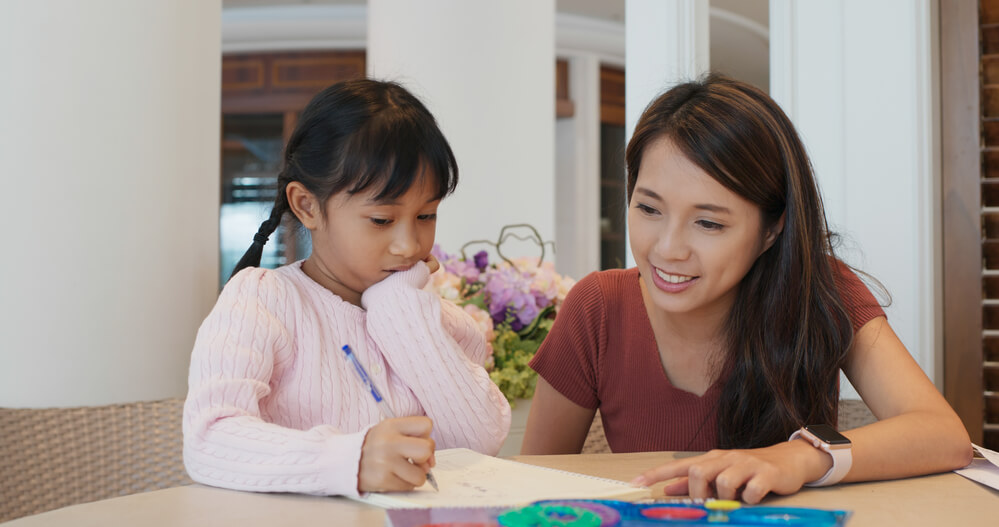
In Singapore, tuition sits somewhere between education and routine. It’s part of weekly life for many families, woven into school schedules, exam preparation, and the quiet pressure to keep up. Over time, tuition teachers become familiar figures. They see your child struggle through a topic, improve gradually, sometimes even gain confidence where there was none before.
So when festive seasons come around, especially Chinese New Year, a small question tends to surface.
Should we give ang bao to tuition teachers?
It’s not something openly discussed, and there’s no standard guide you can point to. Unlike weddings or family gatherings, where ang bao expectations are widely understood, this falls into a more ambiguous space. Some families give, others don’t, and most people make the decision quietly, based on instinct rather than rules.
Still, there are patterns. And once you understand how people in Singapore tend to approach this, the decision becomes easier, and far less awkward.
Is Ang Bao Expected for Tuition Teachers?
The short answer is no, it’s not strictly expected.
Tuition teachers are paid professionals. They charge for their time, their expertise, and the results they deliver. From a purely transactional perspective, there’s no obligation to give anything beyond the agreed fees.
And yet, many families do give ang bao.
That’s where the nuance comes in. It isn’t about obligation, but appreciation. For some parents, it feels natural to extend a festive gesture to someone who has played a meaningful role in their child’s progress. For others, it feels unnecessary, especially if the relationship is more formal.
Both approaches are widely accepted.
Why Some Families Choose to Give
If you speak to parents who regularly give ang bao to tuition teachers, the reasons tend to be similar.
It’s rarely about following a custom. It’s more about acknowledging effort over time.
A good tuition teacher doesn’t just go through worksheets. They adapt to the child, adjust pacing, revisit weak areas, and sometimes manage emotions as much as academics. Over months or even years, that involvement starts to feel personal.
Giving ang bao, in that context, becomes a way of saying thank you. Not in a grand sense, but in a small, thoughtful one.
There’s also the influence of broader cultural habits. In Singapore, ang bao is used to mark relationships that extend beyond immediate family. Teachers, mentors, and service providers sometimes fall into that extended circle, depending on how the relationship develops.
When It Feels More Appropriate
Not every tuition arrangement carries the same weight. The decision to give ang bao often depends on how the relationship has evolved.
If your child has been seeing the same tutor for several years, especially one who has helped them through key exams like PSLE, O-Levels, or A-Levels, the gesture feels more natural. There’s history there, and a sense that the teacher has contributed meaningfully to your child’s journey.
Home tutors also tend to fall into this category more often than large tuition centres. When someone comes into your home regularly, interacts directly with your child, and becomes part of your weekly routine, the relationship tends to feel more personal.
In contrast, if your child attends a large group class at a tuition centre, where interaction is limited and teachers rotate frequently, ang bao is far less common. The setting feels more institutional, and the relationship more distant.
Situations Where It’s Less Common
There are also plenty of scenarios where families choose not to give ang bao, and this is completely normal.
If the tuition arrangement is short-term, perhaps just a few months before exams, the connection may not feel strong enough to warrant a separate gesture.
Similarly, if the interaction with the teacher is minimal, limited to lesson time with little personal engagement, most parents simply stick to paying the agreed fees.
There’s also a practical consideration. With multiple subjects and multiple tutors, giving ang bao to each one can quickly add up. Some families prefer to keep things simple and consistent rather than selectively giving.
Typical Ang Bao Amounts for Tuition Teachers
For those who do give, the amounts tend to be modest.
Most families in Singapore give somewhere between $20 and $80, depending on the closeness of the relationship and the length of time the teacher has been involved.
At the lower end, $20 to $30 is common for casual arrangements or newer tutors. It’s a small but polite gesture, acknowledging the festive season without making it feel overly significant.
For long-term tutors, especially those who have worked closely with the child over several years, amounts between $50 and $80 are more typical. Some families may go slightly higher, particularly if the tutor has played a key role in exam preparation.
There’s no expectation to match tuition fees or calculate a proportion. The amount is symbolic rather than structured.
Does the Occasion Matter?
Most ang bao for tuition teachers is given during Chinese New Year. The timing feels natural, and the cultural context supports it.
Outside of festive periods, ang bao is much less common. If parents want to show appreciation at other times, they usually opt for different gestures, such as a small gift, a thank-you note, or even a simple verbal acknowledgment.
Occasion, in this case, provides a framework. Without it, the gesture can feel less defined.
What About Non-Chinese Teachers?
Singapore’s multicultural setting means that not all tuition teachers observe Chinese New Year, and this sometimes raises questions.
In practice, ang bao is still given across cultural lines, but it’s done with a bit more awareness.
Some parents prefer to frame it simply as a token of appreciation rather than a cultural gesture. Others choose alternatives, like small gifts, if they feel it’s more appropriate.
There’s no strict rule here. The key is sensitivity and a sense of what would feel comfortable for both sides.
Should Students Give It Themselves?
In many cases, parents prepare the ang bao but ask the child to pass it to the teacher.
This small detail matters more than it seems. It turns the gesture into something the student participates in, rather than something handled entirely by the parent.
For older students, especially teenagers, giving the ang bao themselves can also reinforce a sense of appreciation. It becomes less about the envelope and more about acknowledging the teacher directly.
Alternatives to Ang Bao
Not every family is comfortable with giving cash, and that’s perfectly fine.
Some prefer to give small gifts instead. This might be something simple, like snacks, a handwritten card, or a token item during festive periods.
Others express appreciation in more practical ways. A genuine thank-you message at the end of a term, a note after exam results, or even continued engagement over time can carry just as much meaning.
In some cases, consistency itself becomes the gesture. Showing up regularly, respecting the teacher’s time, and maintaining communication are all forms of respect that don’t require an envelope.
How Tuition Teachers Typically View It
From the teacher’s perspective, ang bao is generally seen as a bonus rather than an expectation.
Most professional tutors don’t anticipate it, and many would continue teaching in exactly the same way regardless of whether it’s given.
When it does happen, it’s appreciated, but not assumed.
This is an important point to keep in mind. The gesture doesn’t define the relationship. It simply adds a layer of goodwill where it already exists.
Avoiding Overthinking
Part of the uncertainty around this topic comes from trying to apply structured ang bao logic to a situation that doesn’t require it.
There’s no table rate, no widely accepted benchmark, no social comparison happening behind the scenes. What one family does has little bearing on what another chooses.
Once you step away from the idea of “getting it right,” the decision becomes more straightforward.
If it feels appropriate to you, give. If it doesn’t, don’t.
A Simple Way to Decide
If you’re still unsure, a few questions can help.
How long has the tutor been teaching your child?
How involved are they in your child’s progress?
Does the relationship feel purely transactional, or something more personal?
If the answers lean toward a stronger connection, giving a small ang bao during Chinese New Year is a thoughtful gesture. If not, there’s no need to force it.
Final Thoughts
Ang bao for tuition teachers in Singapore sits in a grey area, shaped more by personal judgment than by tradition. It isn’t expected, and it isn’t necessary, but it can feel appropriate in the right circumstances.
Most families who give do so quietly, without overthinking the amount or the meaning. It’s simply a way of acknowledging someone who has contributed, in their own way, to a child’s growth.
And if you choose not to give, that’s equally acceptable.
In the end, what matters most is the relationship itself, and the respect that comes with it.
Leave a Reply