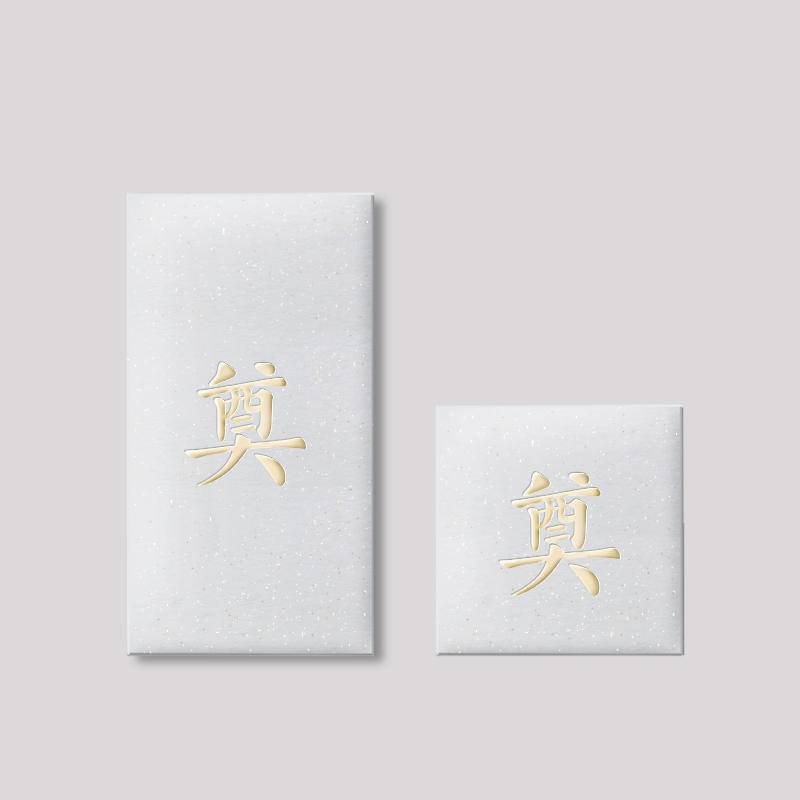
Funerals are one of those moments where social rules feel both important and slightly uncertain at the same time. You want to do the right thing, to show respect, to support the family, but the details can feel unclear. In Singapore, one of the most common questions people quietly ask before attending a wake is this: how much should I put in the white packet?
Unlike weddings, where ang bao conversations are open and even searchable, funeral contributions are handled more quietly. There’s less public discussion, fewer widely shared “rate guides,” and a stronger sense that the gesture should remain respectful rather than transactional. Still, there are patterns. People follow certain ranges, adjust based on relationships, and rely on shared cultural understanding even if it’s rarely spelled out.
To understand what’s appropriate, it helps to start with the meaning behind the white packet itself.
What Is a White Packet and Why Is It Given?
In Singapore, funeral ang bao is often referred to as a “white packet,” sometimes called bai jin (白金). The use of white instead of red reflects the tone of the occasion. White, in Chinese culture, is associated with mourning, remembrance, and the cycle of life and death.
The money inside the packet is not a gift in the celebratory sense. It’s a contribution, both symbolic and practical. Traditionally, it serves to help the bereaved family offset funeral expenses, which can be significant depending on the length of the wake, religious rites, and arrangements.
At the same time, the act of giving carries emotional weight. It signals presence, support, and respect for the deceased. You’re not just handing over money. You’re acknowledging the loss and standing with the family during a difficult period.
Is It Expected to Give a White Packet?
In Singapore, giving a white packet at a funeral wake is generally expected.
When you attend a wake, especially one held over several days, you’ll often see a designated table where guests sign a condolence book and place their white packets. It’s a quiet, orderly process. No announcements, no attention drawn to individual contributions.
If you’re attending, it’s customary to prepare a white packet beforehand. Turning up without one isn’t considered offensive in every situation, especially if you’re very close to the family, but most people prefer to follow the norm to avoid any awkwardness.
For those who are unable to attend, it’s also common to send a white packet through someone else or transfer money digitally, though the latter is still less traditional.
How Much Should You Give?
This is the part most people want clarity on, and understandably so.
Unlike weddings, there is no expectation to “cover your seat” or match a specific cost. Funeral ang bao amounts are typically more modest and more flexible. They reflect your relationship with the deceased or the family rather than any calculated rate.
In general, most people in Singapore give within a range of about $20 to $100.
If you’re attending as a colleague, acquaintance, or distant contact, amounts around $20 to $50 are common. This feels respectful without being excessive.
For closer friends, many people give between $50 and $100. The increase reflects the relationship rather than any obligation.
Family members, or those who are very close to the deceased, may give more. In some cases, immediate relatives contribute significantly higher amounts, but these are often understood within the family context rather than as public benchmarks.
What matters most is that the amount feels sincere and appropriate to your relationship. There’s no expectation to stretch beyond your means, and no one is comparing envelopes.
Why Funeral Ang Bao Is Different from Wedding Ang Bao
It’s worth pausing here, because this is where confusion often arises.
In Singapore, people are used to thinking about ang bao in structured ways, especially for weddings. There’s a kind of informal system, tied to venue costs and social expectations.
Funeral ang bao works differently.
There is no equivalent of a banquet seat. No one expects you to match a per-person cost. The contribution is not about keeping up with a standard. It’s about showing support.
Because of this, the tone is quieter, less calculated, and more grounded in empathy than in social convention.
You’re not trying to get the number “right” in the same way you might for a wedding. You’re simply acknowledging the moment.
Cultural Nuances and Practices
Singapore’s multicultural setting means funeral practices vary depending on religious and cultural traditions, but the idea of giving a white packet is most closely associated with Chinese funerals.
In Taoist or Buddhist wakes, the process is quite structured. Guests arrive, pay their respects, sometimes offer incense or prayers, and place their white packets at the designated table.
Malay and Muslim funerals, on the other hand, do not involve ang bao in the same way. Instead, support may be expressed through donations, food, or other forms of assistance. Indian funerals also follow different customs, where monetary contributions are less central.
So if you’re attending a funeral, it helps to understand the cultural context. The presence or absence of a white packet isn’t universal across all communities.
What About Numbers and Superstitions?
Unlike festive ang bao, where auspicious numbers like 8 are often preferred, funeral white packets tend to avoid strong emphasis on numerology.
That said, some people still follow certain quiet preferences. Even numbers are generally acceptable, while numbers associated with misfortune may be avoided out of habit.
More importantly, the focus isn’t on symbolism in the same way. The meaning of the gesture comes from the act itself, not the number inside.
How to Give a White Packet Properly
There’s a certain quiet etiquette to how white packets are given.
When you arrive at the wake, you’ll usually see a table near the entrance. Someone, often a family member or helper, may be seated there to receive guests.
You sign the condolence book, place your white packet in the designated box or tray, and then proceed to pay your respects. There’s no need to announce the amount or draw attention to it as the process is meant to be discreet.
If you’re unsure what to do, simply observe others. The flow is usually easy to follow.
What to Say When Giving Condolences
Words can feel difficult at funerals. Many people worry about saying the wrong thing, but in reality, simplicity works best.
A quiet “my condolences” or “I’m so sorry for your loss” is enough.
In Chinese, phrases like “节哀顺变” are commonly used, expressing sympathy and encouragement to take care during grief.
The tone matters more than the wording. You’re not expected to give a speech or offer elaborate comfort. Presence itself carries meaning.
Digital White Packets: Are They Acceptable?
With the rise of digital payments in Singapore, some people wonder whether it’s acceptable to send funeral ang bao via PayNow or bank transfer.
While it’s technically possible, it’s still less common than for celebratory occasions like weddings.
Funerals remain more traditional in tone, and many families prefer the physical act of giving a white packet. It aligns with the setting and the rituals involved.
That said, if you’re unable to attend and want to send your contribution, a digital transfer accompanied by a thoughtful message is generally acceptable, especially among younger families.
What Happens to the White Packet?
This is something people rarely ask out loud, but often wonder about.
The money collected from white packets typically goes toward covering funeral expenses. These can include venue setup, ceremonial services, catering, and logistical arrangements.
Any remaining amount may be kept by the family, sometimes used for related expenses or simply as part of the overall support received during that period.
Again, the intention isn’t transactional. The white packet helps ease the financial burden, but its primary role is symbolic.
When You Might Give More
There are moments when people choose to give more than the typical range.
If the deceased was someone very close to you, or if the family is going through a particularly difficult time, a more generous contribution may feel appropriate.
In some cases, close friends or extended family members also contribute in other ways, such as helping with arrangements, providing food, or offering logistical support.
The white packet becomes just one part of a broader expression of care.
Final Thoughts
Funeral ang bao in Singapore sits in a different emotional space from most other forms of giving. It’s quieter, less structured, and less about getting the number right.
There are general ranges, yes. There are shared expectations. But they’re softer, more flexible, and shaped by empathy rather than social pressure.
If you’re unsure how much to give, start with your relationship to the person or family. Choose an amount that feels respectful and comfortable. Prepare the white packet, attend if you can, and offer your condolences sincerely.
That’s really all that’s expected.
Leave a Reply