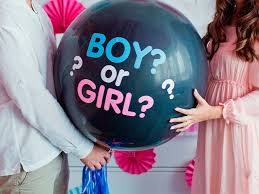
A few years ago, most people in Singapore had never heard of gender reveal parties. Today, they show up regularly on Instagram feeds and WhatsApp group chats. Balloons burst into pink or blue confetti, cakes hide colored fillings, and friends gather to guess whether the baby on the way will be a boy or a girl.
But whenever a new celebration becomes popular, etiquette questions follow close behind. In Singapore, the question often comes down to one familiar tradition: the ang bao.
If you’re invited to a gender reveal party, do you bring a red packet? Is it expected? Or is it completely unnecessary?
The answer, like many etiquette questions, depends on context. Gender reveal parties sit somewhere between Western-style celebrations and Asian gift traditions, which means expectations aren’t always obvious. Understanding how these events work in Singapore makes it easier to decide what’s appropriate.
What Is a Gender Reveal Party?
A gender reveal party is a celebration where expectant parents announce the baby’s gender to friends and family in a creative way.
The reveal itself is usually the highlight. A balloon may pop with colored powder inside. A cake might be cut open to show pink or blue layers. Sometimes the moment involves confetti cannons, smoke bombs, or playful games.
The trend began in the United States and gradually spread through social media. In Singapore, it has become popular among younger couples, especially those influenced by Western lifestyle culture.
Unlike traditional baby showers, gender reveal parties tend to be smaller and more casual. They often take place in cafés, restaurants, or private homes. The focus is less on gifts and more on sharing the excitement of the pregnancy milestone.
The Short Answer: Ang Bao Is Usually Not Expected
In most cases, ang bao is not expected at gender reveal parties in Singapore.
This is the key difference between gender reveals and traditional celebrations like weddings or full-month parties. Weddings have long-established ang bao customs tied to banquet seating and cultural blessings. Gender reveal parties, on the other hand, are relatively new and typically informal.
Guests usually attend simply to celebrate the parents’ happiness and witness the reveal moment.
That means arriving empty-handed is completely acceptable.
Still, cultural habits can influence how people interpret invitations. Some guests feel awkward turning up without bringing something, especially in a society where gifting traditions are deeply ingrained.
To understand the etiquette fully, it helps to look at how gender reveal celebrations fit into Singapore’s broader culture.
Why Ang Bao Isn’t Part of Gender Reveal Tradition
There are several reasons why ang bao isn’t typically associated with gender reveal parties.
First, the event itself is Western in origin. In Western cultures, gender reveal parties usually revolve around food, games, and the reveal moment. Guests aren’t expected to give money or gifts.
Second, Singapore already has several established baby-related celebrations. These include the baby shower, the baby’s full-month celebration, and sometimes a first birthday party. Gifts and ang bao tend to appear during those occasions instead.
Adding ang bao expectations to gender reveal parties would create too many gift-giving milestones around a single pregnancy.
Most people recognize this and treat the event as a casual gathering rather than a formal celebration.
Situations Where Guests Might Still Bring Ang Bao
Even though ang bao isn’t expected, some guests still choose to give one.
This usually happens in certain social situations.
1. Close Family Members
Immediate family members sometimes bring a red packet simply as a gesture of blessing for the baby.
Grandparents, siblings, and close relatives may view the occasion as an early celebration of the child’s arrival. In Chinese culture, giving money to a baby symbolizes prosperity and good fortune.
However, even within families, the ang bao amount is typically small and symbolic.
2. Older Generations Who Follow Traditional Customs
Guests from older generations sometimes feel uncomfortable attending celebrations empty-handed.
In these cases, giving ang bao is less about etiquette rules and more about personal habit. Many people grew up in environments where celebrations were closely tied to red packet traditions.
Rather than showing up without a gift, they may bring a modest envelope simply to convey blessings.
3. When the Party Is Combined With Another Celebration
Occasionally, gender reveal parties overlap with other events.
Some couples combine the reveal with a baby shower or a pregnancy celebration. In those situations, guests may feel more inclined to bring gifts or ang bao because the event has broader meaning.
If the invitation suggests that the gathering is also a baby shower, then gifts become much more common.
What Most Guests Actually Bring
In reality, most people attending gender reveal parties in Singapore bring one of three things.
Some arrive with a small gift for the baby. Others bring food, desserts, or drinks if the party is held at someone’s home. Many guests simply show up and participate in the celebration.
None of these choices would be considered rude.
The parents hosting the event usually care more about sharing the moment than receiving presents.
If You Want to Give Ang Bao, How Much Is Appropriate?
If you decide to give ang bao anyway, the amount does not need to be large.
Since gender reveal parties don’t involve banquet costs or formal traditions, most people keep the amount symbolic.
Common auspicious amounts include $20, $28, $50, or $88.
These numbers are considered lucky in Chinese culture and carry positive meanings associated with prosperity and good fortune.
The goal is simply to offer a blessing for the baby rather than to provide a substantial gift.
Alternative Gifts That Are Often Appreciated
Some guests prefer giving small gifts instead of ang bao.
This approach feels more aligned with the casual nature of gender reveal parties.
Popular gift ideas include baby clothes, soft toys, storybooks, or practical items like bibs and blankets. Parents often appreciate thoughtful gifts that can be used during the baby’s first year.
If you’re unsure what to bring, neutral baby items are usually the safest choice. Since the baby’s gender is about to be revealed, guests sometimes choose gifts in neutral colors like white, beige, or pastel tones.
Another thoughtful option is writing a card with a message for the parents and baby. These notes often become keepsakes that families treasure later on.
The Role of Baby Showers and Full-Month Celebrations
Part of the reason gender reveal etiquette feels confusing in Singapore is because several other baby celebrations already exist.
Traditionally, Chinese families celebrate a baby’s full month, also known as the “满月” celebration. This event marks the baby reaching one month old and historically signaled the child’s survival past the most fragile early stage of life.
Friends and relatives often give ang bao during the full-month celebration.
Baby showers, which have Western roots, are also becoming more common. These gatherings usually involve gifts for the baby rather than red packets.
Because these celebrations already include gifting traditions, many people treat gender reveal parties as the one milestone where gifts are optional.
How Invitations Can Hint at Expectations
Sometimes the invitation itself provides subtle clues about whether gifts are expected.
If the invitation describes the event as a casual gathering, barbecue, or small party, it usually means guests should simply come and enjoy themselves.
If the event resembles a baby shower with games, gift tables, and decorations centered around the baby, then bringing a gift may feel more appropriate.
Many modern invitations also include phrases such as “no gifts necessary.” Couples often add this to reassure guests that the celebration is meant to be relaxed.
Singapore’s Evolving Celebration Culture
Singapore’s social customs often blend traditional Asian values with modern global trends.
Gender reveal parties are a good example of this cultural mix. The concept originated overseas, but once it arrived here, people naturally interpreted it through familiar traditions like ang bao.
Over time, a kind of informal consensus has emerged.
Gender reveals are treated as joyful gatherings rather than formal ceremonies. Friends come together, take photos, share a meal, and celebrate the growing family.
The emphasis stays on the moment rather than the gifts.
What Matters More Than Ang Bao
When people worry about etiquette, they sometimes forget the real purpose of the event.
Expectant parents host gender reveal parties because they’re excited. Pregnancy is a meaningful stage of life, and sharing that excitement with loved ones makes the experience more memorable.
Showing up, cheering during the reveal, and offering sincere congratulations often means far more than any envelope or gift.
Parents tend to remember the laughter, the photos, and the supportive messages long after the party ends.
The Simple Etiquette Rule to Remember
If you’re invited to a gender reveal party in Singapore and wondering about ang bao, keep the rule simple.
You are not expected to give ang bao.
If you feel like bringing a small gift or symbolic red packet, that’s a thoughtful gesture but not an obligation.
Attending the celebration with genuine enthusiasm is already enough.
Final Thoughts
Gender reveal parties are still a relatively new addition to Singapore’s celebration culture, which explains why etiquette around them can feel uncertain.
Fortunately, the expectations are refreshingly relaxed. Unlike weddings or banquet celebrations, there’s no established ang bao formula and no social pressure to calculate the right amount.
Think of the event as a gathering of friends rather than a formal ceremony.
Come ready to celebrate, enjoy the moment when the big reveal happens, and share your excitement for the parents-to-be.
Everything else is optional.
Leave a Reply